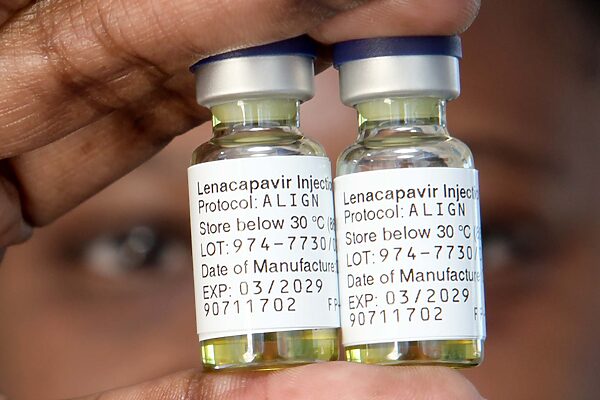
With over 3 600 Western Cape users, lenacapavir is “cool”
From counselling about small nodules to overcoming people’s fears of needles, Biénne Huisman takes the pulse of a new HIV prevention injection’s rollout in the Western Cape.

From counselling about small nodules to overcoming people’s fears of needles, Biénne Huisman takes the pulse of a new HIV prevention injection’s rollout in the Western Cape.
In March 2024, a pivotal clinical trial was launched to evaluate what might well become the first new tuberculosis vaccine on the market in more than a century. As anticipation mounts for the trial to deliver results, Russell Rensburg argues that we need to start preparing for a rollout of the jab, but that we should think of preparation more widely than just the technicalities of regulatory approval and drug supply.

Ten months after an enabling court judgment, some pharmacists in South Africa can finally start applying for permits that allows them to dispense HIV prevention pills without a script from a doctor. Catherine Tomlinson reports.
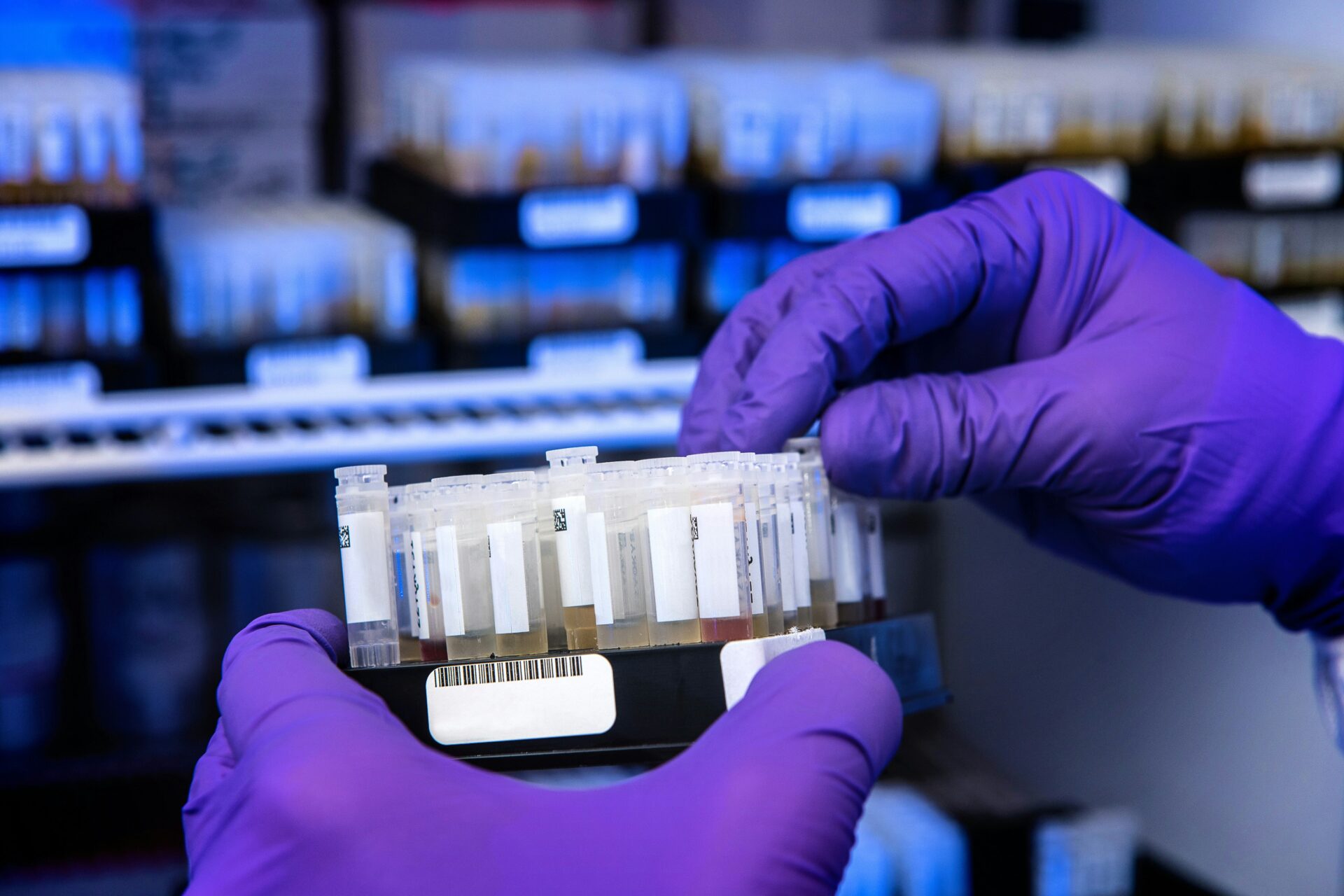
The United States National Institutes of Health has lifted its ban nearly 18 months after an order to stop work with South Africa. The funding ban created a crisis for HIV and TB research, including NIH grants and US Agency for International Development aid. Many of the world’s major advances over the past two decades in understanding the science of HIV arose from South African scientists and from studies conducted here, the vast majority of them funded by the NIH.
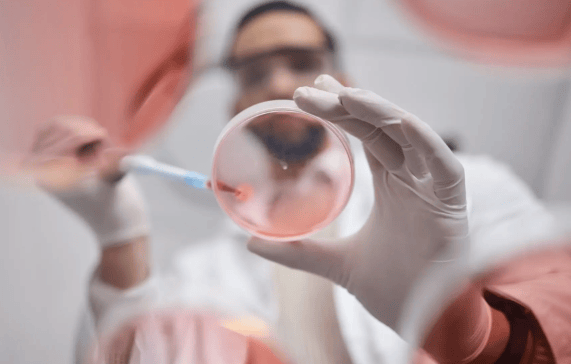
HIV is known for its ability to outsmart our immune system’s normal defences. A small number of people living with HIV are however able to generate more effective immune responses to HIV. In this special briefing, Catherine Tomlinson zooms in on broadly neutralising antibodies, the secret sauce in these immune responses.
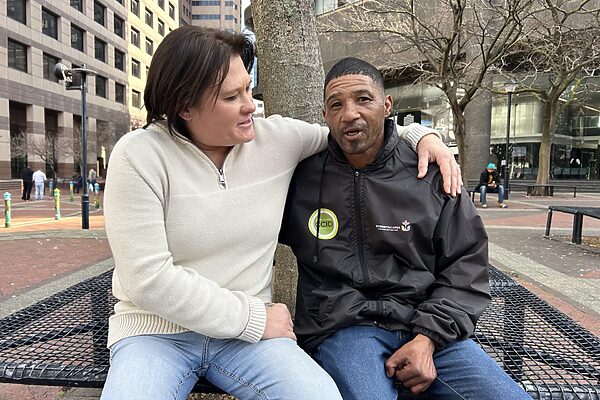
With glimmers of tenderness beneath a stoic façade, Tara Gerardy-Bissolati tells Biénne Huisman about her struggle to beat opioids, why homelessness is a public health issue, and her commitment to bring hope to people living rough in central Cape Town.
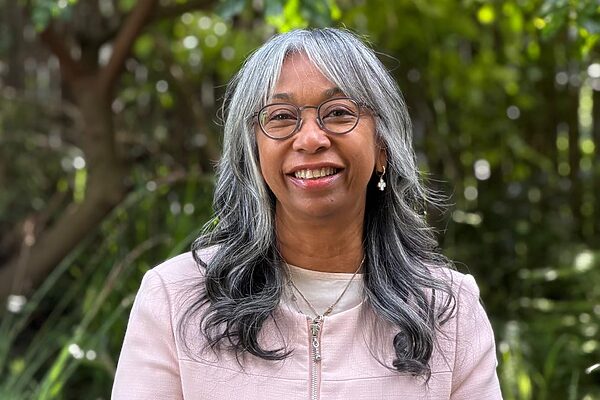
Long before she became a pioneering scientist, Professor Liesl Zühlke insisted on seeing her tonsils after they were removed when she was just five years old. Today, paediatric cardiology is close to her heart, and her research has helped answer critical questions in the entire pipeline of heart disease.

The regulation of complementary and alternative medicines in South Africa has been hotly contested in recent decades, including in court rooms. In his latest column for Spotlight, Dr Andy Gray unpacks the legal background and the current state of this still unfolding regulatory saga.

High-octane executive force Marlene le Roux tells Biénne Huisman about contracting polio when she was three months old, about not dimming her light, and renovations that made the Artscape Theatre Centre in Cape Town one of South Africa’s most accessible public spaces.
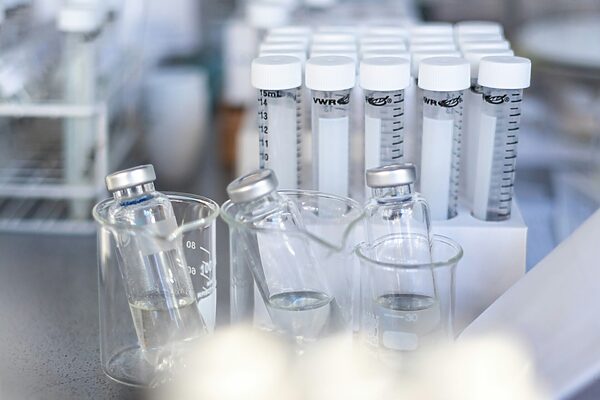
From inspecting spaza shops to monitoring water quality, Environmental Health Practitioners help prevent disease before outbreaks occur. A Public Protector investigation reveals why Gauteng municipalities are struggling to deliver these essential public health services. The investigation also helps clarify what will be at stake in South Africa’s local government elections in November. Christina Pitt reports.
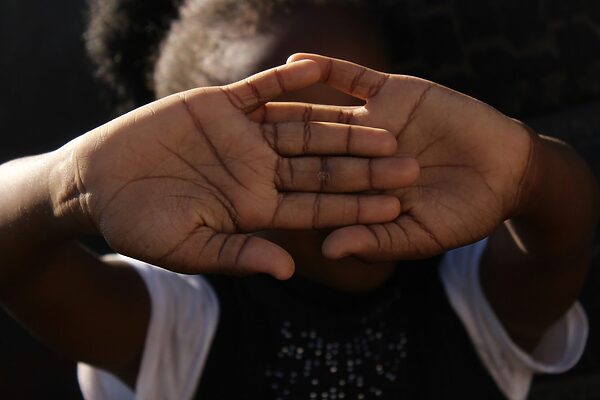
Every three minutes, a child with a cleft lip or cleft palate is born somewhere in the world. While surgery can repair this, Kholofelo Mphahlele argues that the real measure of success is a culmination of a very long journey that plays out in classrooms, on playgrounds, when photographs are taken, and within communities and workplaces.
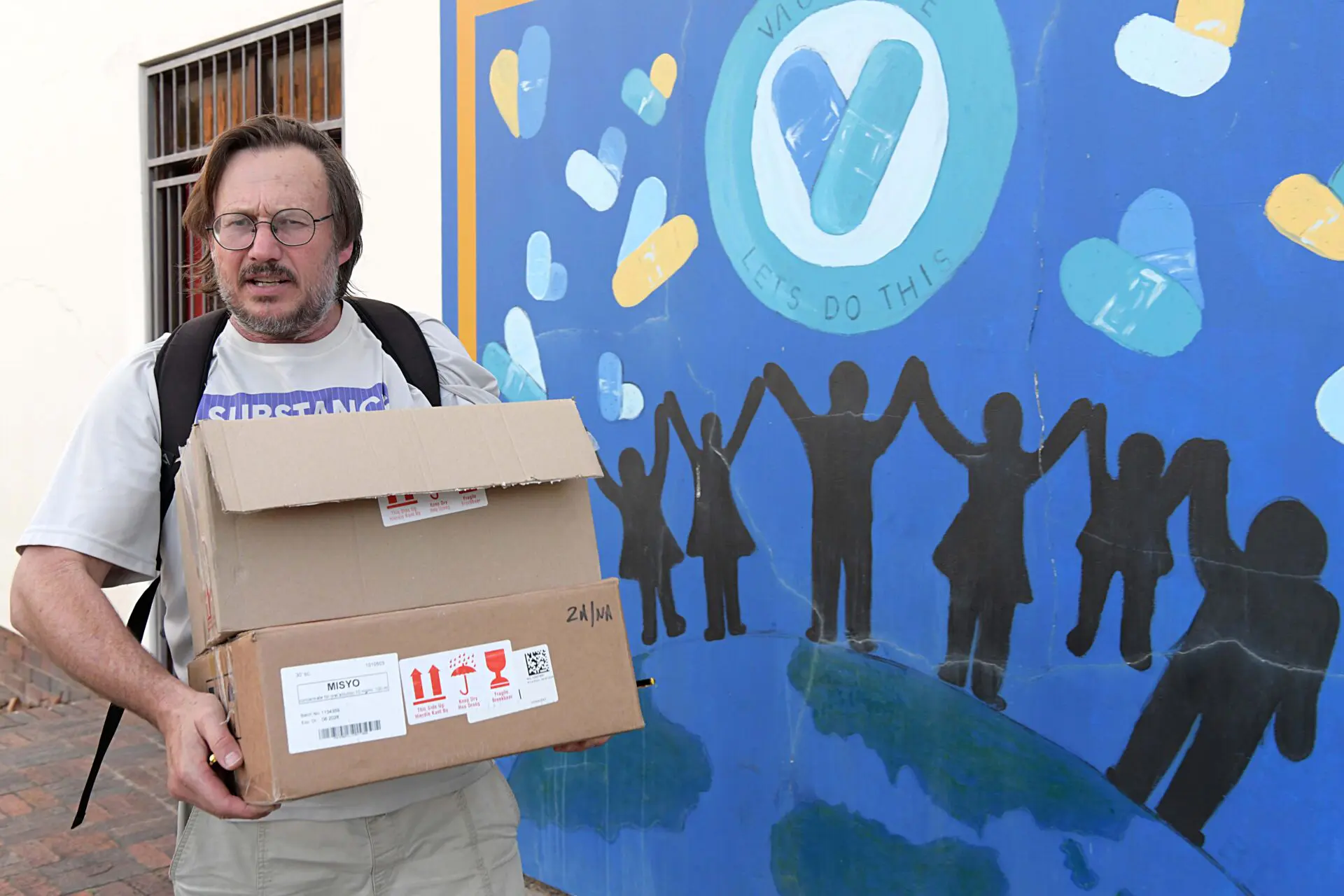
Dr Hermann Reuter did pioneering work treating HIV in the early 2000s in Cape Town and in the rural Eastern Cape. Today, his focus is substance abuse, which he believes is the country’s biggest health issue after HIV. Sue Segar spent time with him to learn about his work in the Garden Route city of George.