Menopause in SA: Women want answers, not ‘old granny’ labels
Across the country’s townships and rural clinics, women are breaking inherited silences to redefine reproductive ageing on their own terms. Joan van Dyk reports.

Across the country’s townships and rural clinics, women are breaking inherited silences to redefine reproductive ageing on their own terms. Joan van Dyk reports.

Twenty of this year’s 26 confirmed mpox cases came after August, concentrated mostly within the Western Cape. Elri Voigt looks at how the virus has changed and how much of the donated vaccine is left.

Dr Liezl du Plessis tells Biénne Huisman about the public sector paediatric oncology unit she established in Kimberley, and how a broken system forced her to abandon this dream. She now pursues her passion treating children and teenagers in Pretoria’s private sector.

South Africa’s health department should assess the inclusion of boys in its public human papillomavirus vaccination programme. This assessment, argues Professor Colleen Aldous, should account for the protection boys could gain, the cost of delivering it, and the work still required to reach girls who miss vaccination and women who need cervical screening and treatment.
The two key goals in managing the HIV epidemic are getting as many people with the virus as possible onto ARV treatment and reducing the number of new infections. The results of a study from KZN, published in The Lancet HIV, suggest we’re stalling on the prevention front. The study is well done and important, but the situation may not be as bleak as the authors suggest.
South Africa’s public healthcare system finds itself caught between two incomplete revolutions – the democratic dream of a decentralised District Health System, and the march toward National Health Insurance. Health systems experts argue that structural changes won’t save a system that is scared stiff. The most urgent task facing the system, they say, is to help frontline doctors and nurses reimagine what is possible.
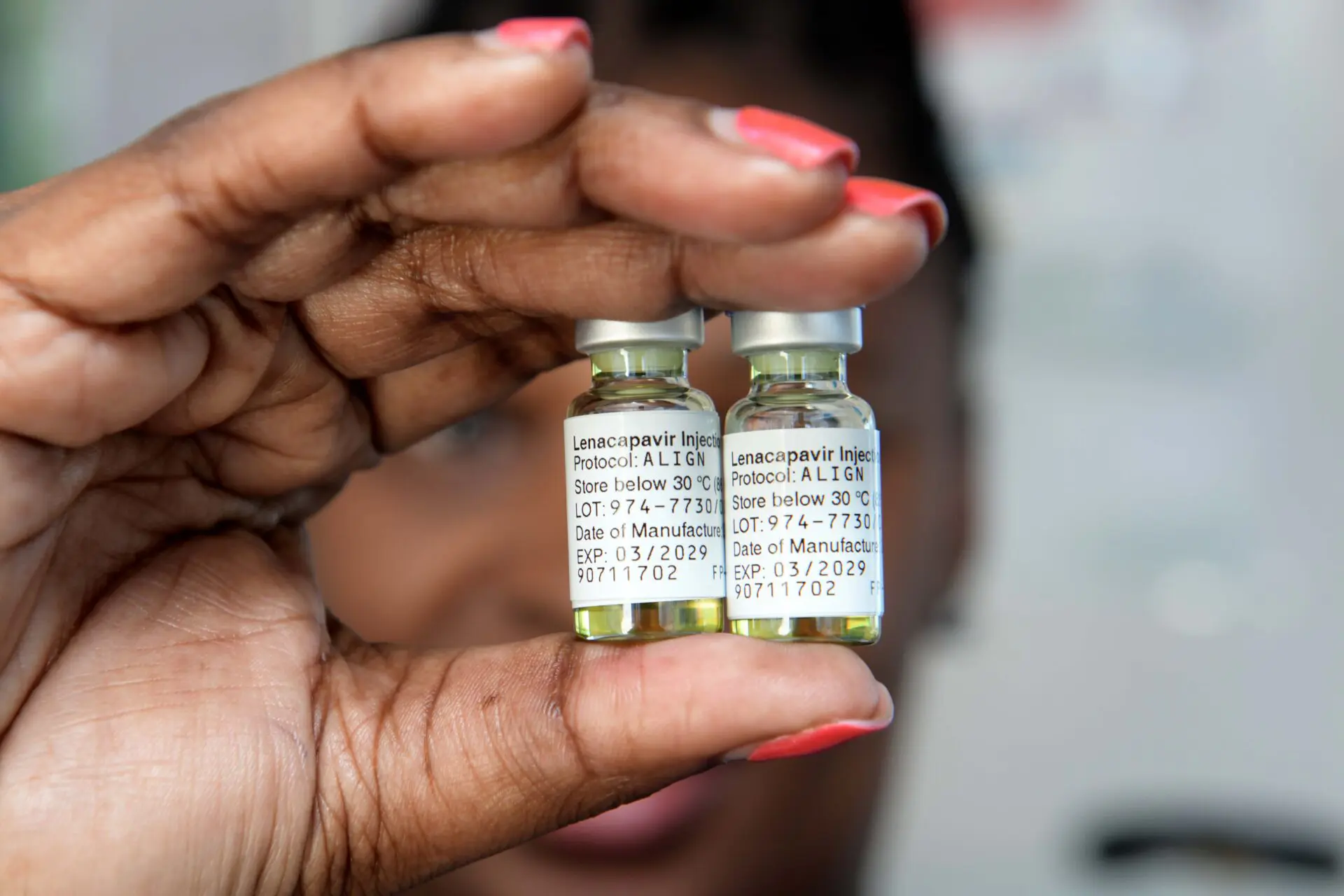
South Africa’s rollout of lenacapavir, a six-monthly HIV prevention injection, requires nurses to learn, adapt and find ways to make it work for patients. Christina Pitt unpacks how.

South Africa has a healthcare worker crisis. Those in power need to face it and think bigger about how to address it, argues Spotlight editor Marcus Low.

As South Africa is piecing together a new policy document on palliative care services for people with life-limiting and life-threatening illness, Motlalentoa Motsoane argues that making people’s lives better will depend on details like accurate costing, sufficient funding, and effective referral systems.
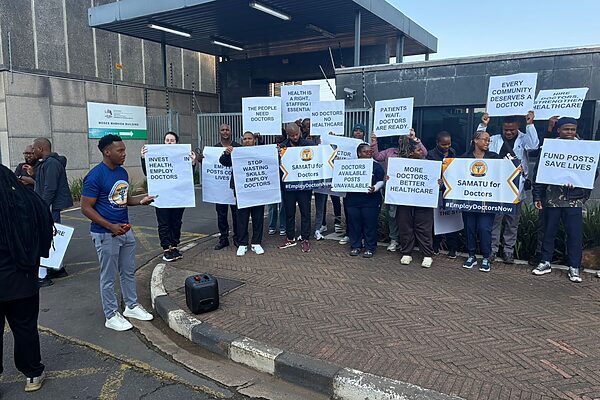
They are qualified, ready, and willing to serve their communities. But scores of these doctors in KwaZulu-Natal, are becoming increasingly desperate because of a lack of posts in government hospitals and clinics. Sue Segar reports.
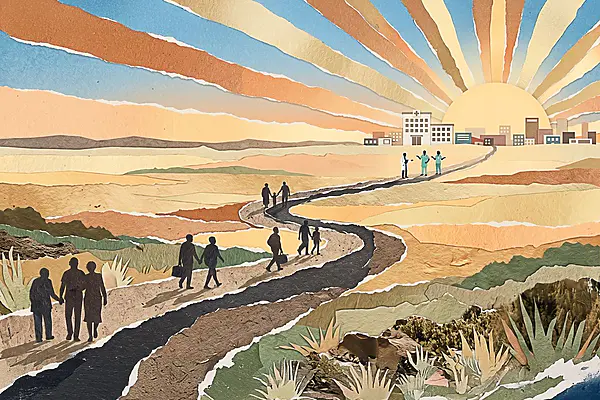
The road to cancer treatment in South Africa often involves many encounters with healthcare workers and long journeys far from home. From pink iPhone covers to pink embroidery yarn, and cornstarch, Biénne Huisman hears the stories of people from vast corners of inland South Africa, and beyond, who travelled to Bloemfontein for specialist medical attention to treat their cancer. This is part 4 of Daily Maverick and Spotlight’s special series on cancer in South Africa.

In South Africa, tuberculosis is mainly diagnosed and treated in the public healthcare system. On paper, the private sector should also be able to deal with it, but in reality, TB care in this sector is often fragmented and confusing. Elri Voigt asks local experts why things work like this and what can be done about it.