
antiretroviral treatment

antiretroviral treatment

Interactive Data Dashboards

Track the HIV & TB response

Key indicators, province breakdowns and downloadable graphs.

  • A new study suggests HIV prevention has stalled. But there may be a silver lining

    The two key goals in managing the HIV epidemic are getting as many people with the virus as possible onto ARV treatment and reducing the number of new infections. The results of a study from KZN, published in The Lancet HIV, suggest we’re stalling on the prevention front. The study is well done and important,…

    ·

  • Switch to six-month ARV supplies running behind schedule

    By March 2027, the health department aims to have 1.5 million people living with HIV on a new programme where they can get a six-month supply of antiretroviral medicines at a time. Early indications suggest that implementation of the programme is slow and uneven, reports Christina Pitt.

    ·

  • Graphs that paint the picture of HIV in SA

    Eight million people living with HIV. Just over 6 million on treatment. Behind these big numbers lurk a universe of fascinating epidemiological dynamics. In this special briefing, Spotlight editor Marcus Low unpacks what we know about the state of HIV in South Africa.

    ·

  • US funding cuts imperil search for HIV vaccine

    A groundbreaking project to study potential HIV vaccines in several African countries has been derailed by an abrupt cut in funding from the United States government. As a result, several promising vaccine candidates might not be tested in clinical trials. Catherine Tomlinson reports.

    ·

  • Where are we in the search for an HIV cure?

    Highly effective treatments for HIV have existed since the mid-1990s. But while these treatments keep people healthy, we do not yet have a safe and scalable way to completely rid the body of the virus. In this Spotlight special briefing, Elri Voigt takes stock of where we are in the decades-long search for an HIV…

    ·

  • What is behind the Western Cape’s low PrEP numbers?

    It is estimated that in 2021, around 0.3% of sexually active people in the Western Cape were taking antiretroviral medicines to prevent HIV infection. This is substantially lower than the national estimate of 1%. Elsabé Brits asks why uptake in the Western Cape is lagging behind most other provinces.

    ·

  • Experts welcome new HIV treatments for kids

    New child-friendly formulations of several important antiretroviral medicines were recently approved by the South African Health Products Regulatory Authority. Thabo Molelekwa asks what this means for children living with HIV in South Africa and how long it will take for these medicines to become widely available.

    ·

  • Study suggests potential role for bnAbs in treating kids living with HIV

    Broadly neutralising antibodies (bnAbs) are one of the most active and exciting areas in HIV research. Last year Spotlight reported on a “proof of concept” study showing that a specific bnAb can successfully prevent infection with certain strains of HIV. Now, we also have intriguing findings suggesting that bnAbs may have a role to play…

    ·

  • HIV incidence in South Africa has halved since 2010

    A new study has analysed the change in the rate of new HIV infections from 2010 to 2019 and found that HIV incidence in South Africa has halved since 2010. This is mainly due to antiretroviral treatment and condom promotion, but male medical circumcision and behaviour change after HIV diagnosis had a role too, writes…

    ·

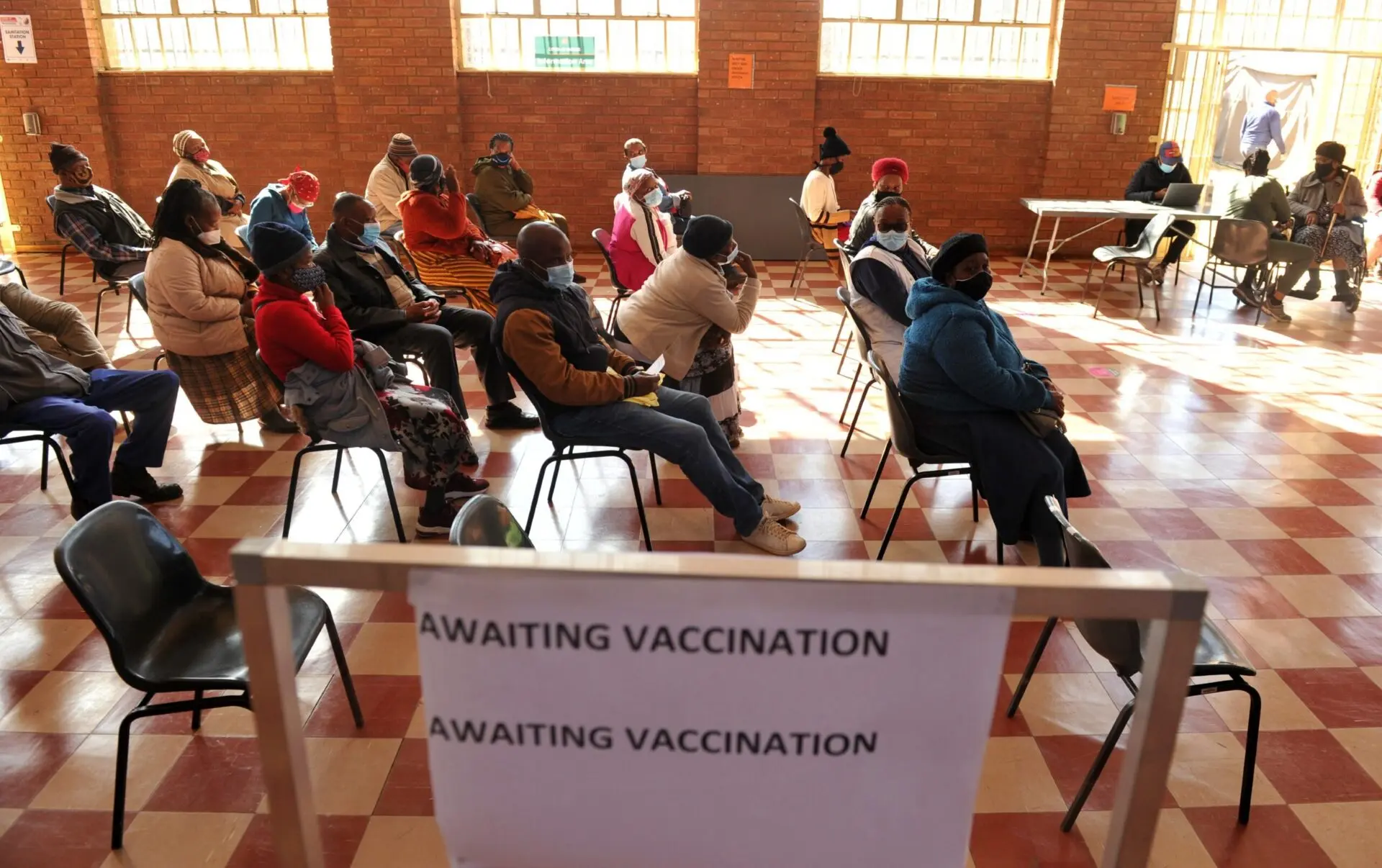
  • How to capitalise on the opportunity of COVID-19 vaccination sites

    To combat COVID-19, our country has been able to move millions of people through vaccination sites each month, creating a potential ‘one-stop shop’ for vital health check-ups. In this, healthcare workers have an unprecedented opportunity to reach people they may not otherwise have access to, such as those living with HIV, writes Dhirisha Naidoo.

    ·

  • Unpacking the link between HIV and mental health

    Studies show that people living with HIV are often at a higher risk for depression and anxiety, including a higher risk of suicide. Tiyese Jeranji spoke to mental health practitioners, activists, and people living with HIV to unpack the link between HIV and mental health.

    ·

  • HIV prevention injection should be fast-tracked like COVID-19 vaccines

    Findings of two large phase III clinical trials first presented in 2020 showed a new HIV prevention injection to be highly effective. Yet, experts expect that the injection will only reach clinics in late 2022 or early 2023. If the rhetoric about bringing the urgency of COVID-19 to HIV is to mean anything, these timelines…

    ·