
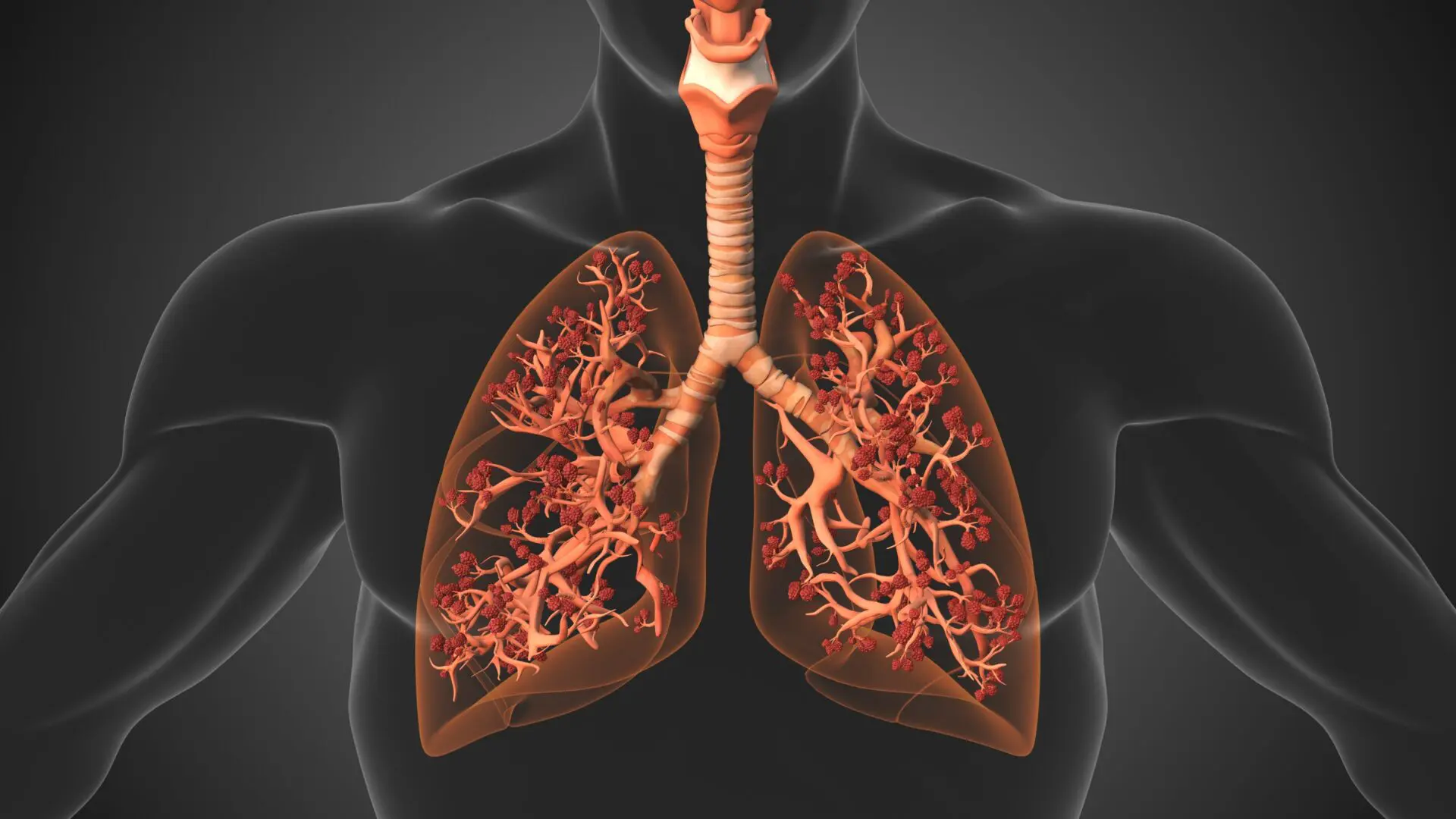
TB killed 53 000 people in SA in 2025, finds WHO
The number of people falling ill with TB in South Africa is declining year-on-year, but the number of deaths due to the disease remains stubbornly high. Marcus Low reports on the latest statistics.
·
Interactive Data Dashboards
Live indicators, province breakdowns and downloadable data.
The number of people falling ill with TB in South Africa is declining year-on-year, but the number of deaths due to the disease remains stubbornly high. Marcus Low reports on the latest statistics.
·
With El Niño conditions expected to bring a hotter, drier summer, Spotlight asks whether the KwaZulu-Natal government is ready to keep health services running and protect vulnerable communities during the extreme weather that may be on the way. Christina Pitt reports.
·
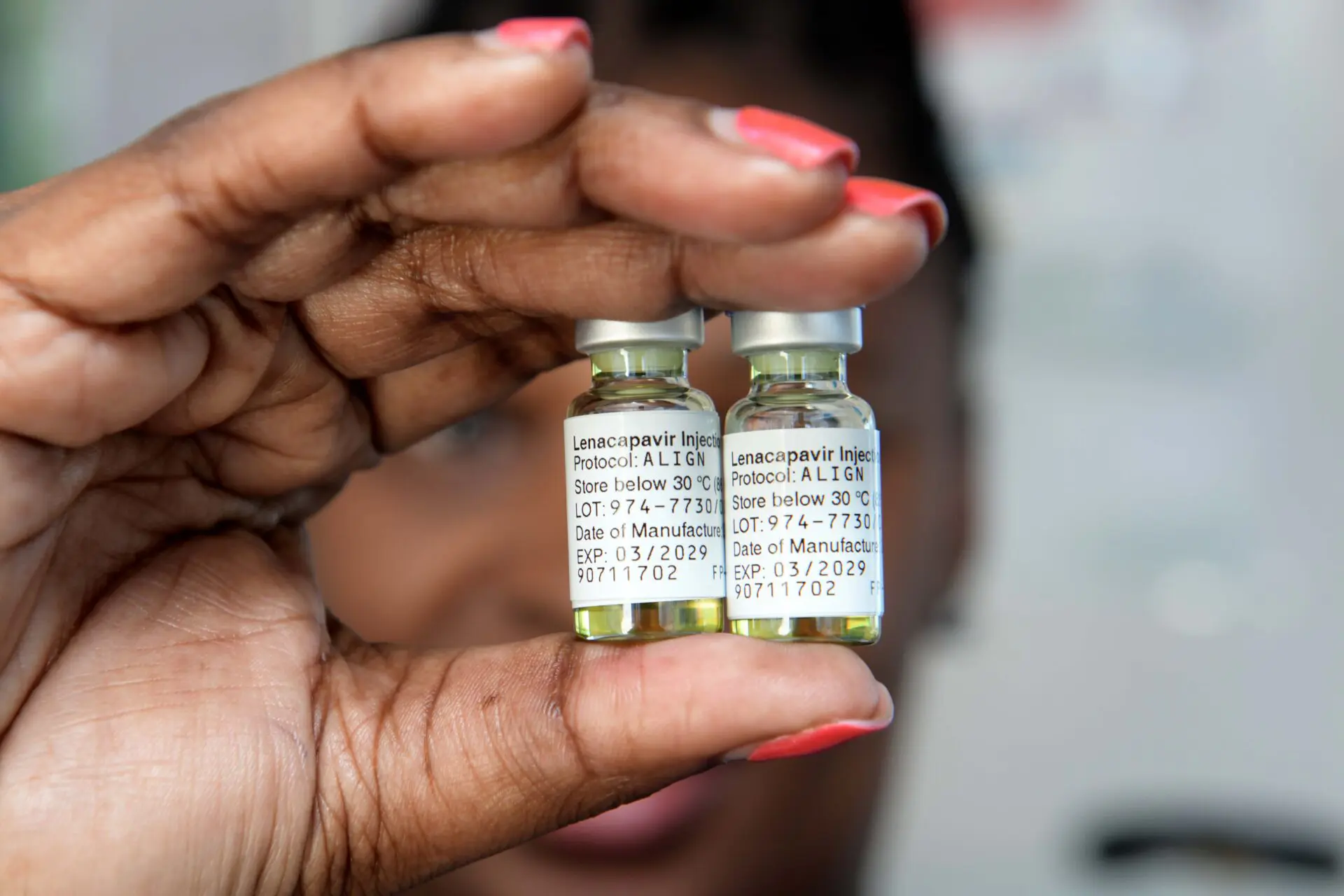
On June 5 2026, an HIV prevention injection will for the first time become available at some of South Africa’s public sector clinics. In this Spotlight special briefing, Marcus Low and Elri Voigt pull together all you need to know about this “breakthrough” jab.
·
Although TB can be cured, it is still spreading in South Africa at alarming rates. One reason could be that some people with TB disease but without TB symptoms may unknowingly be passing on the bug. In this Spotlight special briefing, Elri Voigt unpacks what we do and do not know about asymptomatic TB.
·
It is estimated that around half a million people living with HIV in South Africa don’t know they are living with the virus. One way to help these people is by offering them the means to test themselves in the privacy of their own homes. As Catherine Tomlinson explains in this Spotlight special briefing, such…
·
Childhood immunisation programmes have saved many millions of lives and prevented much suffering. Yet, immunisation programmes have lost momentum over the last decade or so. In this Spotlight special briefing, Elri Voigt unpacks the available data and considers how immunisation efforts might be revitalised.
·
TB can be cured, but ridding the body of the bug often takes many months and usually requires taking four or more different medicines. In this Spotlight special briefing, Elri Voigt zooms in on what makes the TB bacterium so hard to beat.
·
Eight million people living with HIV. Just over 6 million on treatment. Behind these big numbers lurk a universe of fascinating epidemiological dynamics. In this special briefing, Spotlight editor Marcus Low unpacks what we know about the state of HIV in South Africa.
·
Over the last decade, it has become clear that South Africa’s progress against TB depends on diagnosing more people more quickly. In this Spotlight special briefing, Marcus Low asks how we can best go about it.
·
Highly effective treatments for HIV have existed since the mid-1990s. But while these treatments keep people healthy, we do not yet have a safe and scalable way to completely rid the body of the virus. In this Spotlight special briefing, Elri Voigt takes stock of where we are in the decades-long search for an HIV…
·
As health department officials move to set up National Health Insurance’s basic structures, including its board, several experts say the scheme remains a pipe-dream, doomed to the same fate as Gauteng’s aborted e-tolls project. In this Spotlight special briefing, Jesse Copelyn outlines three possible scenarios for how NHI might pan out over the coming years.
·
With varying degrees of success, artificial intelligence has begun to play the role of research assistant, radiologist, health educator, and even therapist. In this Spotlight special briefing, Jesse Copelyn tries to see past the hype and pin-points the most immediate implications of these new technologies for healthcare in South Africa.
·
The South African government has adopted a national target to bring the blood sugar levels of people with diabetes under control. But beyond the target, the country’s response to diabetes is falling far short. In this Spotlight special briefing, Catherine Tomlinson looks at what the country needs to do to better manage this often fatal…
·
HIV prevention injections have been registered for use in South Africa, but their high price and limited supply means that for the next few years, while awaiting more affordable generics, very few people will be able to get the jabs. In this Spotlight special briefing, Catherine Tomlinson looks at the difficult choices facing the country…
·
Diabetes is the second leading cause of death in South Africa after tuberculosis, according to Statistics South Africa. It is the leading cause of death in women. Yet, despite being a major driver of deaths and illness, we do not have a clear picture of how many people in the country have diabetes or how…
·
Across the country’s townships and rural clinics, women are breaking inherited silences to redefine reproductive ageing on their own terms. Joan van Dyk reports.
·
Twenty of this year’s 26 confirmed mpox cases came after August, concentrated mostly within the Western Cape. Elri Voigt looks at how the virus has changed and how much of the donated vaccine is left.
·
Dr Liezl du Plessis tells Biénne Huisman about the public sector paediatric oncology unit she established in Kimberley, and how a broken system forced her to abandon this dream. She now pursues her passion treating children and teenagers in Pretoria’s private sector.
·
South Africa’s health department should assess the inclusion of boys in its public human papillomavirus vaccination programme. This assessment, argues Professor Colleen Aldous, should account for the protection boys could gain, the cost of delivering it, and the work still required to reach girls who miss vaccination and women who need cervical screening and treatment.
·
The two key goals in managing the HIV epidemic are getting as many people with the virus as possible onto ARV treatment and reducing the number of new infections. The results of a study from KZN, published in The Lancet HIV, suggest we’re stalling on the prevention front. The study is well done and important,…
·
South Africa’s public healthcare system finds itself caught between two incomplete revolutions – the democratic dream of a decentralised District Health System, and the march toward National Health Insurance. Health systems experts argue that structural changes won’t save a system that is scared stiff. The most urgent task facing the system, they say, is to…
·
South Africa’s rollout of lenacapavir, a six-monthly HIV prevention injection, requires nurses to learn, adapt and find ways to make it work for patients. Christina Pitt unpacks how.
·
South Africa has a healthcare worker crisis. Those in power need to face it and think bigger about how to address it, argues Spotlight editor Marcus Low.
·
As South Africa is piecing together a new policy document on palliative care services for people with life-limiting and life-threatening illness, Motlalentoa Motsoane argues that making people’s lives better will depend on details like accurate costing, sufficient funding, and effective referral systems.
·
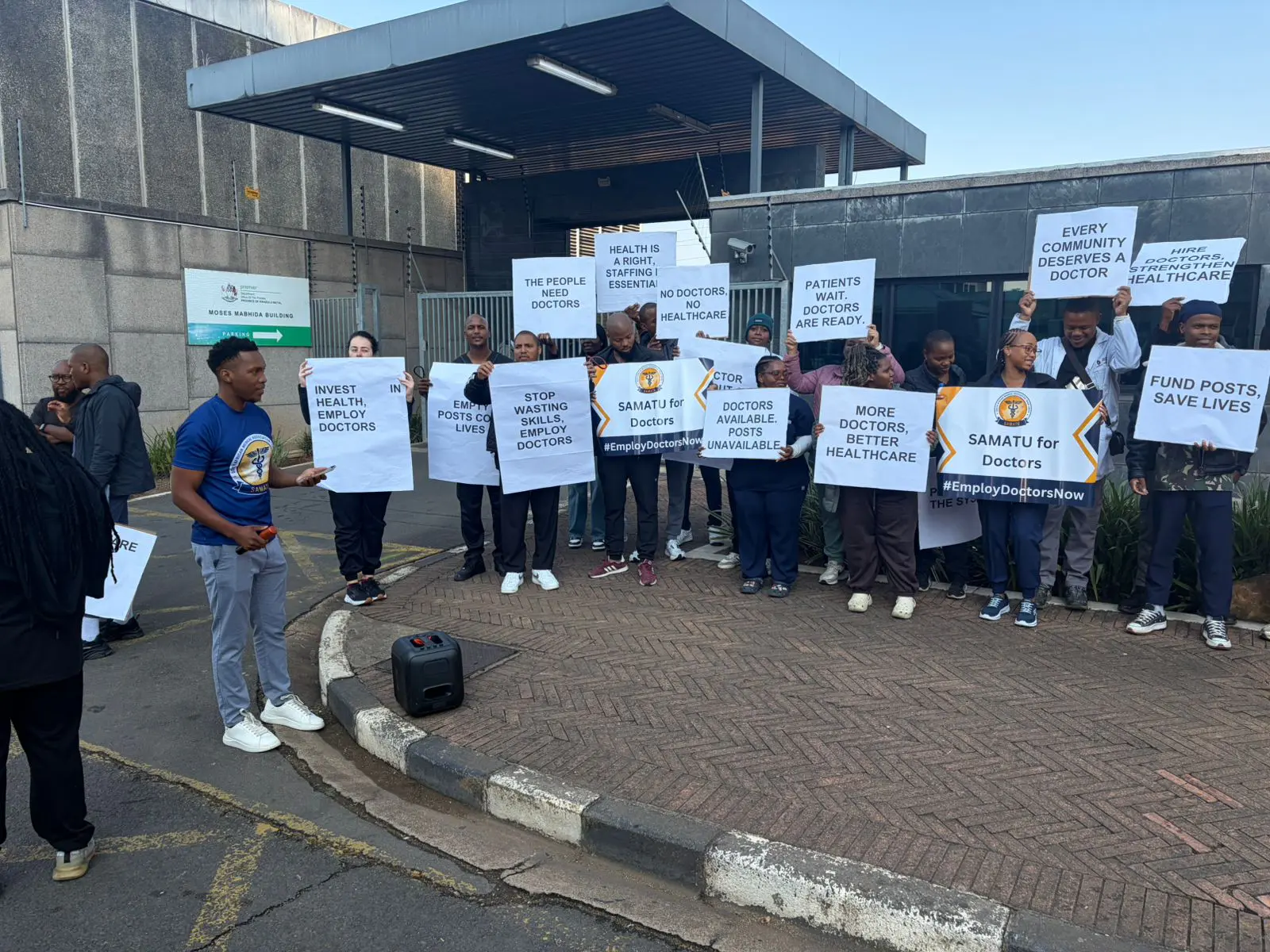
They are qualified, ready, and willing to serve their communities. But scores of these doctors in KwaZulu-Natal, are becoming increasingly desperate because of a lack of posts in government hospitals and clinics. Sue Segar reports.
·