
This world-class SA scientist used to cut up her dolls and perform imaginary surgeries
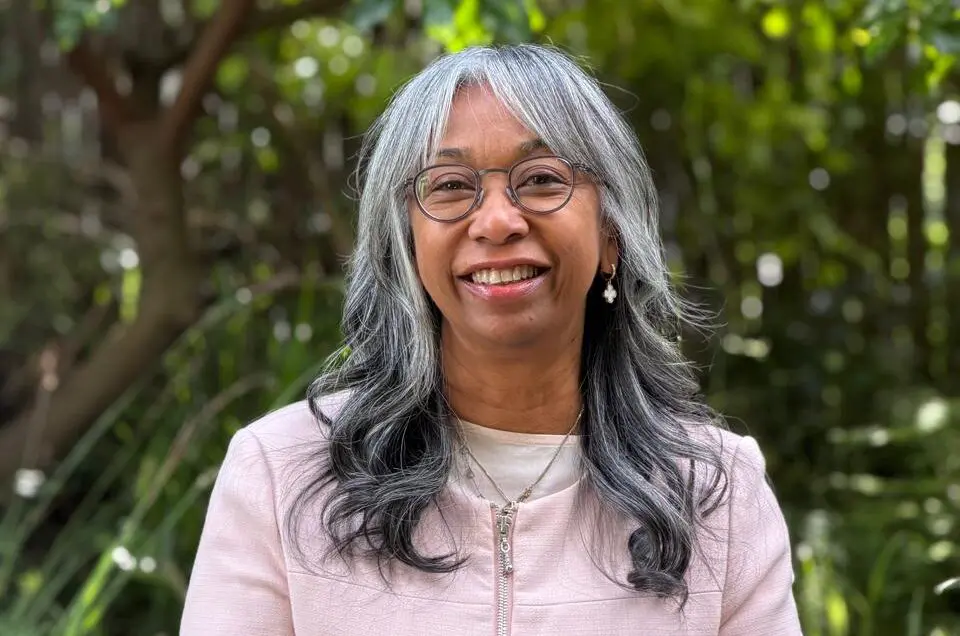 UCT’s Professor Liesl Zühlke has won a global women in science award for her groundbreaking work to improve care for children with cardiovascular disease. (Photo: Supplied)
Long before she became a pioneering scientist, Professor Liesl Zühlke insisted on seeing her tonsils after they were removed when she was just five years old. Today, paediatric cardiology is close to her heart, and her research has helped answer critical questions in the entire pipeline of heart disease.
In the mid-2000s, while working as a trainee in paediatric cardiology at the Red Cross War Memorial Children’s Hospital, Liesl Zühlke helped treat a 12-year-old patient who had an unusual congenital heart condition.
“His heart was so weak that he was dying,” she says. “He was thin, short of breath and very tired. He’d had multiple admissions to hospital and numerous health folders, tied together with elastic. On the front of his folder, the letters DNR (meaning do not resuscitate) were written in black khoki-pen.”
Zühlke recalls requesting an ultrasound of the heart, among other tests that eventually led to a diagnosis of a coronary artery anomaly. “This is a structural heart defect, present at birth, where the major coronary artery supplying the heart itself has the wrong origin, resulting in oxygen-poor blood supplying the heart muscle, causing it to die,” she explains. (See this Cleveland Clinic page for more on the condition.)
Fortunately, the defect is treatable with cardiac surgery to move the coronary artery to the correct place. Within a year of having this operation, the boy’s heart function had returned to normal.
A journey to research
This encounter was something of a turning point in Zühlke’s life. Till then, she’d only done clinical work, but the case piqued her interest in this particular lesion.
This experience, she says, was a lesson in looking beyond the obvious, re-examining a patient with a fresh approach, and asking new questions. “By thinking differently, we changed the trajectory of his life and many others.”
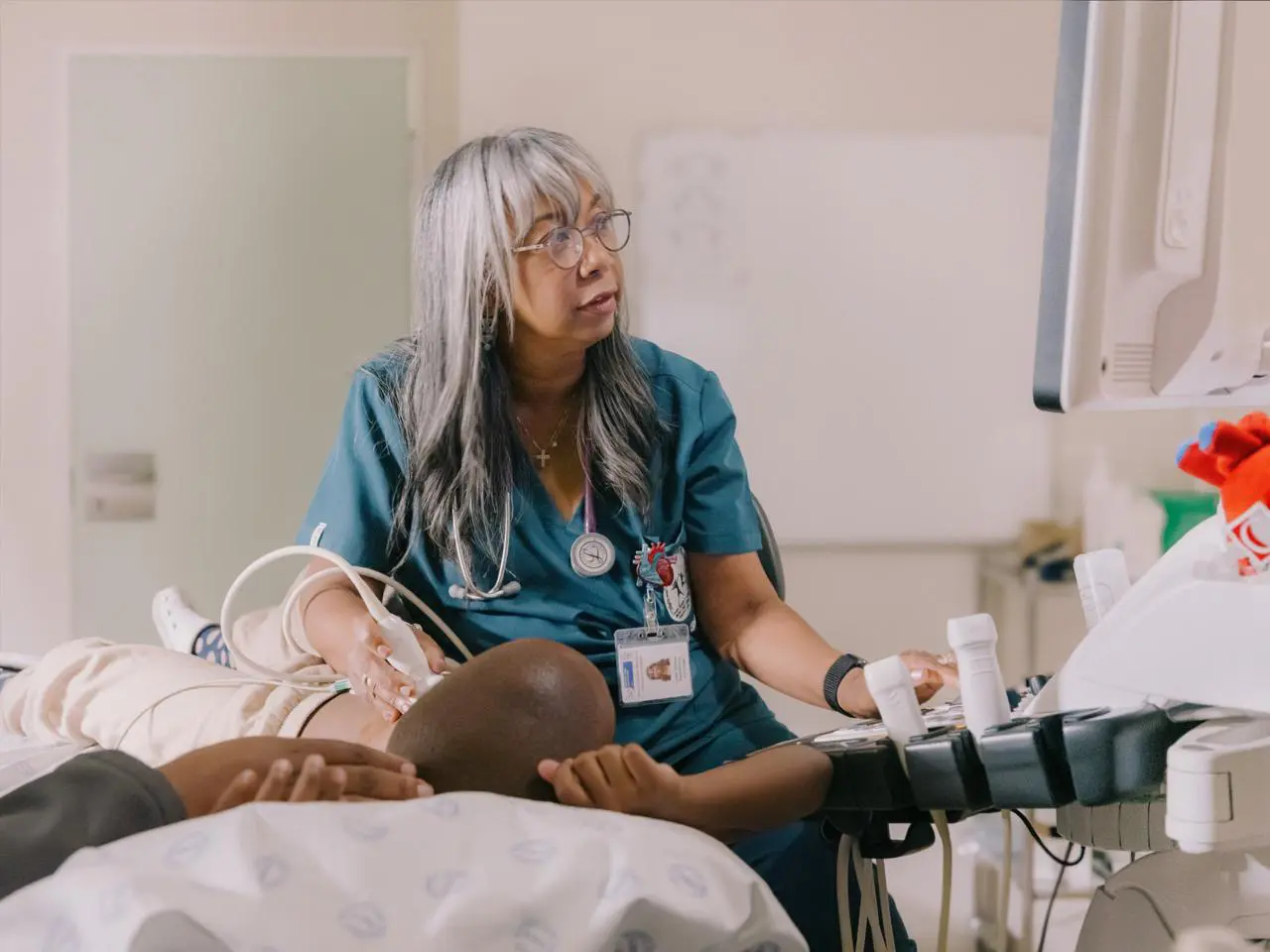
Zühlke did a small study looking at 30 cases of this lesion, and found it was more common than thought. “Our work led us to being able to diagnose this condition much earlier, before heart damage could happen, and children with the lesion could get surgery earlier. It made me realise why research and evidence-based medicine are so important … if one wants to impact not just the patient in front of you but multiple patients.”
A lifetime steeped in medicine
Zühlke, who was born and raised in Athlone, Cape Town, was from childhood fascinated about the inner workings of the human body.
“My siblings remember me cutting up my dolls and doing transplants with pieces of chicken,” she recalls with amusement.
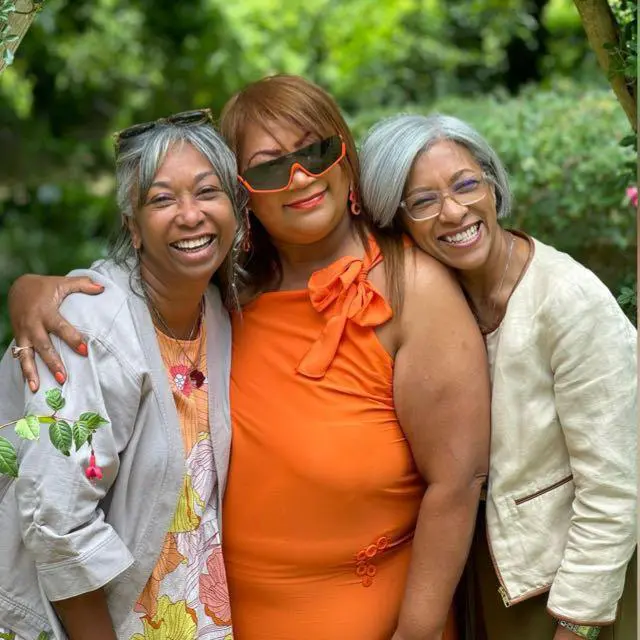
When she had her tonsils removed at a tender five years old, she insisted on seeing the fleshy lymph node masses.
“My grandmother worked as a domestic worker in a residence at the University of Cape Town (UCT) and told us stories about students and what was happening there. Apparently, from when I was three or four, I said I wanted to study medicine,” says Zühlke.
It thus came as no surprise that she ended up studying medicine and surgery at the UCT. In 2015, she completed her PhD on the outcomes of asymptomatic and symptomatic rheumatic heart disease, which was supervised by the late Professor of Cardiology Bongani Mayosi. She calls him her “academic father” and “the man who saw something in me that I didn’t”.
In 2019, Zühlke was the first woman in South Africa to be appointed as a full professor in paediatric cardiology.
“It was always going to be paediatrics,” she says, adding “there was always a kid on my hip during ward rounds. With children, it’s not about status but about caring, and meeting them at their level.”
Losing patients, Zühlke says, is part of any doctor’s experience, “but it’s terrible telling a mother their child hasn’t got a normal heart and that there’s a possibility of death. To do that with compassion … is what we’re put in this world for.”
She says while her work started with research into rheumatic heart disease, her focus later evolved. “I started looking more at the reasons why we have the outcomes we do; the overarching determinants of why people are diagnosed late, why they don’t have enough treatment, and enough surgery; and why they have poorer outcomes.”
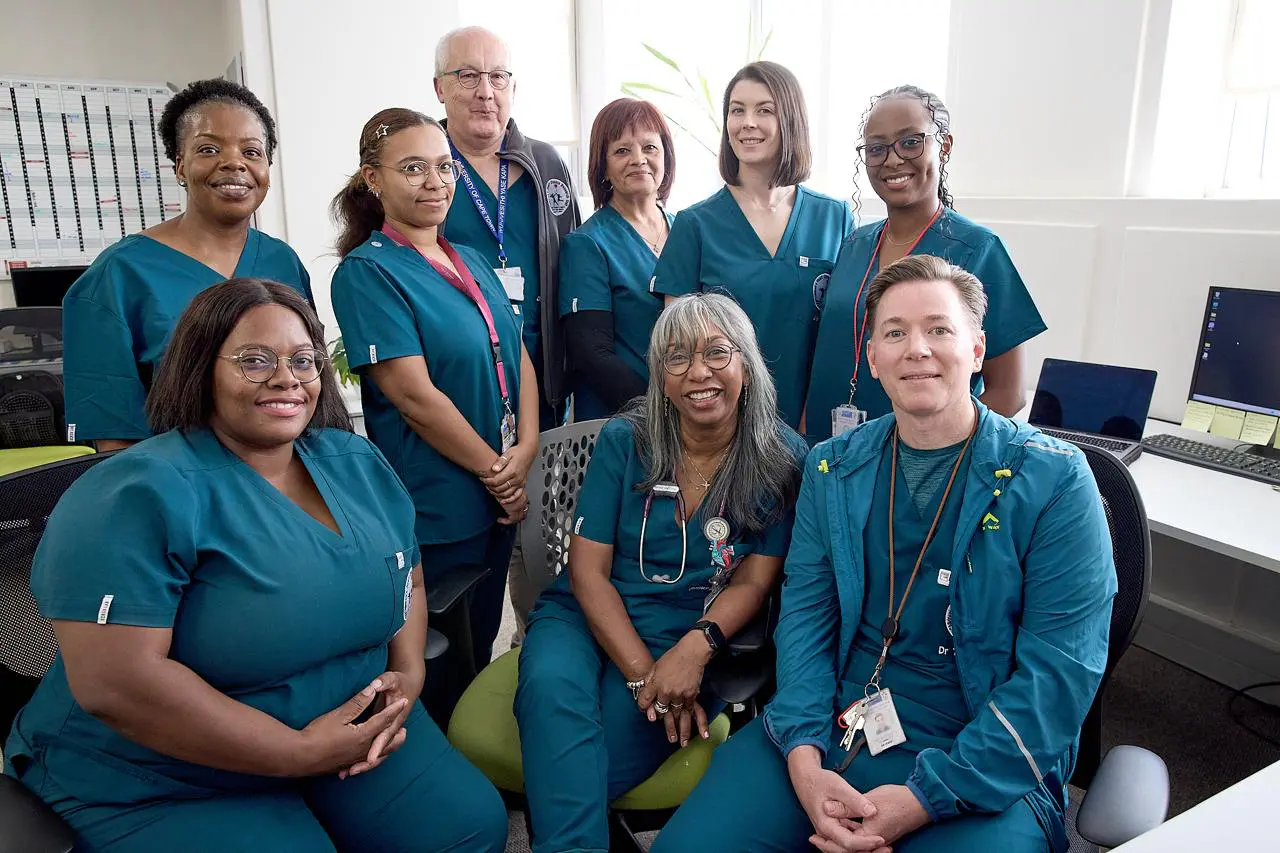
Today, Zühlke is vice-president of the South African Medical Research Council, and at Red Cross she is director of the Children’s Heart Disease Research Unit and a paediatric cardiologist in the Division of Paediatric Cardiology.
What types of things go wrong in children’s hearts?
Heart disease in children refers to any problem with the structure or work of the heart, explains Zühlke. There are two main types: congenital heart disease which relates to structural problems with the heart that are present at birth; and acquired heart disease that develops later.
“The heart is complete between six and eight weeks in utero. With congenital heart disease, the structural abnormalities are there already,” she says.
“The heart can be viewed as a house with four rooms or chambers, with walls that separate them, and veins or arteries going in or out to allow blood to move from one chamber to the next, through four valves or doors. There can be problems with any of those, for example, a hole in the heart, which is one of the most common things we see. If there’s a hole in one of the walls separating these chambers, then oxygen-rich and oxygen-poor blood can mix, making the heart and lungs work harder,” Zühlke says.
She says that a much more serious problem is when, instead of being born with four parts of the heart, a child is born with three or there’s obstruction to blood flow to the body. “This critical cardiac lesion requires surgery to reorganise the circulation. No surgery almost certainly means death. The range of structural abnormalities ranges from mild to critical. Congenital heart disease is the most common birth defect, affecting one in 50 children,” Zühlke says.
Explaining rheumatic heart disease, she says: “This is acquired later in life, particularly in children between the ages of five and fifteen, as a consequence of an infection called Streptococcus pyogenes (Strep A) which causes a sore throat or a skin infection and sets off an abnormal immune response. The body attacks and damages the tissue in the heart, an acute illness follows called Rheumatic fever and the permanent heart valve damage which results is known as Rheumatic Heart Disease.”
Related Posts
Zühlke believes not enough studies have been done to prove categorically what the prevalence of heart disease is in children in South Africa. “It’s hard to do a true birth prevalence study. But we’ve done a lot of work (through extrapolating numbers from other studies) to fill in the data gap showing that the prevalence in South Africa is similar to other parts of the world.” She says congenital heart disease is within the top five killers of children and more common than any other birth defects combined.
Unclear causes
The causes of congenital heart disease could include genetic changes, like chromosomal disorders such as Down syndrome; maternal health issues like diabetes, obesity or infections; or exposure to smoke, alcohol or restricted medications during pregnancy.
The causes of acquired heart disease are similarly varied, ranging from environmental causes to infections. It can take many forms. Kawasaki disease is a childhood illness that causes inflammation in the walls of blood vessels, resulting in fever, rashes and swelling; cardiomyopathy is a disease of the heart muscle that makes it harder for the heart to pump blood to the rest of the body. HIV-associated heart disease comes about because people living with HIV face a higher risk of developing cardiovascular disease.
The symptoms of heart disease, Zühlke says, include rapid breathing, an increased heart rate, and excessive sleepiness. Babies can be pale or blue around the fingers, toes or lips, and can tire when drinking or have problems gaining weight.
DO YOU KNOW THEM? | Every August we highlight women across healthcare, science, and medicine who are leading with distinction locally and internationally.
See our list for 2025: shorturl.at/i3ICCJoin our mailing list: shorturl.at/Ntzoa
— Spotlight (@spotlightnsp.bsky.social) December 19, 2025 at 1:33 PM
There are several possible diagnostics, but they are not always available in the public healthcare system. These include heart ultrasound, electrocardiograms, X-rays, and checking the amount of oxygen in the blood soon after birth, with a pulse oximetry test.
In addition, Zühlke says that some provinces such as the Northern Cape and Mpumalanga lack a paediatric cardiologist to make the diagnosis. “There are also issues with referrals to get diagnosed patients to centres for timeous attention. Sadly, people are dying without even knowing they had heart disease,” she says.
What we can do differently
Asked what could be done differently in the public sector to improve early diagnosis of heart issues, she says pulse oximetry screening is a simple, cost-effective, efficient test to rule out critical congenital heart disease. Zühlke says there are plans to incorporate it into the Road to Health Booklet used by health professionals and parents to monitor a child’s health and development.
“It wouldn’t be difficult to add pulse oximetry screening as a check before a baby is discharged from a hospital. It’s been well proven that it works. All that’s needed is a probe and somebody to do it; and it can tick a box on the child’s Road-to-Health chart.
“But that requires money because you need a particular newborn probe to do it … and people are busy in the clinics,” she says.

On rheumatic heart disease, Zühlke says it’s “unethical” that an entirely preventable disease is still such a problem in SA and Africa. “We need research, funding, and advocacy to change that, improving diagnosis, treatment and long-term care. Also, we need to make sure there’s a vaccine to treat strep A.”
First prize, she says, would be to enable immediate diagnosis of rheumatic fever. “Currently, there’s no one test to say a person has acute rheumatic fever.”
“Next, we need a different way of treating it (the current penicillin injection is extremely painful for children); and getting a vaccine in countries where it actually matters. In the meantime, the goal is to ensure people living with the disease get access to care.”
Zühlke says she’s following the work on a vaccine for rheumatic heart disease closely and is involved in a vaccine collaborative which is working to ensure that when the vaccine becomes available, it is accessible and affordable.
‘Some of them were my heart patients as children’
Meanwhile, her “varied, mad, interesting” life sees her overseeing numerous intra- and extramural research projects for the SAMRC and directing her Children’s Heart Research unit at UCT. She still works in a multi-disciplinary clinic for women with cardio-vascular disease in Groote Schuur’s maternity centre which she loves.
“Some of them were my heart patients as children,” Zühlke says, adding that transitional care is a priority “because patients with congenital and rheumatic heart disease become adults, we need to ensure that they can get the best possible life-long care.”
Her big vision has always been “to integrate research into the clinical space, so that as you see patients, it goes into the research, and as you research, it goes back to the patient.”
Zühlke adds: “Being part of the research landscape at the SAMRC is deeply gratifying. What I’d like to see, most importantly, is childhood onset heart disease recognised as an entity, part of policy … and in the national action plans.”
She is the 2026 laureate for Africa and the Arab States in the L’Oréal-UNESCO For Women in Science International Awards for her pioneering work in improving care for children with cardiovascular disease, particularly rheumatic heart disease. Given to the top five female scientists globally, the distinguished award recognised her for “combining cutting-edge science with social justice” and “turning the fight against childhood heart disease into a public policy priority”.
Zühlke is married to Alexander Zühlke, a plastic surgeon at Tygerberg Hospital in Cape Town, and together they have two children.
*This article is part of Spotlight’s 2026 Women in Health series, featuring the remarkable contributions of women to healthcare and science.
