
Where children die | The long search for care in rural KZN
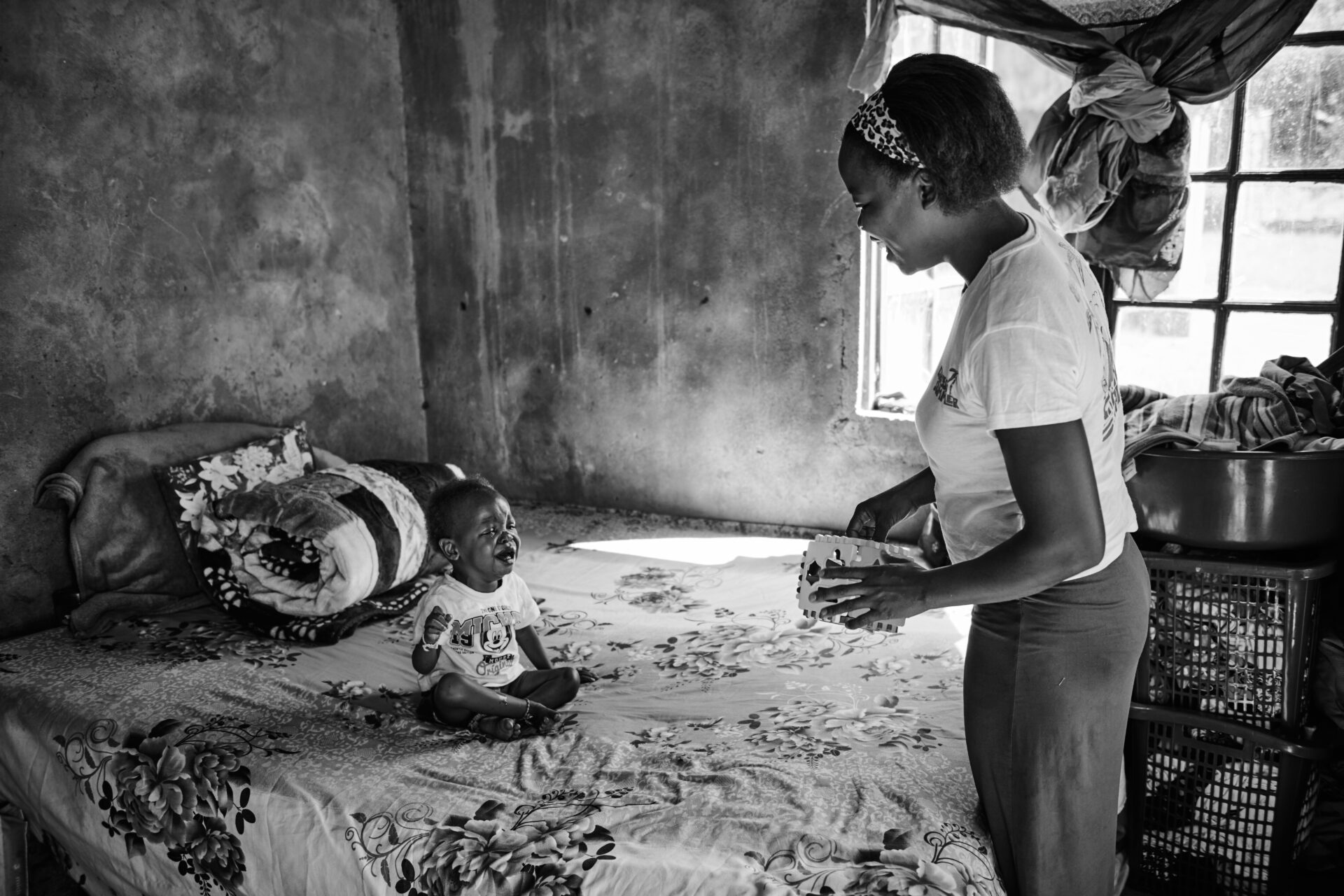
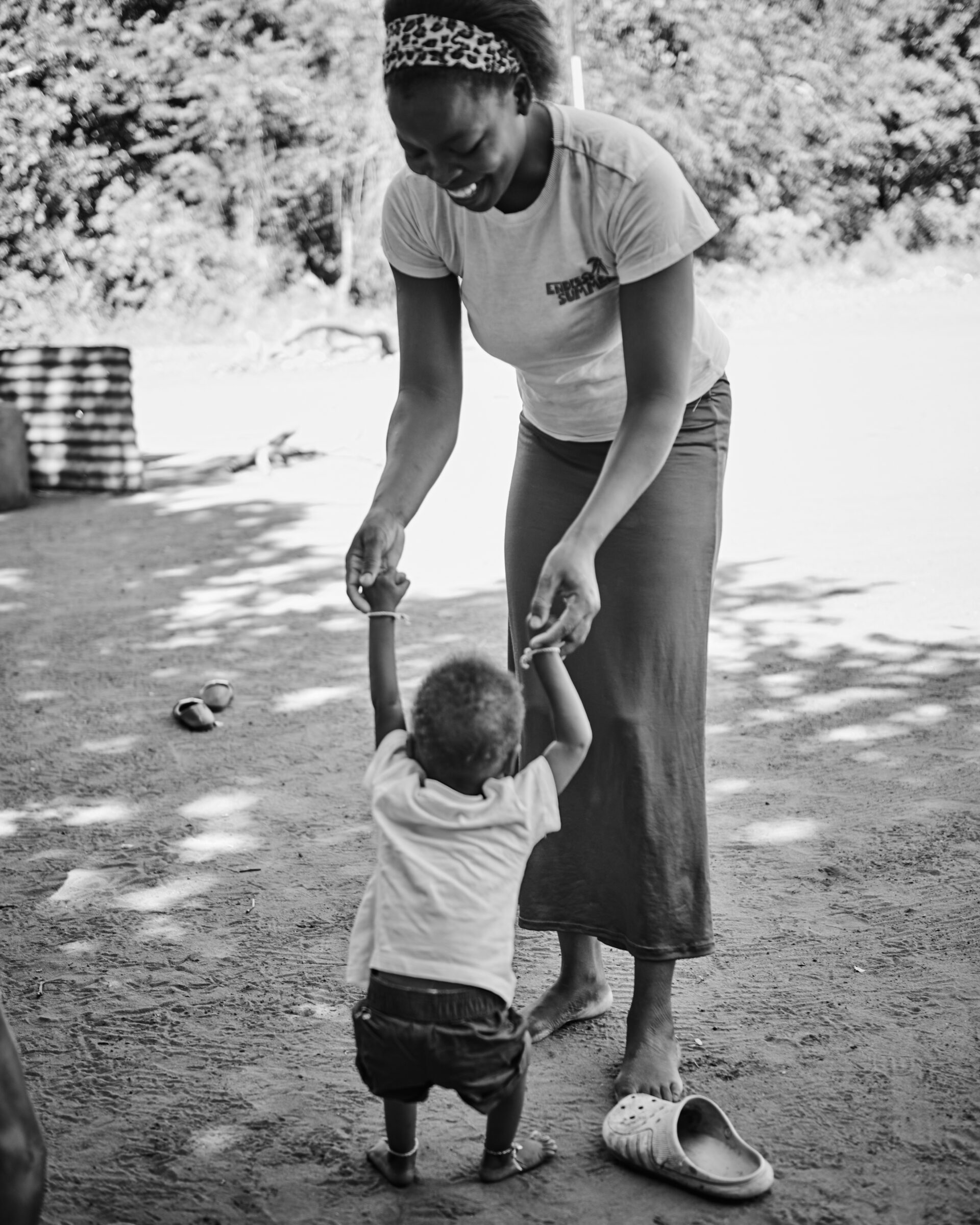
 Thokozile Ndlovu with her baby Xolinathi, who receive home-based support from a dedicated team from one of the only palliative care homes in rural KwaZulu-Natal. (Photo: Thom Pierce/Spotlight)
When Thokozile Ndlovu found out that her baby had a life-limiting illness, she went from pillar to post looking for medical help. Her journey took her to one of the only places offering hope, the Butterfly Palliative Home in Ingwavuma in KwaZulu-Natal.
About eighteen months ago, Thokozile Ndlovu, realised something was seriously amiss with her six-month-old baby, Xolinathi. “He was having seizures, his body was weak, and I could tell his development was very slow,” says Ndlovu.
Ndlovu, 25, who lives about an hour’s drive from the town of Ingwavuma in rural northern KwaZulu-Natal, decided to seek medical help.
The nearest clinic at Ndumo is a 45-minute drive from her home. She bundled up her sick infant and started walking in the sweltering heat of the area, hoping to hitch a ride.
Bush taxis are not common in this community in the Lebombo Mountain range where few cars pass by. When Ndlovu finally reached the clinic, after walking for many hours, she says the staff told her they couldn’t help and advised her to take the baby to Mosvold Hospital, another hour’s drive away.
“I walked out of the clinic and started hitchhiking to Mosvold. Hitchhiking is costly – you ask people for a lift, but you still need to work out a price,” she tells Spotlight.
Several hours later, at Mosvold Hospital, they X-rayed the baby and found his heart was “on the wrong side of his chest”. Ndlovu adds: “They said they couldn’t do anything to help us and referred us to Queen Nandi Regional Hospital in Empangeni (another three and a half hours away by car).”
Ndlovu had to then make her way from Mosvold to Queen Nandi, and again she says she was told there was nothing they could do. “They booked an ambulance to take us to Inkosi Albert Luthuli Hospital in Durban,” she says.
By this stage, Ndlovu and her baby had not been home for several days and she says his health was deteriorating.
She says specialists at Inkosi Albert Luthuli Hospital, a tertiary hospital, were unable to help. “They said if they operated on his heart, he might die because he was too weak,” she says. “We waited at the hospital, where lots of doctors examined my baby. They kept us there for the whole of December.”
In late December, she says doctors told her that Xolinathi was deemed palliative. That was when the doctor told her about the Butterfly Palliative Home in Ingwavuma, she says.
Support from the Butterfly Palliative Home
Founded in 2018 by husband-and-wife team Tarryn and Dr Christof Bell, the Butterfly Palliative Home is a children’s hospice providing end-of-life care to babies and young children with life-limiting conditions. They provide both home-based care services and in-house care at two children’s hospices in Ingwavuma and Empangeni. They say these are the only such registered children’s hospices in rural KZN, and just two of five in South Africa.
After consulting with Tarryn Bell, a qualified social worker, Ndlovu decided to care for Xolinathi at home, with Butterfly’s support. Xolinathi has Dextrocardia, a condition in which a child’s heart is on the right side of the chest instead of the left, along with associated heart disease.
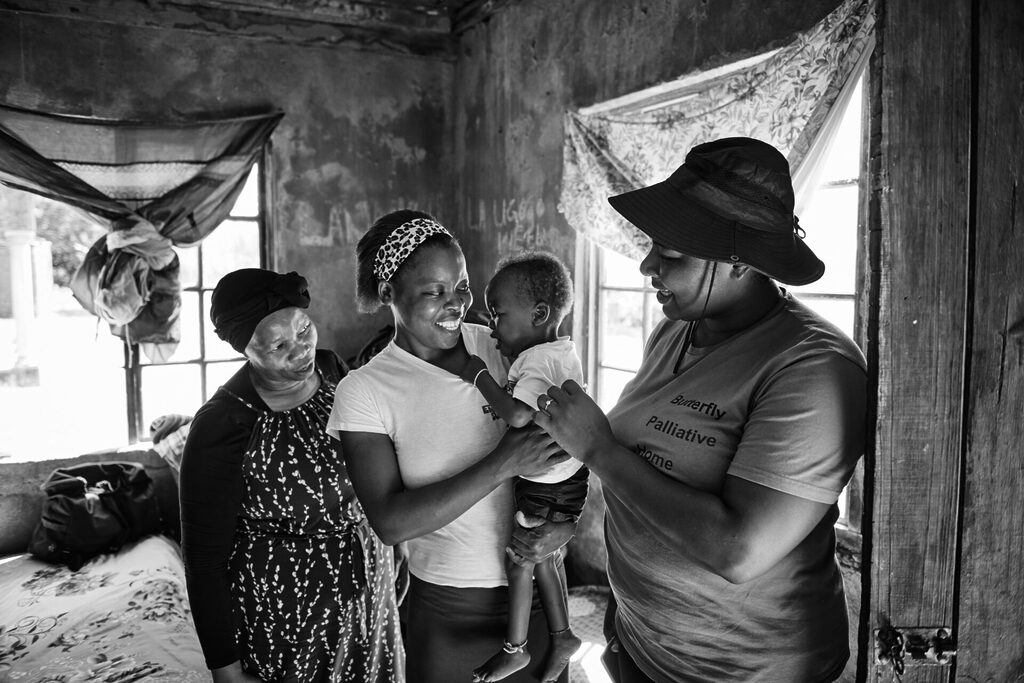
“They introduced me to the staff, taught me how to take care of my baby, and said they would visit regularly to see how I was doing,” she says.
A visit to Thokozile Ndlovu’s home
The Butterfly team visits twice a month to check in with her and Xolinathi.
“We’ve reassured her that, as soon as she’s not coping, we can take the baby to stay at our hospice,” says Doris Ntuli, director and house mother of Butterfly’s hospice site in Ingwavuma.
Ntuli, and social worker Nokwazi Ndlovu (no relation to Thokozile), go along with Spotlight to visit Ndlovu. Butterfly’s maintenance manager, Nhlanhla Ndlovu, is at the wheel.
To get to Ndlovu’s homestead involves a long drive, through the lush, dense bush which characterises this part of rural KZN, and along bumpy narrow red-dirt roads which are impassable without a four-wheel drive vehicle.
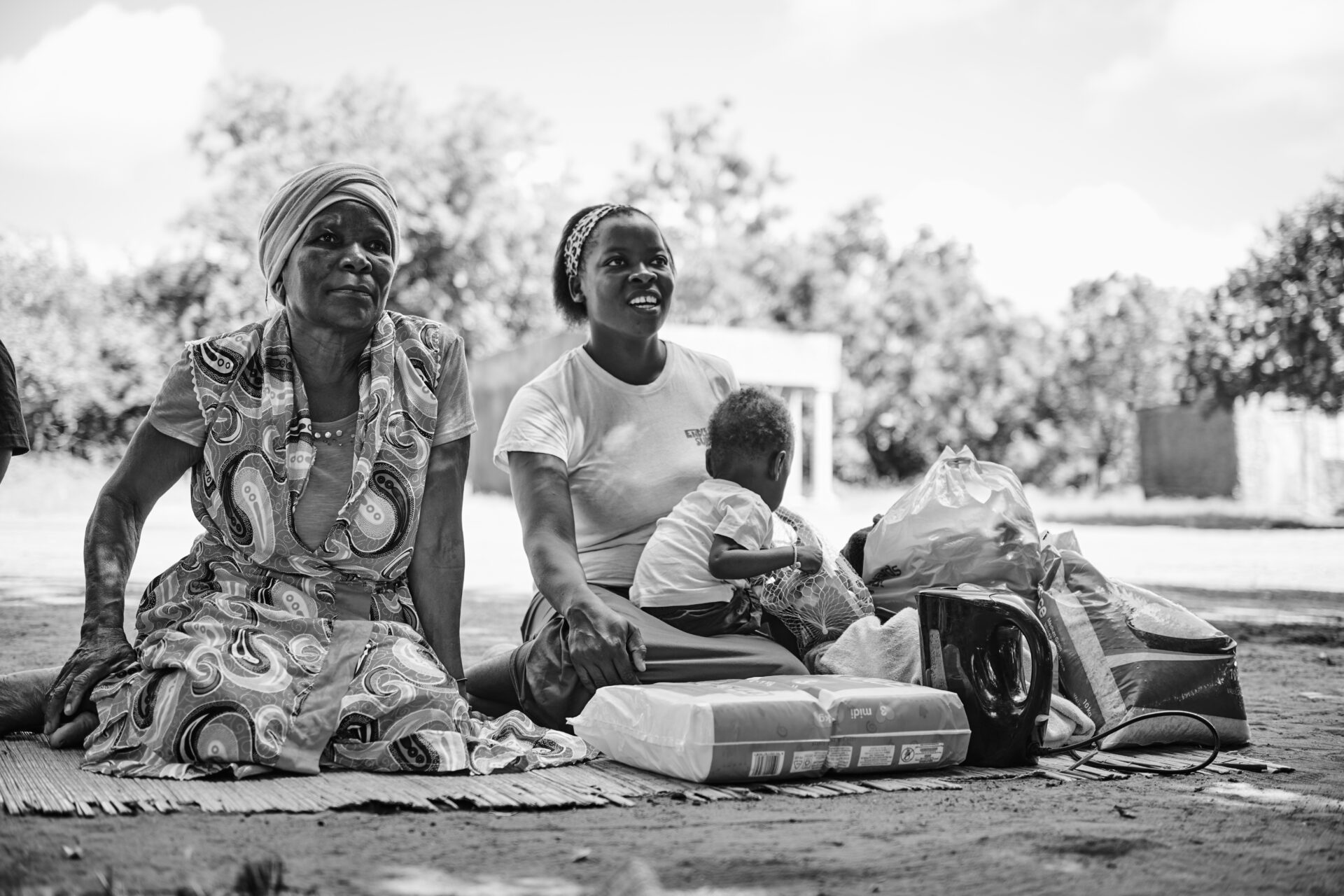
It’s heatwave hot. On arrival, we are greeted by a group of women sitting under trees. Chickens roam around the yard. Ndlovu, who lives with her mother and sisters, emerges from a small room carrying Xolinathi, who is clearly miserable. She greets Ntuli and Ndlovu but is fraught as she says her baby has picked up a bad cold and is struggling to swallow.
The Butterfly duo unpack the bags they’ve brought along, including some staple food for the family, cleaning materials and a blender. “This will help to make the baby’s food soft and easier to swallow,” says Ntuli.
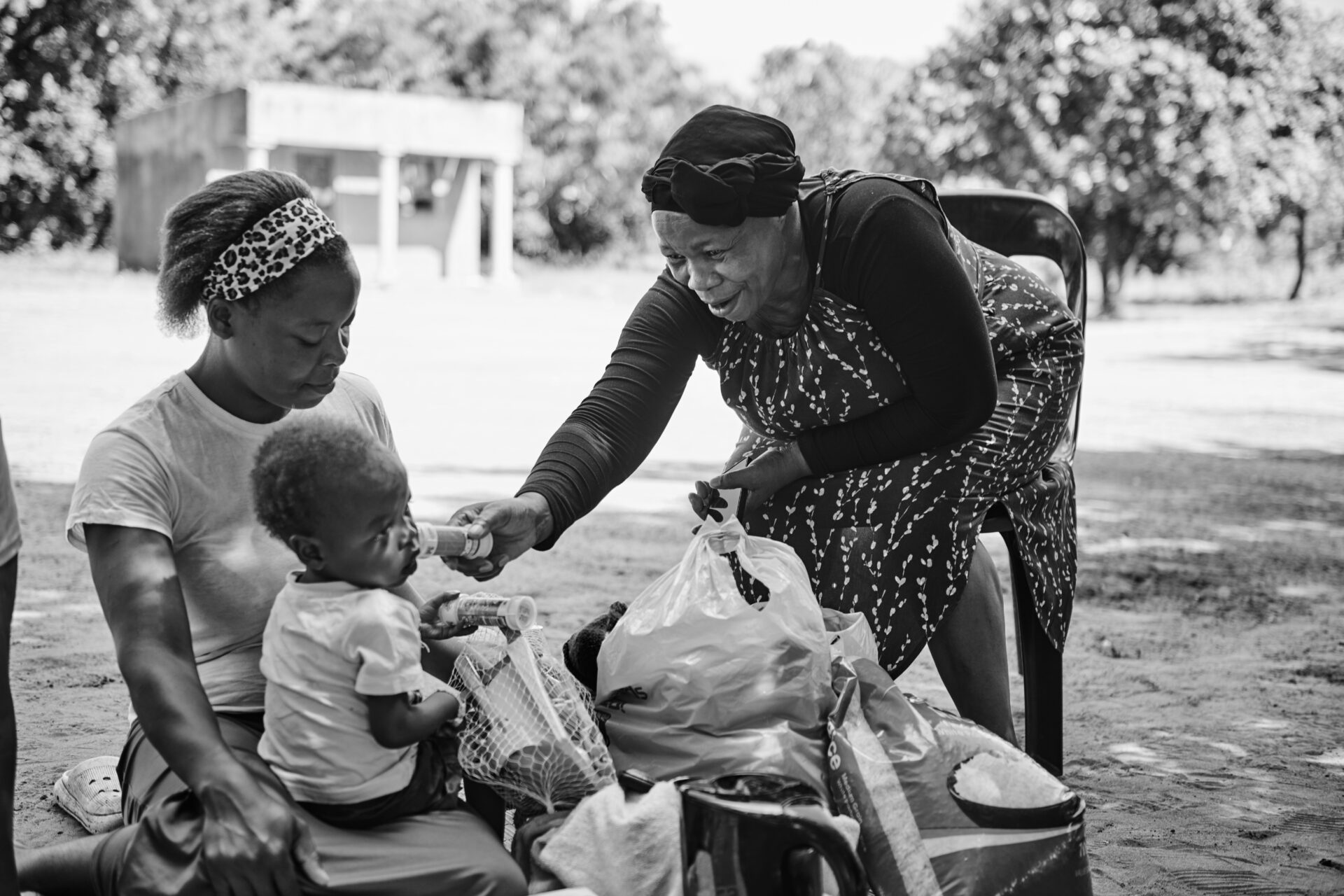
On their regular visits, she and Ndlovu make sure the baby is getting proper nutrition and that he has the correct medications. They give tips on keeping the home clean and sterilised, to prevent infection, and they check to see how the young mum is coping, emotionally and otherwise.
“Thokozile knows that, as soon as she feels she is not coping, we can take the baby for two weeks or longer to give her some relief. It might get harder from here,” reiterates Ntuli.
In isiZulu, with some translating help from driver Nhlanhla Ndlovu, Thokozile describes how Butterfly has helped her on this difficult journey.
“They check the baby, they give me advice, they give us love. They’ve helped me to keep my baby alive,” she says.
The baby boy is one of several outpatients who the women are currently visiting regularly. One has a brain tumour and has picked up infections, another with cerebral palsy has developed a chest infection resulting in the child being unable to swallow food or saliva and thus needs to be suctioned every hour and fed through a tube.
“It’s difficult for these parents, but that’s what we are there for,” says Ntuli. “We see how hard they are working to look after their children and we do whatever we can to support them.”
Butterfly’s patients are often abandoned or orphaned
Not all vulnerable children have the privilege of a devoted mother to care for them at home. Many, who are severely ill or have unusual conditions, are abandoned in terrible ways. Some are found dumped in bushes, bins, or abandoned buildings, while others are neglected in backyards to fend for themselves.
Every child who arrives at Butterfly has their own story. The first official “Butterfly” was a baby called Sibusiso (nicknamed Si) who was found emaciated outside the Soweto soccer stadium by a jogger who heard a sound in the bushes. He had Edwards Syndrome, a severe genetic condition which causes prenatal growth retardation and other issues.
Related Posts
A three-year-old girl with cerebral palsy, arrived at Butterfly, starved almost to the point of unconsciousness after her parents allegedly tried to kill her. She was self-mutilating from the trauma she had experienced.
A five-year-old girl with Down Syndrome was found living outside in an informal settlement, and suffering from severe scabies and a fungal infection. Doctors considered possible amputation of her fingers and toes as it presented as dry gangrene. She had never been taught how to speak or walk and due to the infections did not want to use her hands or feet. She was hospitalised and in isolation for a month before going to Butterfly.
“All of our children arrive here in a really serious condition,” says Bell (all quotations attributed to Bell are from Tarryn Bell). “Literally every one of them comes from a hard place. There’s a lot of abuse and neglect; even instances of sexual abuse of terminally ill or severely disabled children…The abuse happens because they are so vulnerable and can’t fight back.”
‘Pushed in a corner and the curtain is closed’
Bell continues: “The worst cases often don’t come from the community. Some of the saddest stories have come from government hospitals where children with life-limiting conditions have suffered institutional neglect and had no pain management. By the time they reach us after being discharged from the hospital, they are severely dehydrated, and emaciated.
“We’ve really found some shocking cases within hospitals. Because these children have become forgotten. If you’ve run out of medication for this child and it’s out of stock and you don’t want to see the child’s pain, the child gets pushed in a corner and the curtain is closed. We’ve found a lot of those cases.”
When a terminally ill child is abandoned in hospital, according to Bell, the health department is responsible for keeping the child until a hospital social worker assesses the child’s circumstances. The social worker is then responsible for reporting the abandoned child to the Department of Social Development, and to the area’s statutory social worker to investigate, and, where possible, to track down the child’s parents. The case is then placed with the Department of Social Development to decide how the child will be cared for. While the social development department is tasked with providing psychological support to families with terminally ill children, the health department is responsible for providing palliative care. This, says Bell, is sorely lacking.
A few days before publishing this piece, Spotlight contacts Butterfly’s Nokwazi Ndlovu to ask how the outpatient children are doing.
“Xolinathi is doing very well. I called his mother this morning. She said she is happy with him,” says Ndlovu.
But there is also sad news. “Two children have died since your visit, so we have two home-based care patients at the moment. This is how it happens in our work. God gives. God takes,” she says.
The World Health Organization defines palliative care as follows: “Palliative care is an approach that improves the quality of life of patients (adults and children) and their families who are facing problems associated with life-threatening illness. It prevents and relieves suffering through the early identification, correct assessment and treatment of pain and other problems, whether physical, psychosocial or spiritual.”
Note: In Spotlight’s Rural Heroes series, we tell the stories of people working at the coalface of rural health. Besides platforming these remarkable individuals, the series also aims to increase understanding of the unique challenges of offering healthcare services in rural areas.
