
Tiny tots and big science: Inside Brooklyn Chest Hospital’s decade old paediatric TB hub
 Dr Susan Purchase with a child at Brooklyn Chest Hospital, which provides long-term care for patients with severe or complicated TB. (Photo: Nasief Manie/Spotlight)
Soft toys, giggly kisses, and bright wards buzzing with excited children meet a driven team of staff and researchers producing world class work at Brooklyn Chest Hospital’s paediatric TB research hub. Biénne Huisman visits the wards and the Desmond Tutu TB Centre’s clinical site as it celebrates ten years and gets early insight of a cutting-edge new treatment trial.
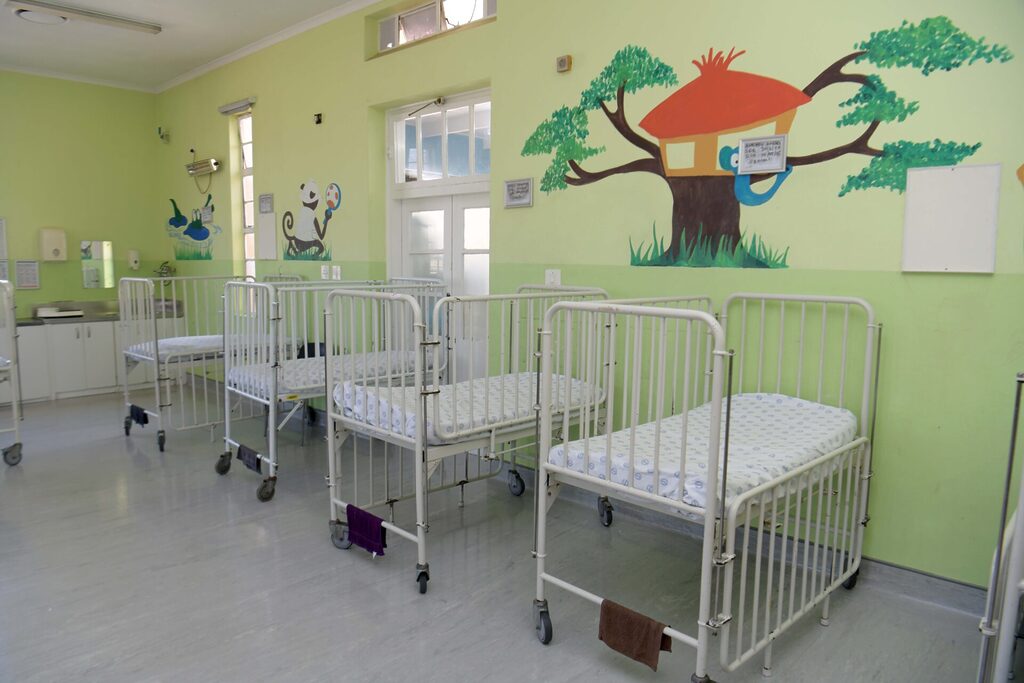
Brooklyn Chest Hospital is made up of a series of scattered buildings on large grounds next to the industrial suburb of Paarden Island in Cape Town. The children’s wards are bright: metal cots stand against lime and blue walls, decorated with murals of giraffes and sea creatures. It is midday and lunch aromas linger along the corridors.
With about 300 beds in total, Brooklyn Chest Hospital offers long stay admission to patients with complicated or severe TB. In children, this includes TB meningitis and multidrug-resistant TB. The hospital has 40 paediatric beds with 31 children currently admitted. Depending on the severity of their illness and social circumstances, their stay could range from 2 months to over three years in rare cases.
‘Love and understanding, kindness.’
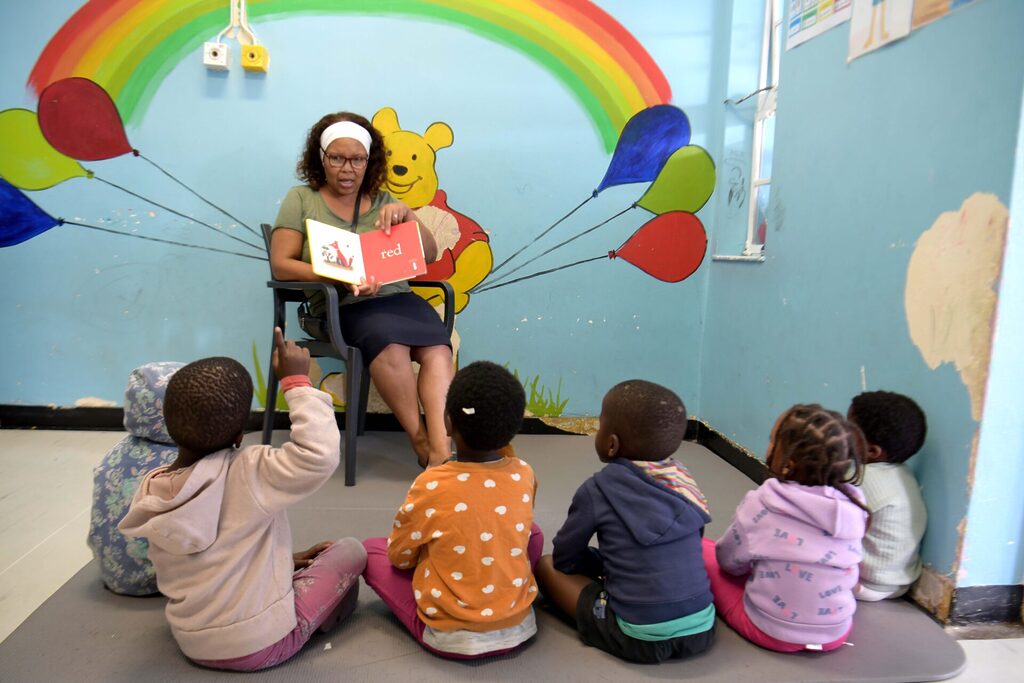
In one room, teacher Noxolo Mlata is reading to children aged 3 to 6. Seated in front of her, they raise their fingers to identify colours on the book’s pages: orange, yellow, blue. In a neighbouring ward, infants mill about excitedly beside nurse Goodness Ngubane, as she tilts a spoon into a young boy’s mouth. He is in a wheelchair.
Inside the wards, staff are not wearing masks as none of the young patients are considered an infection risk.
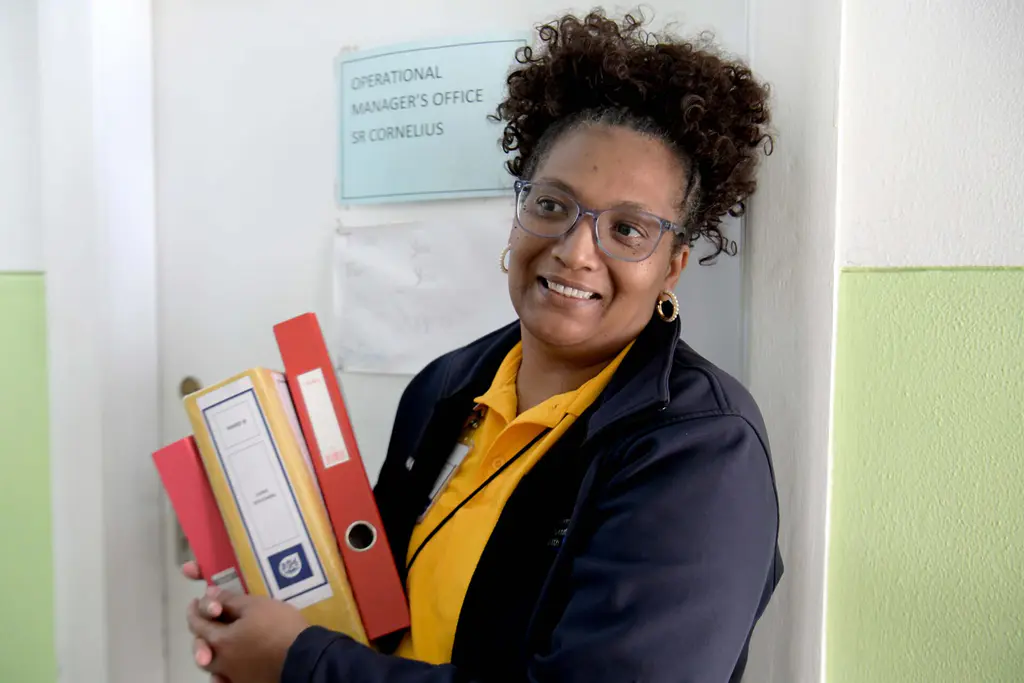
Sister Anastasia Cornelius explains that infants as young as 3 months to 12-year-old children are admitted here, whereas adolescents are moved to the adult wards at the hospital. Nodding to the boy with Ngubane, she says: “We have one boy who is 13 years old, because he is small for his age with special needs. He has been here for more than three years and is cured of TB meningitis, but his family cannot take care of him. He will need a special home.”
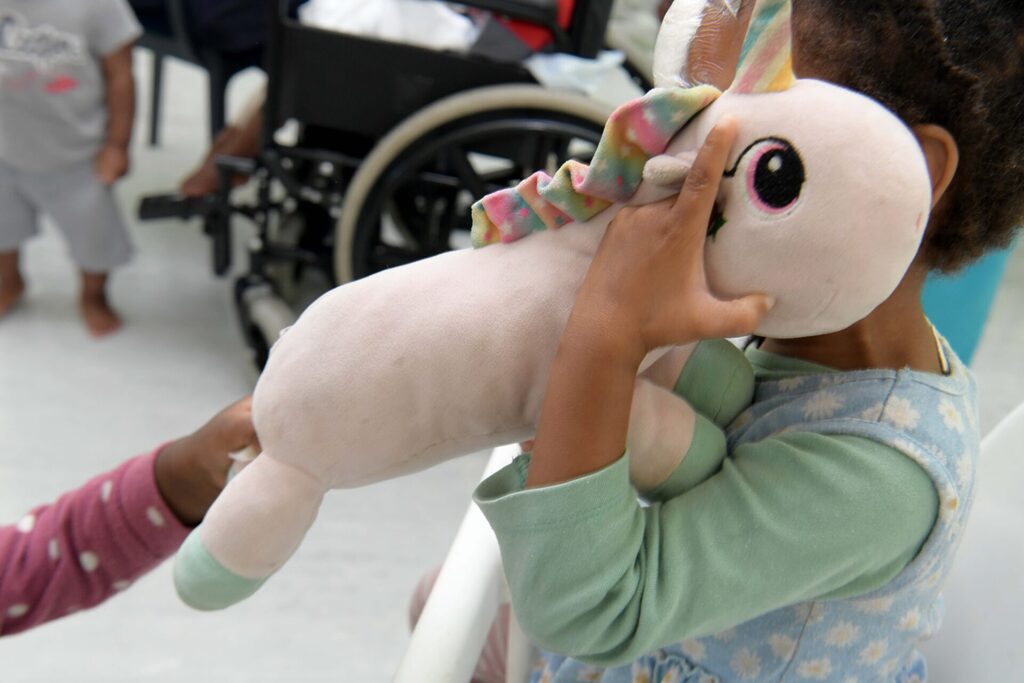
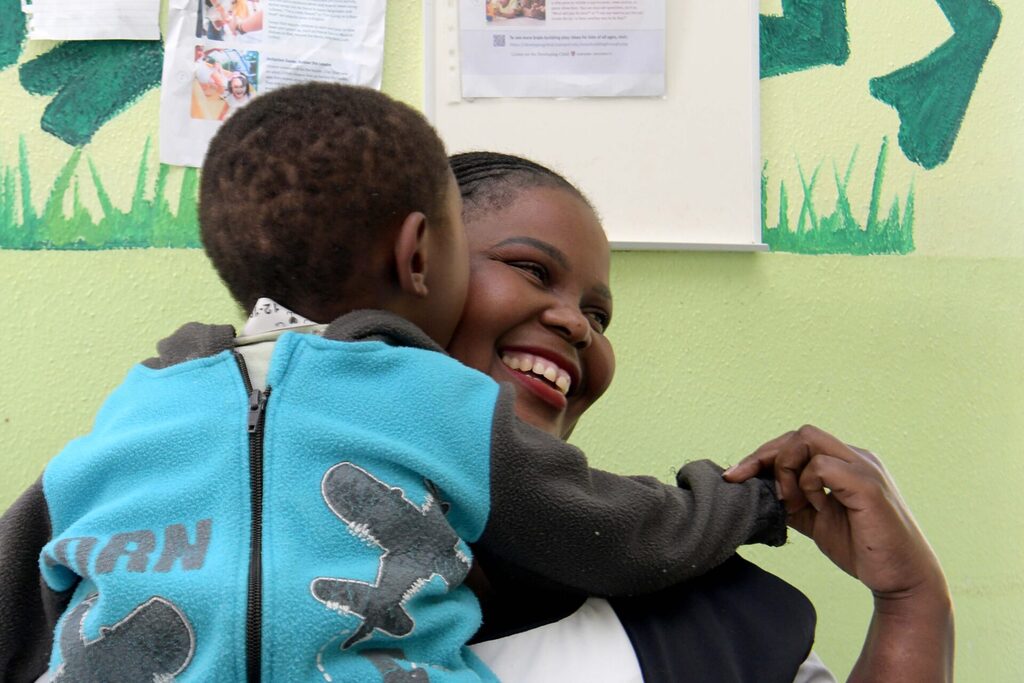
Swooping a pink-clad toddler into her arms, she says: “This one is very intelligent. She arrived two days ago from Red Cross [War Memorial Children’s Hospital]. When her mum left yesterday, she was crying, but now she is doing well.” Another little girl is playing with a unicorn soft toy, as Ngubane now hugs a bouncy boy who is planting kisses on her cheek.
Around a corner in a sunwashed playroom, a woman croons and smiles as she feeds an infant huddled on her lap. Parents are welcome to visit their children at the hospital, but there are no sleepover facilities.
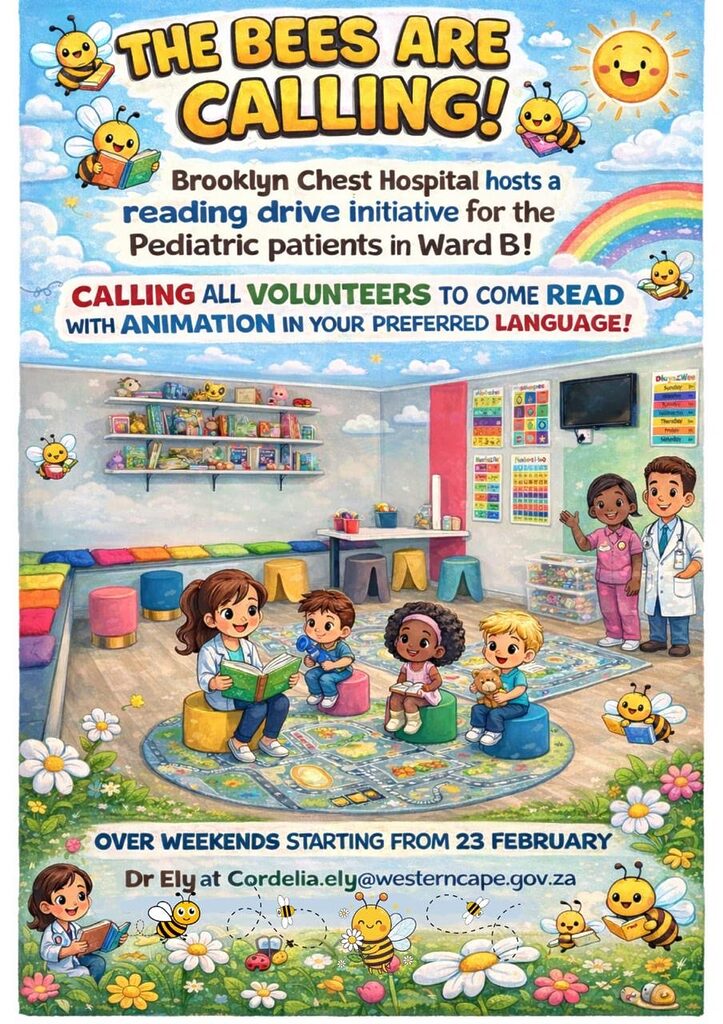
“We love them so much, all of them,” Cornelius says. “They need a particular level of care; it’s not just about money and [medication] adherence, they need love and understanding, kindness.” She adds that staff are currently fitting out a reading room for the children and they are looking for volunteers to read to the youngsters over weekends.
Where world leading research happens
A short walk away, inside a squat prefab building, is where the related science happens. Brooklyn Chest Hospital, a key clinical site of the Desmond Tutu TB Centre which is affiliated with Stellenbosch University, stands as a leading international paediatric TB research hub. Their work have informed World Health Organisation (WHO) guidelines on how to treat TB in children and adolescents.
This includes the WHO recommending a shorter treatment course of just four months for children aged 3 months to 16 years old with non-severe TB – previously treatment took six months. In children, severe TB refers to disease that is life-threatening. This could include TB meningitis or TB that involves other critical organs in the body.
The shorter treatment course is easier on youngsters and their caregivers, while also being lighter on public health budgets. Supporting evidence for the WHO’s recommendation was generated in the SHINE trial (Shorter Treatment for Minimal Tuberculosis in Children) which monitored 1 204 young participants across four countries. The Desmond Tutu TB Centre implemented the trial’s South African leg, which involved 315 study participants in Cape Town, including some at Brooklyn Chest Hospital.
In South Africa, the recommendation to switch to the four-month treatment was published in the National Department of Health’s 2024 guidelines for treating TB in children. “We are treating non-severe TB for four months among children,” the top TB official in the National Department of Health, Dr Norbert Ndjeka, confirms to Spotlight.
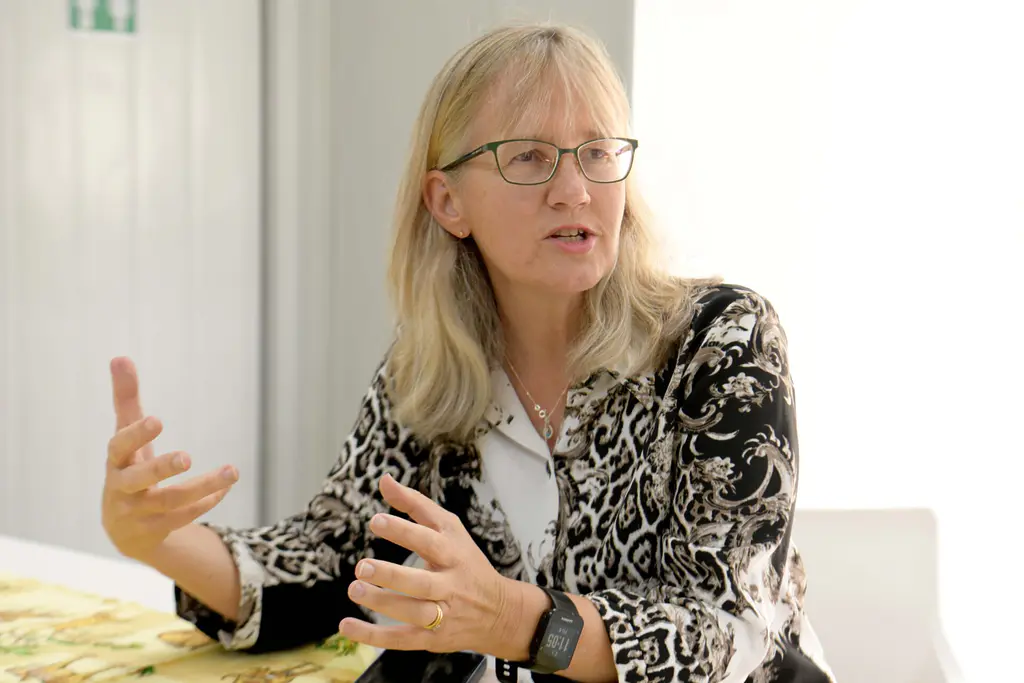
At a boardroom table at the Desmond Tutu TB Centre onsite offices, research-clinician Dr Susan Purchase’s tone is gentle as she discuss their patients: “Many of the children in these wards don’t have severe TB but they have social problems at home, so they don’t actually have a caregiver who is able to give them medicine,” she says. “Some may have TB meningitis, which is a severe form of TB that requires a higher level of care. TB meningitis can have terrible consequences where a child is left quite disabled for life, and they will need specific care.” TB meningitis is when the brain’s protective membranes become inflamed because of TB infection.
Reflecting on progress made at the Desmond Tutu TB Centre’s research unit since it opened on the hospital grounds ten years ago, Purchase notes that their initial focus was on pharmacokinetics, the study of the movement of a drug in the body.
“We were testing all these adult drugs in children of different ages to try and work out the correct dosing,” she says. “Because you think: ‘Oh well, if a child weighs half what an adult weighs, you can give them half the dose,’ but that’s not at all true. They have [structurally and functionally] different livers and kidneys and they process the medications differently.”
An example is the centre’s evaluation of dosing and safety in children of bedaquiline and delamanid. These two relatively new TB drugs revolutionised the treatment of multidrug-resistant TB in adults. The research found the medicines to be safe and effective in children of all ages. These findings were incorporated into the WHO’s 2022 guidelines for TB treatment in children.
The DTTC PK unit is based on the Brooklyn Chest TB Hospital premises. The 30-person research team based here designs and implements highly specialised clinical trials exploring the pharmacokinetics, safety and acceptability of key drugs and regimens used to treat TB in children. pic.twitter.com/XeKRuryvdE
— Desmond Tutu TB Centre (@DesmondTutuTB) August 29, 2024
Ten years ago, Purchase points out, patients with drug-resistant TB were treated with a highly toxic antibiotic called amikacin. “Injected every day for six months or more, this was a problem in itself, as it’s a painful injection, but then it also caused about a third of the kids to go deaf. So that was a huge issue to try and test hearing, but testing hearing in young children is also not easy, it’s subtle”. Amikacin and another injectable antibiotic called kanamycin also caused hearing loss in many adults.
When bedaquiline was introduced around a decade ago, it presented a safer all-oral regimen, allowing for treatment at home rather than in hospitals and bringing an end to amikacin-related hearing loss. Even so, the treatment remains challenging. Purchase says that most of their young patients take medication once a day: usually four or five different tablets, some of them crushed.
Her own research has looked “at the acceptability of these kind of medicines for young children,” a challenge as often the drugs are “appallingly bitter” despite attempts at taste-masking. She says they have found that children as young as three learn to swallow the tablets, as they realise it is preferable to tasting them.
A challenge and a puzzle
TB is far more challenging to diagnose in children than in adults, says Purchase. “We call it a puzzle because you need lots of different pieces to fit together. It’s a combination of first asking about their symptoms; adults cough blood, they sweat and they lose weight, whereas children might just not grow along their curve as you would expect them to.”
What really complicates identifying TB in children is that most TB tests require a sample of sputum, a thick phlegm coughed up from the lungs. Often though, children cannot produce these samples on demand and the usual TB tests thus have limited diagnostic value.
Related Posts
Purchase adds: “You can’t ask a one-year-old to cough into a sputum bottle, so then we do gastric aspirates for children, we actually pass a nasogastric tube into their stomach to aspirate what they swallow.” This works, because children often cough up phlegm from the lungs which they then swallow.
Because of the challenges with obtaining sputum samples, there has been significant research in recent years looking at alternatives such as stool samples and tongue swabs. While research in these areas continue, the WHO already includes a recommendation for the use of stool samples in its guidelines, although the evidence for the sensitivity of stool-based testing is not as strong as for sputum.
“Stool samples are most useful in HIV-positive patients,” says Purchase. “But it’s not a good diagnostic tool. And we also have used urine but it’s mainly effective in people who have quite a depressed immune system from HIV. So it’s not a useful tool in the average child.”
She is more excited over the potential of tongue swabs, pointing out that it is presently being tested for adults while not yet being tested in children. “It would be a huge advantage if we could simply just do a quick swab and within a few hours you could have a result, that would be a game changer. But we’re not there quite yet,” says Purchase.
Though chest x-rays are considered only a screening tool for TB, rather than providing a definitive diagnosis, they have nevertheless undergone something of a revival over the last decade with the development of safer mobile X-ray units that can be used to take screening out into communities. Here too, children’s diagnostics are unfortunately drawing the short straw. Purchase says that children’s x-rays are harder to read than those of adults.
She adds that new Desmond Tutu TB Centre research is looking at automated chest x-ray readings for children “so that nurses and junior doctors in resource-limited areas can actually get an image read by AI, rather than needing a pulmonologist [a doctor who specialises in the lungs] or someone with lots of experience in reading children’s x-rays”.
Along these lines, a study led by Professor James Seddon of the Desmond Tutu TB Centre, published in The Lancet Child & Adolescent Health in 2023 analysed data from 4 718 children with pulmonary TB across 12 countries, with the aim of developing a data‑driven algorithm to support clinical treatment decisions for front‑line health workers. These findings were also taken into account in the 2022 WHO guidelines for treating TB in children. As researchers move towards closing the diagnostic gap with no silver bullet for diagnosing TB in children, clinicians continue to make the most of the puzzle pieces at hand by combining different data sources like this.
Amazing, cutting-edge Korean collaboration
Spotlight’s next stop is the Desmond Tutu TB Centre’s headquarters at Stellenbosch University’s medical campus, next to Tygerberg Hospital. Inside her office, Professor Anneke Hesseling works beside a large photograph of the late Archbishop Desmond Tutu crossing Adderley Street in Cape Town. Founded in 2003, Tutu became the centre’s official patron in 2004, as he himself had suffered from TB as a child.
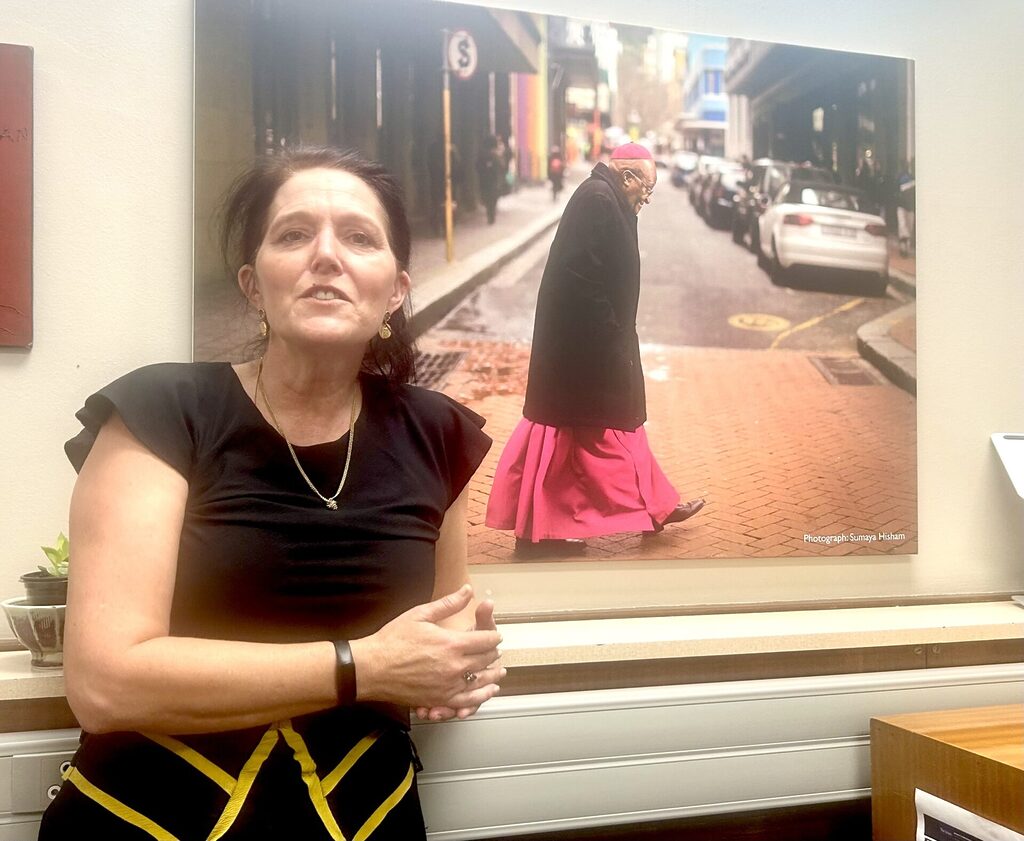
As Desmond Tutu TB Centre director for the past decade, Hesseling found herself in the hot seat in the wake of funding cuts from the United States. About 70% of the centre’s funding had been National Institutes of Health grants from the United States, which were lost. Over the past year, they had to pivot for new collaborations and Hesseling says new opportunities beckon for example in Korea and Japan.
Speaking to Spotlight, her words are rapid-fire: “So we’re doing an amazing cutting-edge trial which we completely designed, and with wonderful Korean colleagues. There’s a Korean National Institute of Health and they approached us last year and asked whether we’re interested in doing an adult multidrug-resistant TB trial and we said ja interesting, why not…”
The study will test delpazolid, she says, a new antibiotic being developed in South Korea primarily for the treatment of multidrug-resistant TB. Hesseling adds that they hope to have delpazolid replace linezolid, an effective but highly toxic antibiotic currently used globally to treat drug-resistant forms of TB. Tests will begin with adults, before shifting to children.
“The current drug we use is linezolid and it’s very, very toxic in everyone, so people get peripheral neuropathy. They go blind, they get bone marrow suppression,” she says. “[Delpazolid] just looks much safer, so it’s super exciting. It’s also interesting learning to collaborate with a completely different culture and language, I mean our conference calls with our Korean colleagues, half of the conversation is in Korean, which we don’t understand, so we have to just politely wait…”
Hesseling says this World TB Day, the centre celebrates resilience. “The last year has been a bit rough, but things are looking up,” she says. “This World TB Day will be a celebration of what we have actually not only survived, but how we’ve thrived, and how resilient we are. We’re not being bitter, not being angry. It’s a celebration of how much we can do as a team. How much resources we actually have if we work together well, how many new collaborations, new opportunities.”
