
dolutegravir

dolutegravir

Interactive Data Dashboards

Track the HIV & TB response

Key indicators, province breakdowns and downloadable graphs.

  • The evolution of HIV treatment: From multi-pill regimens to better, single pill combos

    HIV treatment has been improved and simplified significantly over the years yet a small fraction of people living with HIV still take complex multi-pill regimens. Elri Voigt reports on a new combination pill that could make life easier for some in this group. But as two leading experts point out, the development comes against a…

    ·

  • Early treatment helps protect the brains of people living with HIV

    Antiretroviral therapy has shifted HIV from a fatal to a chronic condition. But neuropsychiatrists say it is imperative for people living with the virus to start treatment immediately as the “duration of untreated exposure” may cause irreversible brain damage and impact long-term cognitive health. Biénne Huisman reports.

    ·

  • How WhatsApp is being used to train healthcare workers

    As HIV, TB and other treatments are updated in our public healthcare system, it is critical that healthcare workers and counsellors stay on top of the latest developments. One innovative programme makes use of short lessons delivered over WhatsApp to provide such training. Sue Segar reports.

    ·

  • Thousands of kids with HIV switched to newer treatment

    A child-friendly formulation of the antiretroviral drug dolutegravir was first included in the country’s HIV treatment guidelines in 2023. New estimates suggest that most children aged one to four living with HIV have now been switched to the drug, reports Elri Voigt.

    ·

  • Are children living with HIV being left behind? What the stats tell us

    Massive gains have been made in reducing new HIV infections and deaths in children. Yet, many of the statistics for children still look worse than those for adults. Elri Voigt asked experts why this is the case and what factors prevent children living with HIV from starting and staying on the treatment that can keep…

    ·

  • Why some babies in South Africa are still getting HIV

    Over the last two decades, South Africa made massive progress in reducing transmission of HIV from mothers to their babies. Even so, about 7 000 babies still contract the virus every year. Experts put this down to having the right puzzle pieces for prevention but failing to integrate them optimally. Elna Schütz reports.

    ·

  • Cape Town study brings hope to newborns left behind in HIV treatment advances

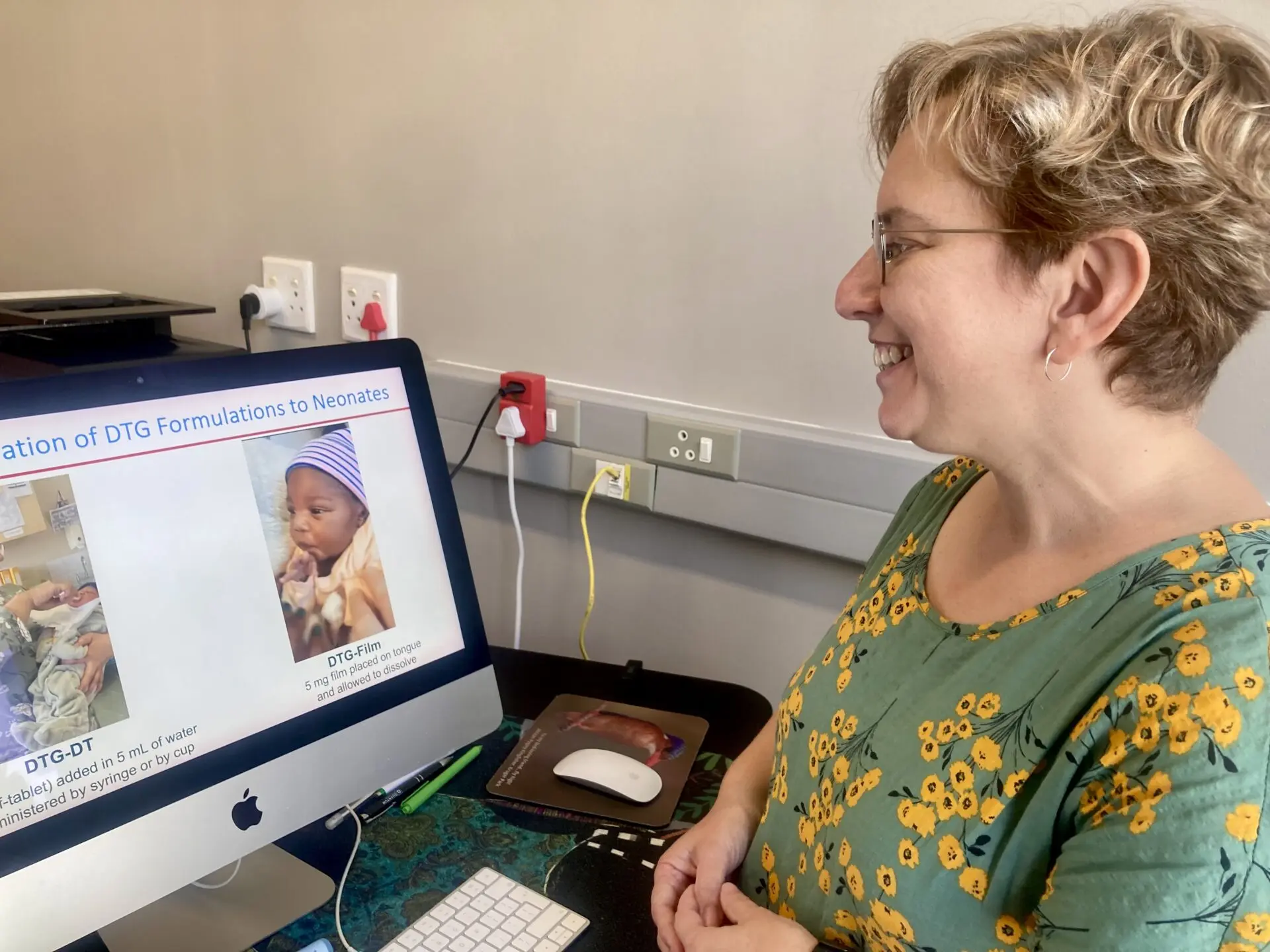
    Research led by Professor Adrie Bekker is paving the way for an important HIV medicine to be made available to neonates in a way that is both safe and much more convenient than previous options. Biénne Huisman met with the passionate clinician-scientist at her office in Cape Town.

    ·

  • The good doctor: Mark Blaylock on finding meaning back at Manguzi

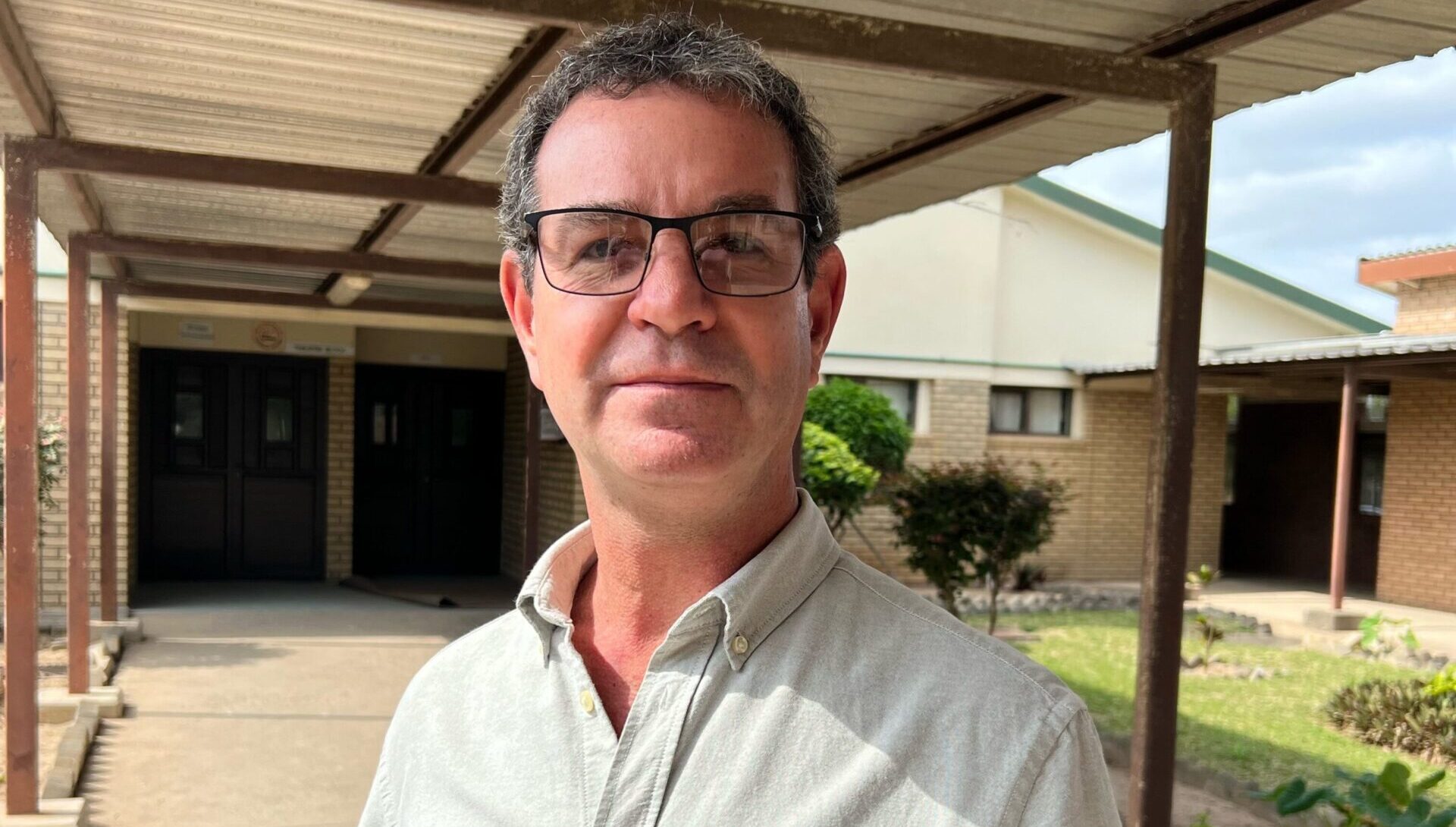
    In December 2008, Dr Mark Blaylock left South Africa after a high-profile spat with then-Health MEC of KwaZulu-Natal Peggy Nkonyeni. The affair was sparked by Blaylock’s colleague Colin Pfaff being charged with misconduct for sourcing funding for antiretroviral drugs for pregnant women living with HIV. Four years later, Blaylock was back at Manguzi District Hospital…

    ·

  • Over 4.7m people in SA placed on new HIV med in four years

    In what is likely one of the largest treatment rollouts in South African history, well over four million people living with HIV have started taking the antiretroviral dolutegravir since its introduction around four years ago. Now, according to a recent study published in the Lancet medical journal, use of dolutegravir in South Africa is associated…

    ·