
Menopause in SA: Women want answers, not ‘old granny’ labels
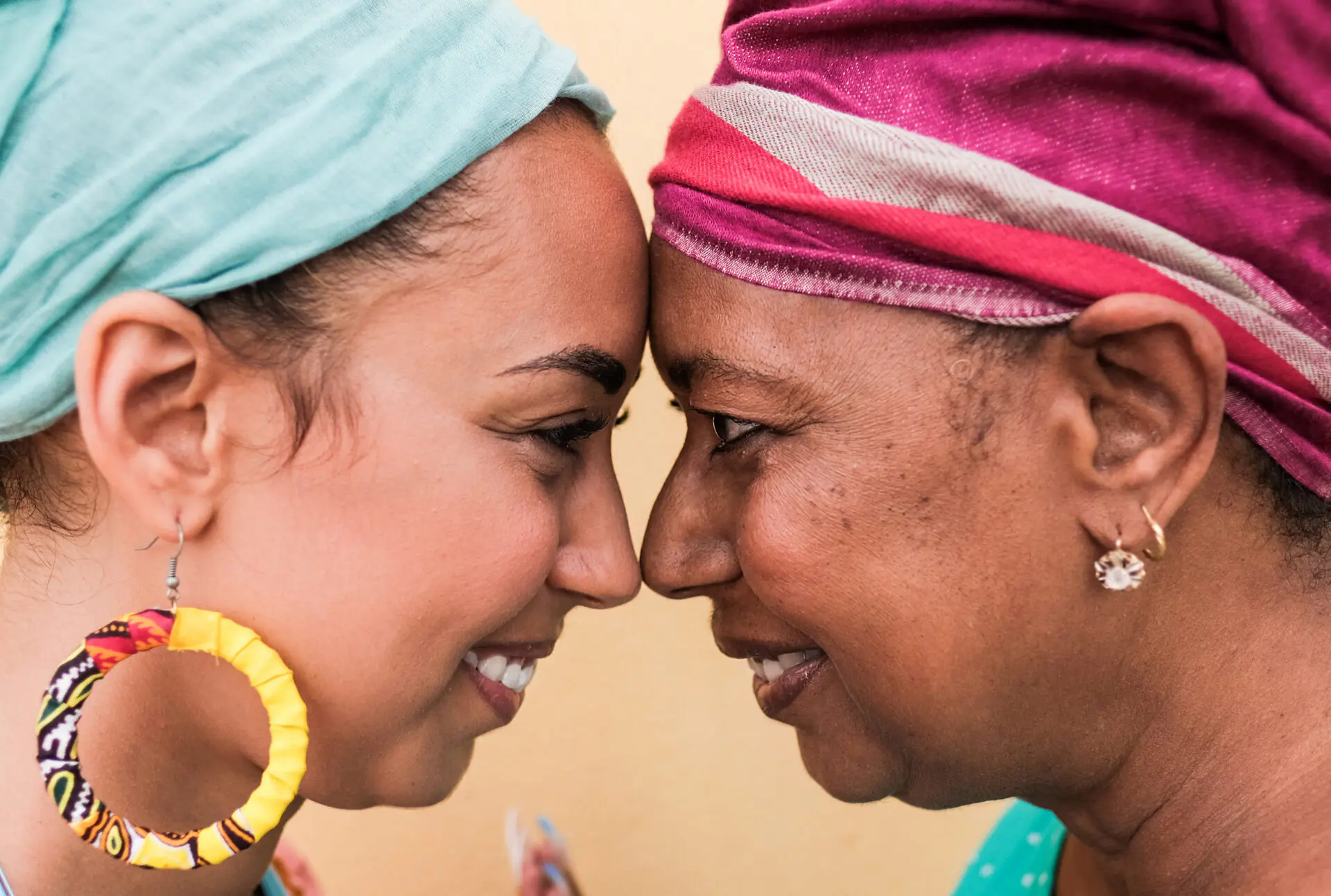 Menopause, defined as a year with no periods, marks the end of a woman’s reproductive years. (Photo: Shutterstock)
Across the country’s townships and rural clinics, women are breaking inherited silences to redefine reproductive ageing on their own terms.
In South Africa, women are challenging the silence around menopause, and the expectation to endure it without support.
This is significant because research suggests that some women in South Africa never discuss menopause with a healthcare worker. In a 2017 study of 450 black women in communities near Pretoria, more than three-quarters had never sought medical help for their symptoms, possibly, researchers argue, because of a cultural view of menopause as a positive natural process.
Menopause, defined by the World Health Organisation (WHO) as a year with no periods, marks the end of a woman’s reproductive years. It’s a natural transition brought on as the ovaries stop releasing eggs and oestrogen levels fall, usually between the ages of 45 and 55. Joint and muscle pain, exhaustion, poor memory and hot flushes are among the most common symptoms, but a new review suggests there are up to 72 possible symptoms.
Hormone replacement therapy is the most effective treatment to ease hot flushes, according to South African Menopause Society (SAMS) guidance, but whether it’s the right choice will depend on each person’s medical history and preferences.
Related Posts
After researching women’s perceptions of menopause in Gauteng and North West, researcher Sostina Matina now believes that the limited use of menopause treatments in South Africa’s public healthcare sector should not be mistaken for a rejection of clinical care. Many women, she says, had simply never had their options explained to them.
Xoli Madlala, who experienced menopause early, has made it her personal mission to bring menopause out into the open. She travels across the country, speaking in settings ranging from corporate boardrooms to rural Bible study groups.
Wherever she goes, she says, women of different ages are open to talking about a subject that previous generations were often expected to endure without discussion.
How clinic staff can fuel midlife myths
Midlife women seeking menopause symptom relief are often turned away by health workers, Matina says, especially if they’re experiencing symptoms earlier than usual or as a result of surgery.
“They’ll say ‘it’s just menopause, there’s nothing we can do’,” she says.
Yet, on paper, treatment should be available.
The country’s treatment guidelines for clinics and hospitals include menopausal hormone therapy pills that can ease hot flushes and other symptoms. Women who have had a hysterectomy can usually be prescribed pills with only oestrogen. Those with a womb also need to take progestogen because oestrogen on its own can cause the uterine lining to become too thick, which can increase the risk of cancer.
Hormone patches, which deliver hormones through the skin, are not on South Africa’s essential drug list, but they are listed as alternatives if the pills don’t work well for a particular patient or as an alternative when pill stocks are low, which a report by the National Essential Medicines List Committee suggests happens often.
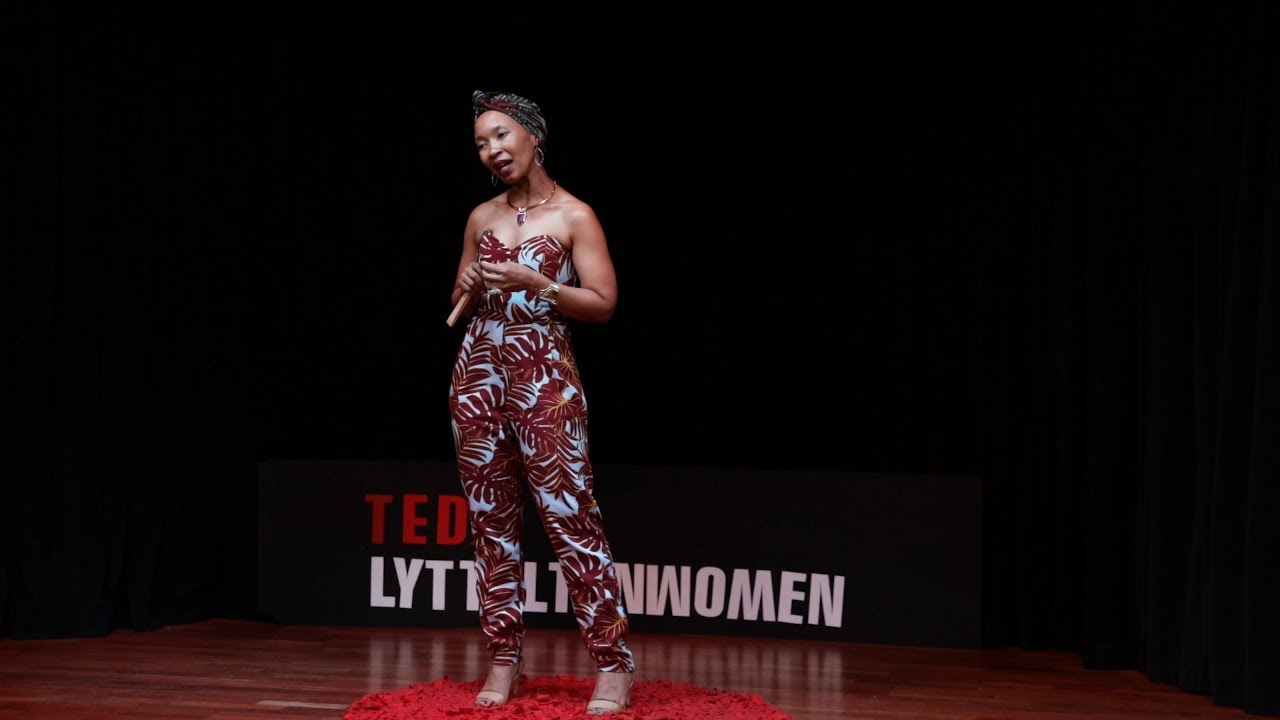
Professor Lineo Matsela, an obstetrician, gynaecologist and president of SAMS, says it’s become common for public sector doctors to write prescriptions for menopausal hormone treatments so that patients can buy them at a private pharmacy.
Over the past three years, however, there have also been sporadic private sector shortages of menopausal hormone therapy treatments.
But access to medicines is only part of the problem, Matina says. Dismissing menopause can also mean the health system could be missing other health risks that can impact women in midlife, a phase that can span about 40% of their lives.
The transition is also associated with bone loss, and the stakes might be slightly higher for women living with HIV. Over five years, a Soweto study found a greater loss of bone-density among women living with HIV compared to those without HIV, though there wasn’t a difference in fractures between the two groups.
Researchers didn’t have information on which HIV treatments participants were taking so they couldn’t untangle the effects of HIV itself from the possible impact of tenofovir, which is part of first-line HIV treatment and can contribute to bone loss.
US research suggests there could also be links between HIV, menopause and heart disease and an African study found higher rates of the “bad” kind of cholesterol after menopause regardless of HIV status.
Loss and liberation
People’s experiences of menopause vary widely across countries, cultures and generations.
Women in four rural villages in Limpopo, for instance, described menopause to researchers as a series of losses, of beauty, respect and quality of life even though older people were generally regarded as important veterans who deserve respect regardless of gender.
In some instances, researchers found that elders enforce a culture of silence about menopause. One premenopausal woman explained: “At the girls’ initiation when we were still young, old women told us blood will cease and since then no one ever talked to me about it. That is why I say it is my secret.”
In interviews at two Mamelodi clinics, researchers heard accounts linking pain and weight gain to blood that was no longer flowing out. “I do not know where this blood goes,” one participant said.
In a 2013 discussion of menopause and marriage, theologian Elijah Baloyi described a belief among Tsonga-speaking people that sex after menopause could cause semen to accumulate and a woman’s abdomen to swell.
In Johannesburg’s Soweto township, Matina found many postmenopausal women held beliefs about dirty blood, some saying they withdrew from sexual intimacy entirely or accepted the end of their intimate relationships.
For others, menopause brought liberation from the monthly financial burden of sanitary pads, or elevation to the level of an elder who could commune with ancestors.
Research conducted in South Africa and Zimbabwe suggests that inter-generational support can make all the difference to help women approach the milestone with acceptance.
One woman, who initially worried the changes she was experiencing were signs she could be dying, was calmed by her mother’s reassurance and positive outlook. Another told researchers: “[Menopause] is something I am looking forward to, why, because I am getting old. Yes, if time permits and if God allows it, with life, it’s okay.”
The language of change
It’s language that’s getting in the way, according to the authors of Working with Indigenous Knowledge: A Guide for Health Professionals.
Language mirrors a society’s worldview, and where Western medicine isolated a clinical hormonal deficit, African linguistic traditions instead describe social shifts.
When clinical concepts are translated literally into local languages, they often produce phrases steeped in shame, stigma, or perceived uselessness such as kuguma ura (no longer bearing) in Shona or phelelo maikutlo (the end of one’s feelings) in Setswana.
In response, women may express their bodily changes through idioms and euphemisms, describing hot flushes as fufulelwa or framing the transition socially as ugugile (she has aged), sekhulile (growing older), or into zabogogo (grannies’ stuff).
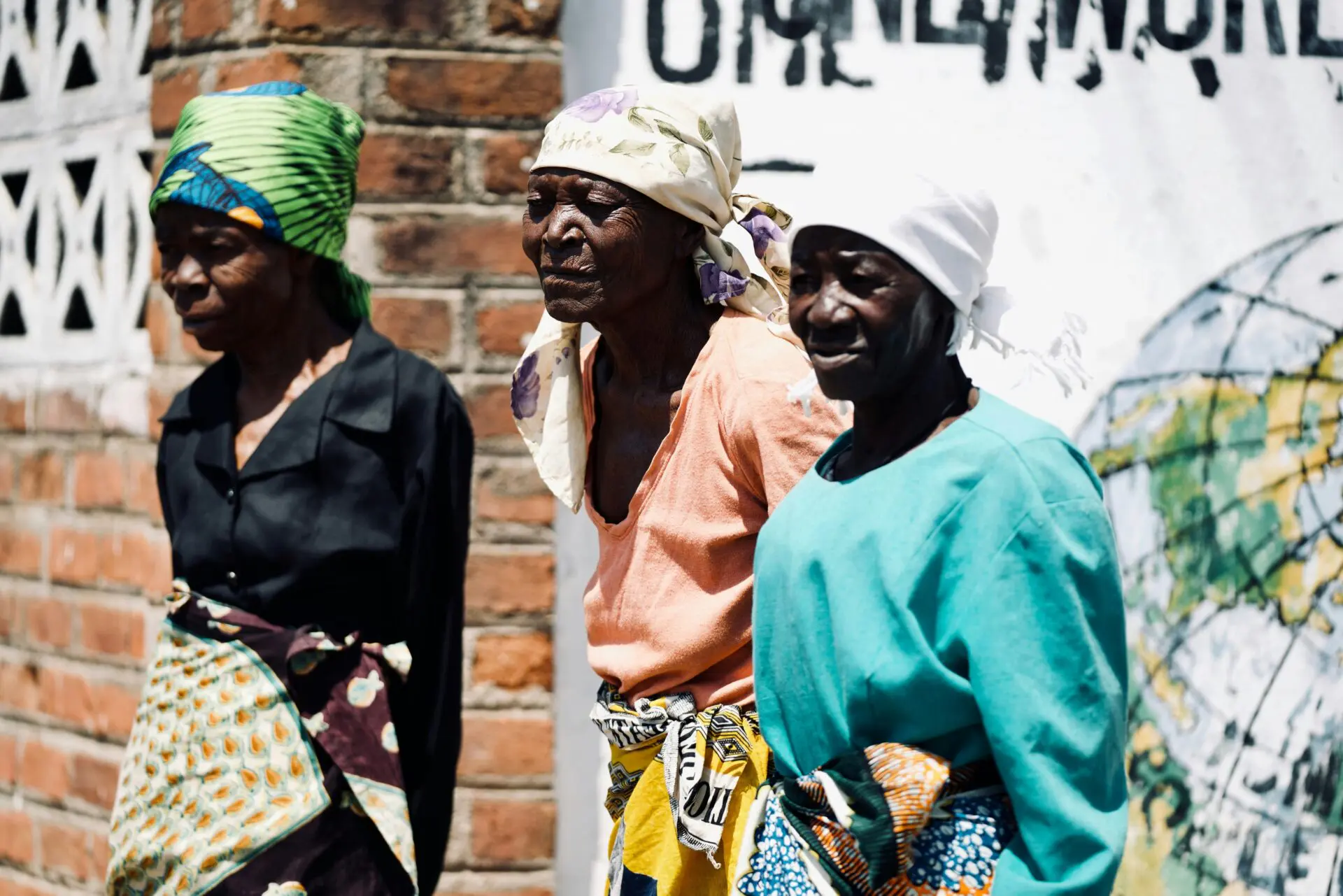
Because nursing and medical school curricula spend little time on multi-cultural health communication or the endocrinology of ageing, Matina argues clinic staff frequently misinterpret these cultural expressions or fail to engage with them altogether.
“You know, I don’t know menopause properly… because sometimes people speak in such big English, so you don’t understand it, unless someone explains it to you,” an older woman in Soweto told researchers.
From stigma to selfhood
When researchers set out to learn about midlife health across South Africa and Zimbabwe, they discovered that women want something different from what their public health systems currently offer.
The women described leaving clinics without accessible information and with lingering physical distress or anxiety over health risks.
When asked what would help, participants explicitly requested clear, contextually relevant information so they could understand their bodies and take charge of their own health regardless of their access to more expensive hormone therapies.
The result is a series of question-and-answer booklets co-created with communities, doctors, translators and designers, which reflect the women’s firm rejection of the “old granny” stereotypes.
The participants banned old-fashioned dresses, which they felt aged menopausal women, and insisted on vibrant, modern images of smiling, active women. Also banished were medical jargon and deficit-based translations of “menopause”.
Instead, they opted for culturally relevant terms of dignity and strength such as Ubufazi in isiZulu and Sesadi in Setswana, both of which simply mean “womanhood”.