Perspectives

Perspectives

Interactive Data Dashboards

Track the HIV & TB response

Key indicators, province breakdowns and downloadable graphs.

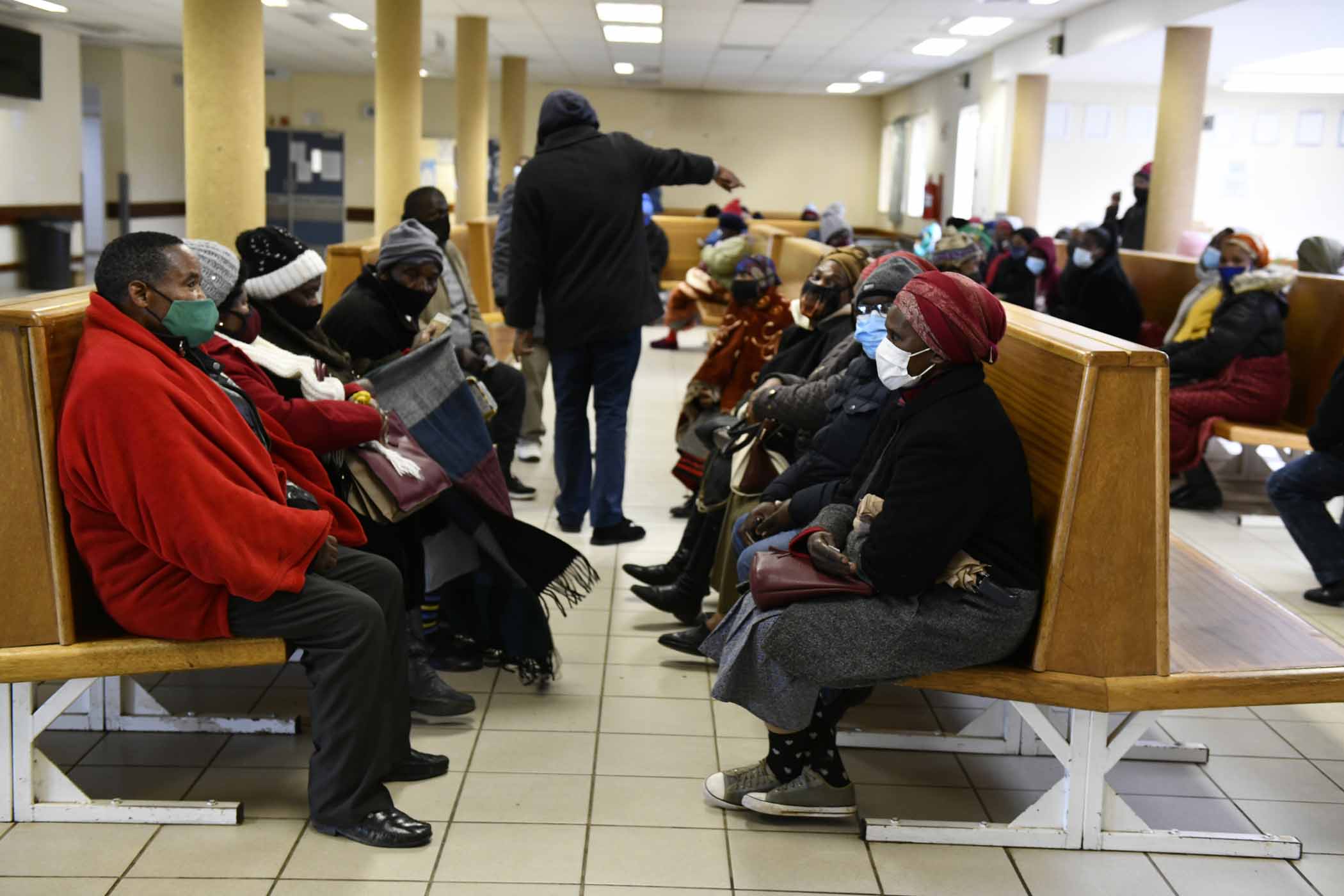
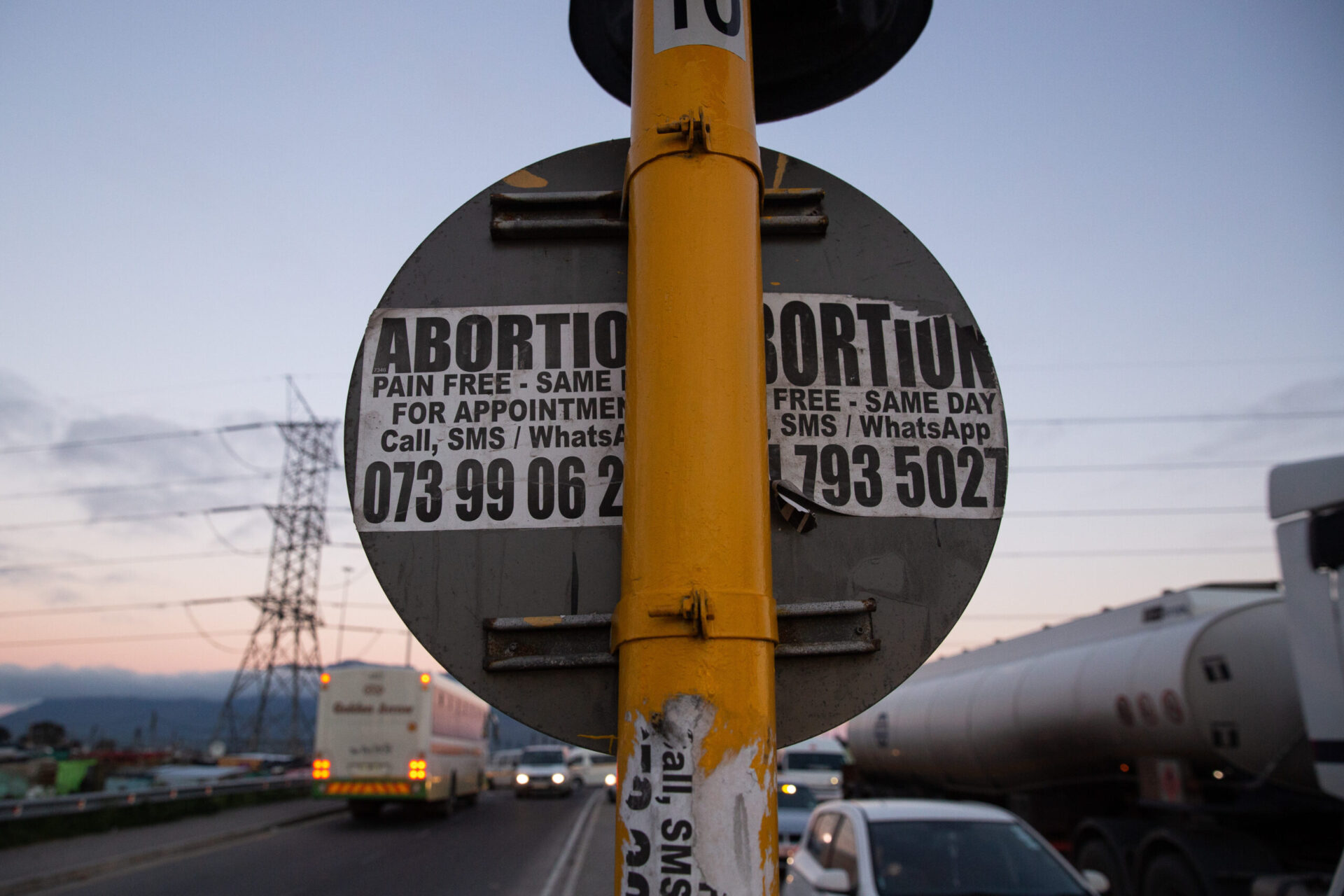
  • Big Acts, little access: The disconnect between SA’s abortion policies and women’s lived realities

    Since the enactment of the Choice on Termination of Pregnancy Act (CTOP Act) in 1996, there has been a significant disconnect between the official policy on safe abortion and its implementation. The situation has worsened with the onset of the COVID-19 pandemic and access to abortion services is now severely limited, write Boitumelo Masipa and…

    ·

  • A look at new abortion guidelines

    The new national clinical guidelines for the implementation of the Choice on Termination of Pregnancy Act serve as an opportunity to strengthen services in providing much-needed clarity and guidance to health workers. Marion Stevens and Nozizwe Conco unpack these guidelines on International Safe Abortion Day.

    ·

  • HIV prevention injection should be fast-tracked like COVID-19 vaccines

    Findings of two large phase III clinical trials first presented in 2020 showed a new HIV prevention injection to be highly effective. Yet, experts expect that the injection will only reach clinics in late 2022 or early 2023. If the rhetoric about bringing the urgency of COVID-19 to HIV is to mean anything, these timelines…

    ·

  • Transparency and action urgently needed on Eastern Cape staffing challenges

    Shortages of doctors and nurses at hospitals in the Eastern Cape is a well-known systemic issue that creates serious challenges for access to quality healthcare. Attempts to access information on how the Provincial Department of Health is addressing or will address this have been unsuccessful, making it hard to hold the department accountable, writes Sibusisiwe…

    ·

  • How to boost the COVID-19 vaccine rollout

    A few weeks ago, South Africa’s COVID-19 vaccine rollout seemed well set. We were consistently administering over 200,000 doses on weekdays and well over a million a week. Government got a few things right, but there’s so much more it can still do.

    ·

  • Reproductive Health – It’s time for a lasting solution to period poverty

    As we commemorate yet another Women’s Month, we are reminded of the many initiatives that have come and gone in an attempt to address the extreme period poverty that continues to plague South African women and girls. It is time to solve this issue once and for all, and to make sanitary towels and menstrual…

    ·

  • Spotlight on Women in Health

    In 1947 the first black woman qualified as a doctor in South Africa. Her name was Mary Malahlela-Xakana. It took the country about 60 years after its first black male doctor started practicing for Malahlela-Xakana to don her stethoscope and practice medicine. Much, but not enough has changed since then, writes Alicestine October.

    ·

  • Community-Led Monitoring Dashboard Reveals the Crisis in SA’s Clinics

    Data collected by the Ritshidze community-led healthcare monitoring project is now being shared through a new, publicly accessible online dashboard. Authors involved with the project explain the kinds of insights this rich new data source can give on healthcare services in South Africa.

    ·

  • Going Local in Health Innovation – It is time and we are ready

    The COVID-19 pandemic has reinforced the need to think global and build locally. The African innovative pharmaceutical sector has the potential to thrive and needs more incentive to grow. A blooming continental sector would serve as a critical and secure source for key vaccines and therapeutics, reducing the need to rely on the goodwill of…

    ·

  • The long and painful road to the Life Esidimeni inquest

    Although individual families of the mental healthcare users who died after they were discharged from Life Esidimeni in 2016 have been compensated for the violation of their constitutional rights, the actors responsible for the deaths, suffering, and torture of the mental healthcare patients have yet to be held criminally accountable. But that could change after…

    ·

  • Without contraception, Limpopo women’s rights are being violated

    The ongoing stockouts of contraceptives grossly violate individuals’ and couples’ reproductive rights but alternative measures have not been put in place. If the issues of access to contraceptives are not dealt with, the country will face a baby boom and a rise in HIV infections at the end of the current pandemic writes Thuthukile Mbatha…

    ·

  • Could community health workers be the answer to reducing Tuberculosis stigma?

    Tuberculosis stigma thrives when TB is spoken about in hushed whispers, or behind closed doors. The truth is anyone who breathes can get TB as it is an airborne disease like COVID-19. We can all reduce the harmful effect of TB stigma in our communities by taking part in activities that break down false and…

    ·