Perspectives

Perspectives

Interactive Data Dashboards

Track the HIV & TB response

Key indicators, province breakdowns and downloadable graphs.

  • HIV incidence in South Africa has halved since 2010

    A new study has analysed the change in the rate of new HIV infections from 2010 to 2019 and found that HIV incidence in South Africa has halved since 2010. This is mainly due to antiretroviral treatment and condom promotion, but male medical circumcision and behaviour change after HIV diagnosis had a role too, writes…

    ·
  • How to capitalise on the opportunity of COVID-19 vaccination sites

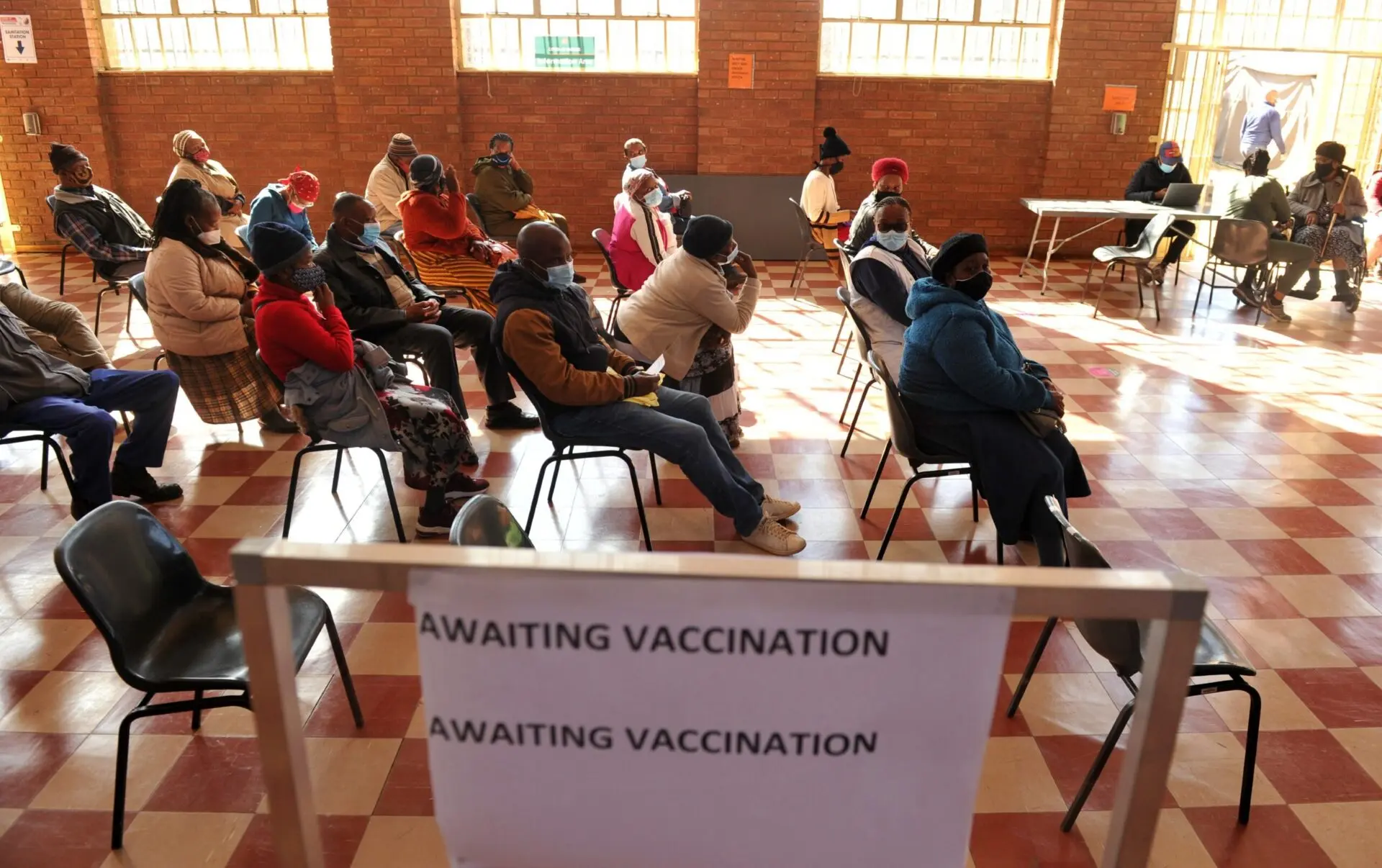
    To combat COVID-19, our country has been able to move millions of people through vaccination sites each month, creating a potential ‘one-stop shop’ for vital health check-ups. In this, healthcare workers have an unprecedented opportunity to reach people they may not otherwise have access to, such as those living with HIV, writes Dhirisha Naidoo.

    ·

  • Funding must be allocated to treat drivers of HIV

    If South Africa wants to strengthen the prevention arm of its HIV programme, which it definitely should, providing comprehensive sex education in schools and training teachers to deliver this curriculum will be vital. It is important that the HIV/AIDS Life Skills Grant, as one of the key pieces of a broader HIV prevention strategy, be…

    ·

  • Is government ready to invest in mental health?

    Mental health does not have its own ring-fenced budget and given huge inefficiencies in our mental health spending, we need to be strategic on where and how we spend the little we have. Alicestine October unpacks what a new government-commissioned mental health investment case framework can mean for access to equitable and quality mental health…

    ·

  • Reflections on a budget of ‘unmet expectations’

    Budgets alone do not solve structural issues, but what it does is provide some insight into the government’s plans for addressing its broader developmental priorities. Russel Rensburg unpacks what the medium-term budget policy statement means for the health sector.

    ·

  • Life Esidimeni Inquest: Journal of a grieving sister

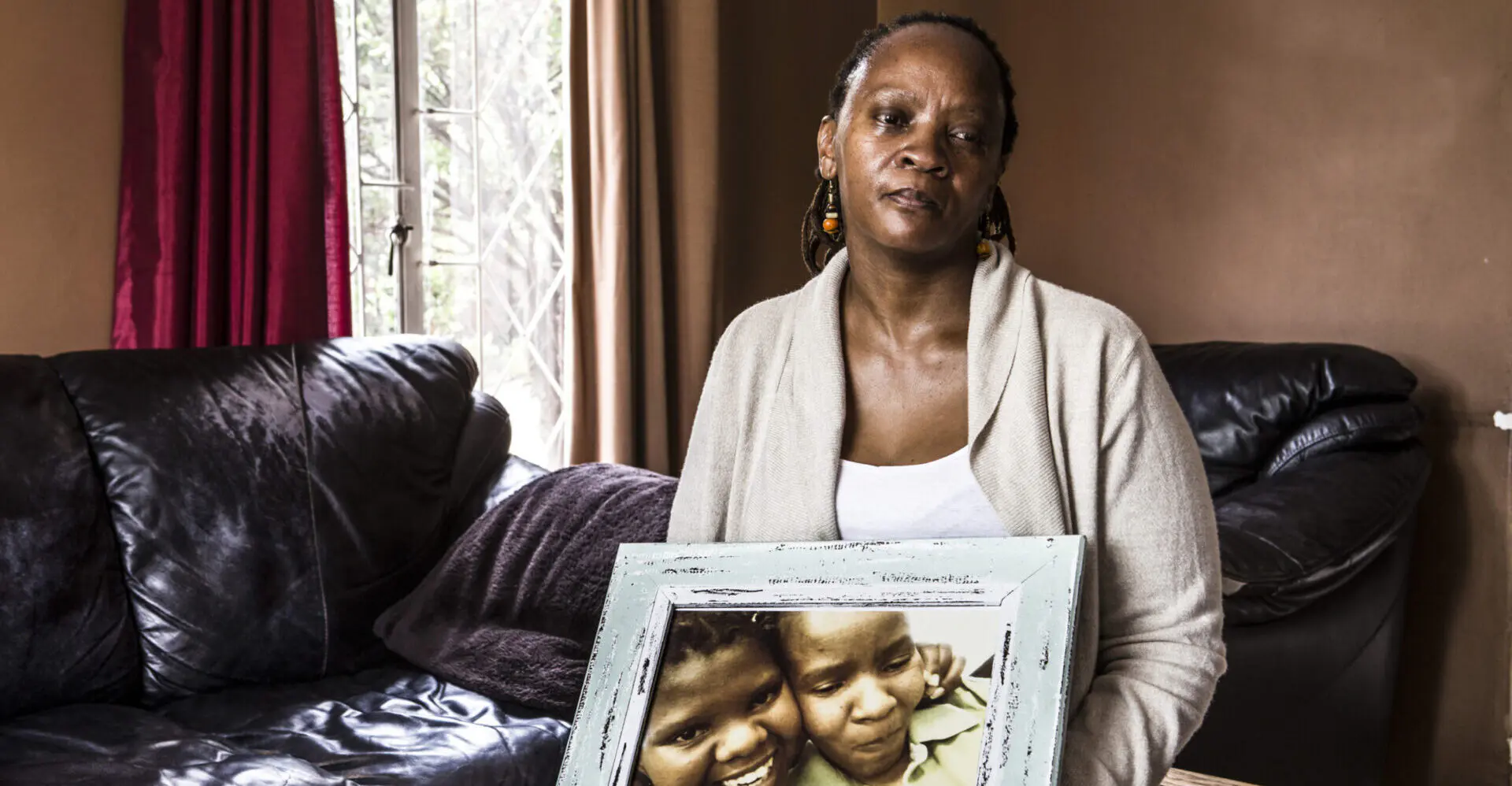
    The Life Esidimeni Inquest that started in July has been postponed until 15 November. This is the fifth postponement, meaning another agonising wait for family members of the deceased. The Inquest is crucial to determine who should be held criminally liable for the deaths of 144 mental healthcare users in 2016. Here one family member,…

    ·

  • Quality Tuberculosis care starts with people

    The world is seeing tuberculosis (TB) deaths increase for the first time in over a decade. To turn things around and to put an end to TB being a leading infectious disease killer globally, we need to make sure the voices of people affected by TB are at the core of developing person-centered, quality TB…

    ·

  • Climate emergency risks becoming a mental health emergency

    Studies have shown that the rate of mental health problems, such as suicidality, anxiety, depression, and post-traumatic stress, increase after natural disasters. Mbalenhle Baduza unpacks the findings of a recent report by the Centre for Environmental Rights on the psychological and mental health consequences of climate change in South Africa.

    ·

  • Mental Health: How are we doing? What do we need to do?

    In its observations on South Africa, the UN Committee on the Rights of Persons with Disabilities (UNCRPD) expressed grave concern regarding the rights of people with psychosocial disabilities. Professor Lesley Robertson looks at our medical model of disability and mental health legislation and unpacks the change needed at the societal and health system levels.

    ·

  • Spotlight on mental health

    In the spirit of mental health awareness month this October, Spotlight will publish a mental health special series in the coming weeks. This is what you can expect.

    ·