Will red tape hold back mix-and-match vaccine boosting in SA?

Will red tape hold back mix-and-match vaccine boosting in SA?

Interactive Data Dashboards

Track the HIV & TB response

Live indicators, province breakdowns and downloadable data.

  • Will red tape hold back mix-and-match vaccine boosting in SA?

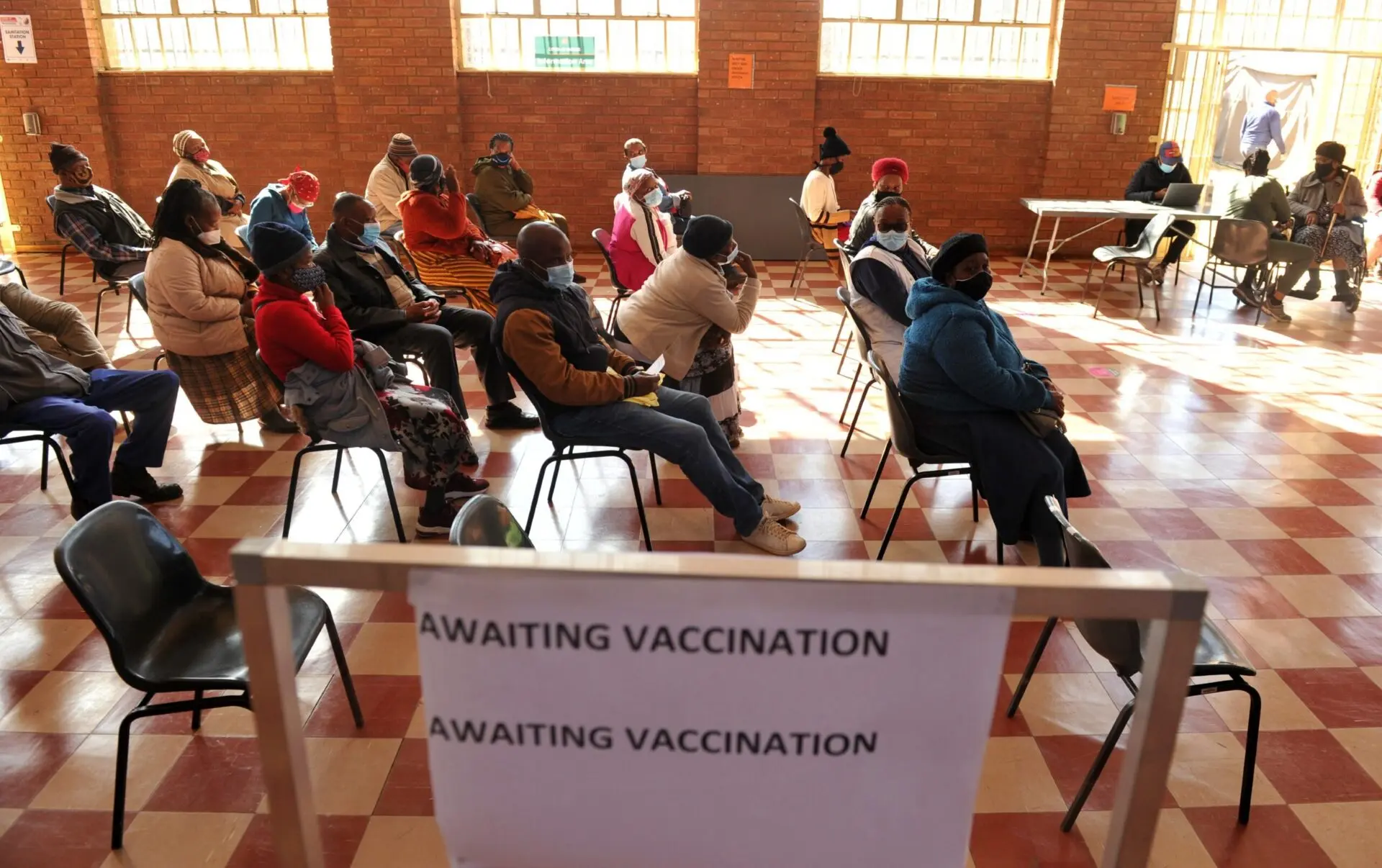
    Unlike regulators in the United States and Europe, the South African Health Products Regulatory Authority has not yet given the green light for any form of mix-and-match COVID-19 vaccine boosting. We take a look at the regulatory issues standing in the way of people in South Africa who received the Johnson & Johnson jab being…

    ·

  • What contraceptives are available in SA and which ones are most popular?

    There are a variety of tools available today to prevent pregnancy including pills, intrauterine devices, subdermal implants, injections, condoms, male and female sterilisation, and emergency contraception. Statistics suggest that people in South Africa do, in principle at least, have access to and are aware of these contraceptive methods, albeit not at the desired levels. Elna…

    ·

  • Hypertension – South Africa’s “silent killer”

    It is estimated that around 45% of men and 48% of women older than 15 years have high blood pressure (hypertension) in South Africa and only about 19% of men and 29% of women who have this condition are aware that they have it. Elri Voigt unpacks the state of hypertension in the country and…

    ·

  • Forty years on, HIV still taking a toll on young people

    “Driving a fast car”; “getting the top three letters”; or “playing the lotto” – nearly 40 years from when HIV was first described, the virus is still a thing of euphemism and stigma. It’s also still infecting at least 4 000 people a day around the world, most of them young people, especially girls and…

    ·

  • Dr Thembisile Xulu on a year as head of SANAC

    On World AIDS Day, Dr Thembisile Xulu, CEO of the South African AIDS Council will share a podium with Deputy President David Mabuza for the country’s official commemoration event in Limpopo. Bienne Huisman spoke to her about how she settled into the CEO role and what keeps her busy.

    ·

  • Are two medicines instead of three the future of HIV treatment?

    One of the biggest breakthroughs in HIV treatment in the 1990s came when three different antiretrovirals were used together, suppressing viral replication in multiple ways and preventing the development of drug resistance. Now, trials are showing that certain combinations of just two antiretrovirals might be as good as three, potentially bringing an end to a…

    ·

  • We should make it much easier for people to start and stay on HIV treatment

    The top priority in our HIV programme should be to make it as easy as possible for people to start and stay on treatment. Yet, as a number of provincial reports released this year by community monitoring group Ritshidze have shown, there are many healthcare system factors that work directly against this objective. Spotlight editor…

    ·

  • How to capitalise on the opportunity of COVID-19 vaccination sites

    To combat COVID-19, our country has been able to move millions of people through vaccination sites each month, creating a potential ‘one-stop shop’ for vital health check-ups. In this, healthcare workers have an unprecedented opportunity to reach people they may not otherwise have access to, such as those living with HIV, writes Dhirisha Naidoo.

    ·

  • Funding must be allocated to treat drivers of HIV

    If South Africa wants to strengthen the prevention arm of its HIV programme, which it definitely should, providing comprehensive sex education in schools and training teachers to deliver this curriculum will be vital. It is important that the HIV/AIDS Life Skills Grant, as one of the key pieces of a broader HIV prevention strategy, be…

    ·

  • Modest improvement at dysfunctional Gauteng clinics, report finds

    Although a new community healthcare monitoring report notes some improvement in filling vacancies at Gauteng clinics, concerns remain over staff shortages and the impact this has on providing quality care, especially to people living with HIV. Thabo Molelekwa reports.

    ·