
featured

featured

Interactive Data Dashboards

Track the HIV & TB response

Key indicators, province breakdowns and downloadable graphs.

  • Staff shortages and long waiting times plague KZN health, report finds

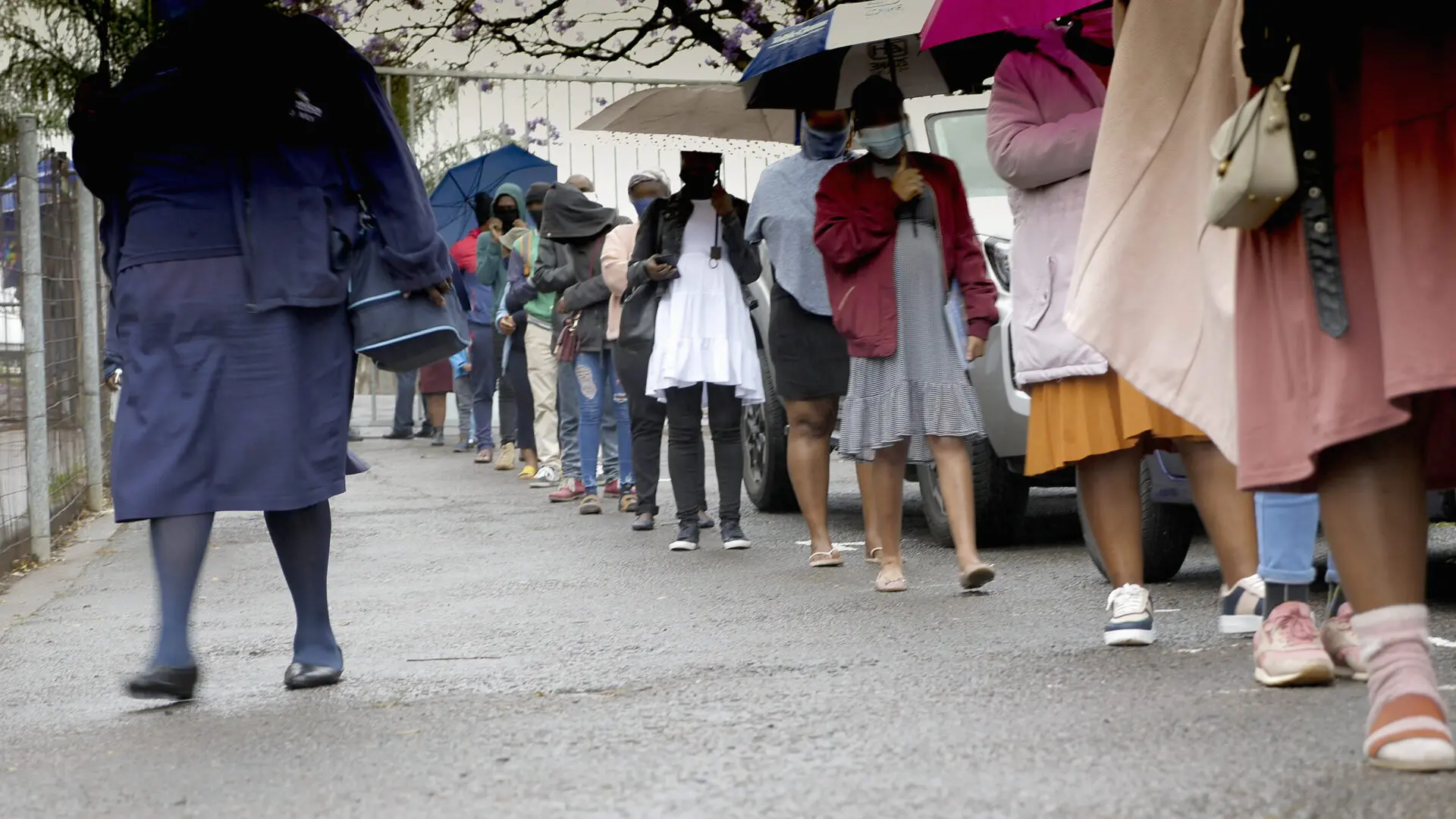
    While KwaZulu-Natal is doing comparatively well on key HIV indicators, the public healthcare system in the province is plagued by staff shortages, long waiting times, poor tuberculosis infection control, and in some cases, dysfunctional filing systems. This is according to a new report from community-led monitoring group Ritshidze. Elri Voigt reports.

    ·

  • Eastern Cape needs mental health services, gets mostly empty promises

    In recent years there have been various reports with damning findings on the state of mental healthcare services in the Eastern Cape. Luvuyo Mehlwana and Alicestine October assess what has and what hasn’t changed after recommendations from the Public Protector, the Health Ombud, the PSC, and the HSRC, and almost as many undertakings in response…

    ·

  • Reflections on a budget of ‘unmet expectations’

    Budgets alone do not solve structural issues, but what it does is provide some insight into the government’s plans for addressing its broader developmental priorities. Russel Rensburg unpacks what the medium-term budget policy statement means for the health sector.

    ·

  • Family focus shows promise for TB prevention

    Tuberculosis (TB) preventive therapy is highly effective in preventing TB disease and death, yet only a few people have access to it. Tiyese Jeranji reports on how Médecins Sans Frontières (MSF) in Khayelitsha is helping TB patients, as well as their contacts, access preventive therapy in the comfort of their homes as part of a…

    ·

  • Experts urge registration of new child-friendly ARV formulation

    Children living with HIV have to take multiple different antiretroviral pills or syrups twice a day, while most adults in South Africa have been offered one pill once a day regimens for around a decade. At the recent South African HIV Clinicians Society (SAHCS) conference, various speakers argued that better treatment regimens for kids are…

    ·

  • Dirty laundry at Eastern Cape hospitals and the plan to deal with it

    Some staff members at Livingstone Hospital in the Eastern Cape say old laundry machines and staff shortages are creating backlogs in getting clean linen, towels, and hospital gowns to patients. Patients, in turn, say they have to sleep on bare and soiled mattresses often with no bedding or dirty linen. Luvuyo Mehlwana reports on the…

    ·

  • Five developments in paediatric tuberculosis

    The screening, diagnosis, and treatment of tuberculosis (TB) in children remain far from optimal – and in many respects lags behind what can be done for adults. Elri Voigt rounds up five developments in paediatric TB presented at the 52nd Union World Conference on Lung Health.

    ·

  • Unpacking the link between HIV and mental health

    Studies show that people living with HIV are often at a higher risk for depression and anxiety, including a higher risk of suicide. Tiyese Jeranji spoke to mental health practitioners, activists, and people living with HIV to unpack the link between HIV and mental health.

    ·

  • Two years later, Kimberley Mental Health Hospital still not at capacity

    This month it is two years since Northern Cape Premier Dr Zamani Saul opened the multimillion-rand Kimberley Mental Health Hospital, calling it a ‘monument of corruption’. By then, Saul said the hospital, which has a capacity of 287 beds, already had 160 patients and will be operationalised in phases. Yet, union Nehawu, community healthcare workers,…

    ·

  • Fingerstick blood test shows promise for TB screening

    The World Health Organization estimates that over four million of the almost ten million people who fell ill with tuberculosis in 2020 were not diagnosed. One obstacle to more people being diagnosed is the fact that most current tests require people to produce sputum – something children and some people living with HIV find difficult.…

    ·

  • Millions spent on security at Gauteng health facilities but concerns remain

    The Gauteng Department of Health annually spends millions on security at its health facilities based on contracts that expired in 2016 and that since have been extended from month to month. Yet, theft, vandalism, and reports of healthcare workers who work in fear at some health facilities continue. Despite this, the department insists that spending…

    ·

  • How are depression and bipolar disorder treated in the public sector?

    It is estimated that “one in ten adults living in South Africa will have experienced major clinical depression at some point in their life but only 25% have sought treatment and care for their mental conditions, such as depression”. Although these estimates are based on the South African Stress and Health (SASH) study, last done…

    ·