Southern Africa is considered a ‘hotspot’, warming faster than the global average. Add the current El Niño event, and the health risks to mothers and babies this summer are sky high. Lebohang Radebe and Darshnika Lakhoo consider what individuals and the state can do to mitigate these risks.
Search online for climate change, or extreme heat, and you will find melting ice, cracked earth, burning forests, and polar bears. You will find surprisingly few human faces.
This is a blind spot. Speaking at COP31 in Turkiye, currently under way, Wellcome Trust’s head of climate change, Alan Dangor, put it plainly.
“The state of the climate is now in reality the biggest indicator of the state of human health.”
Heat in pregnancy has drawn growing attention at this year’s Cop talks. A global call to action, Birthright, was announced which urges governments to protect pregnant women from rising temperatures.
In line with World Prematurity Day that was held on 15 November, we want to focus on one outcome in particular: preterm birth, defined as birth before 37 weeks of gestation. It is the leading cause of death in children under 5 years of age. This day reminds us how many babies are born too soon, and how unequal that burden falls.
Progress in reducing preterm birth has stalled over the last decade and climate change is one of the reasons. So, what does it mean to be born too soon in a rapidly warming world?
Heat is already harming pregnant women and newborns
Over 84 studies worldwide have explored the relationship between heat and preterm birth. The vast majority find that heat causes harm.
The risk rises with both heat waves and general increases in temperature. Our review found that women exposed to a heatwave had a 26% higher odds – a statistical measure that describes how often a preterm birth occurs in a group exposed to heat versus a group that was not exposed – of a preterm birth than those who were not. Similarly, at higher versus lower heat, we found a 12% higher odds.
The burden is not shared equally. In low-income countries, the odds of a preterm birth were 1.61 times higher compared to 1.11 higher odds in high-income countries when exposed to higher versus lower temperatures. Those hardest hit are the countries that contributed the least to climate change and are the least able to cope with it.
Closer to home, research from Soweto has found similar harmful effects. While we still don’t know the exact causes linking heat to preterm birth, ongoing research – including a study conducted by our team at Wits Planetary Health Research – are looking to establish this link.
Heat is not a future threat, it is already putting mothers and babies at risk, in South Africa and worldwide.
A double threat this summer
Heat is not new to this region. Our elders and ancestors have always known and experienced extreme heat, with many heat-resilient strategies built into indigenous ways of living, from housing construction to water management, and farming practices.
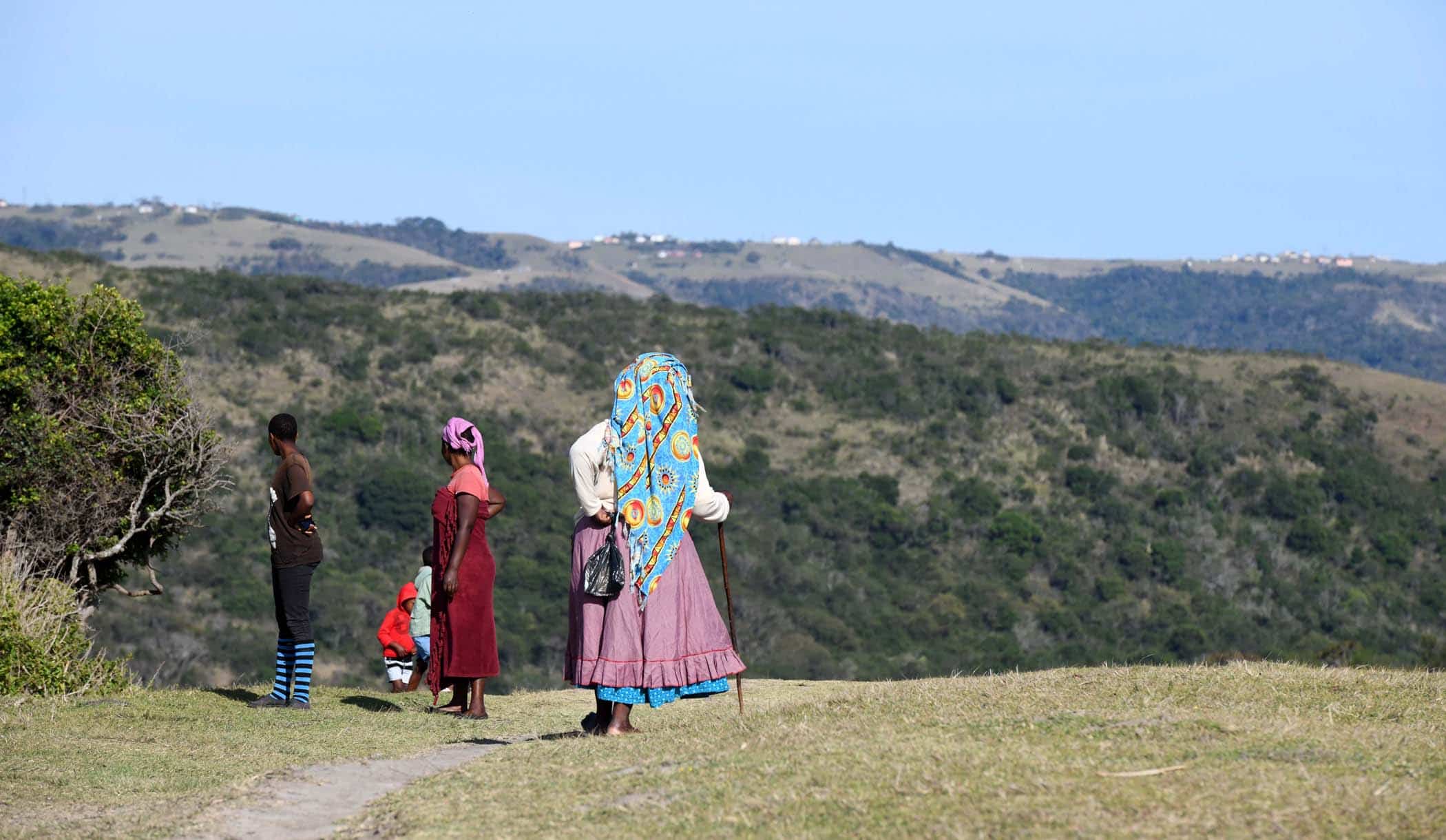
But our climate is changing. Southern Africa is considered a ‘hotspot’, warming faster than the global average. We now experience higher temperatures, more often, and for longer periods than our ancestors did.
This summer adds the strongest-ever recorded El-Nino event. Expect lower than normal rainfall and higher than normal temperatures in the region with a risk of drought. Together, climate change and El Niño put babies at very high risk of being born too soon.
What women and communities can do
We can empower pregnant women and the people around them to take precautions. Anyone pregnant with warning signs should go to a health facility immediately. These include headache, nausea, vomiting, blurred vision, dizziness, fainting or confusion, labour pains before the due date, bleeding or waters breaking, reduced movements from the baby or swelling in hands and face.
More from Spotlight
Listen to weather warnings and keep a water bottle nearby. Drink often, especially when thirsty, breastfeeding or when it’s hot. Wear light, loose-fitting clothing, and a hat in the sun, and avoid outdoor and strenuous work during the hottest hours of the day.
Cool down with whatever is available. Feet in cool water, a wet cloth or damp clothing, a cold bath. Seek shade or cool indoor spaces such as shopping malls, open windows at night, rest with your feet raised, and ask for help.
What governments must do
Individual precautions are not enough. Maternal and child health are the heart of any health system, and the complications from being born too soon, including heart and lung disease, and developmental delays, can last a lifetime.
Government should prioritise both emergency and long-term sustainable funding to maternal and neonatal care. Ring-fenced emergency health funds are needed now to meet the anticipated rise in demand for maternal and neonatal services this summer, so that premature babies have a chance to survive and mothers are adequately cared for.
Sustainable, long-term funding is needed to build climate-resilient health systems that can withstand rising temperatures at the individual, household, community, and health facility level. This also includes routine tracking of premature birth in our healthcare system. In the longer term, South Africa needs a just transition away from fossil fuels to tackle the root cause of the climate crisis.
The timing matters. The World Health Organisation, together with partners, have just published a guideline on heat-health monitoring for maternal and child health. It recommends that countries prioritise tracking preterm birth as a key indicator.
With urgent action now, we can reduce the number of babies being born too soon in a warming world.
*Radebe is the Director for South Africa at Wits Planetary Health Research, and the South Africa Director for the Southern Africa Consortium for Climate Change and Health. Lakhoo is a Senior Research Clinician at Wits Planetary Health Research and a mother to premature babies.
Note: Spotlight aims to deepen public understanding of important health issues by publishing a variety of views on its opinion pages. The views expressed in this article are not necessarily shared by the Spotlight editors.