
How nurses are learning to administer the new HIV prevention injection
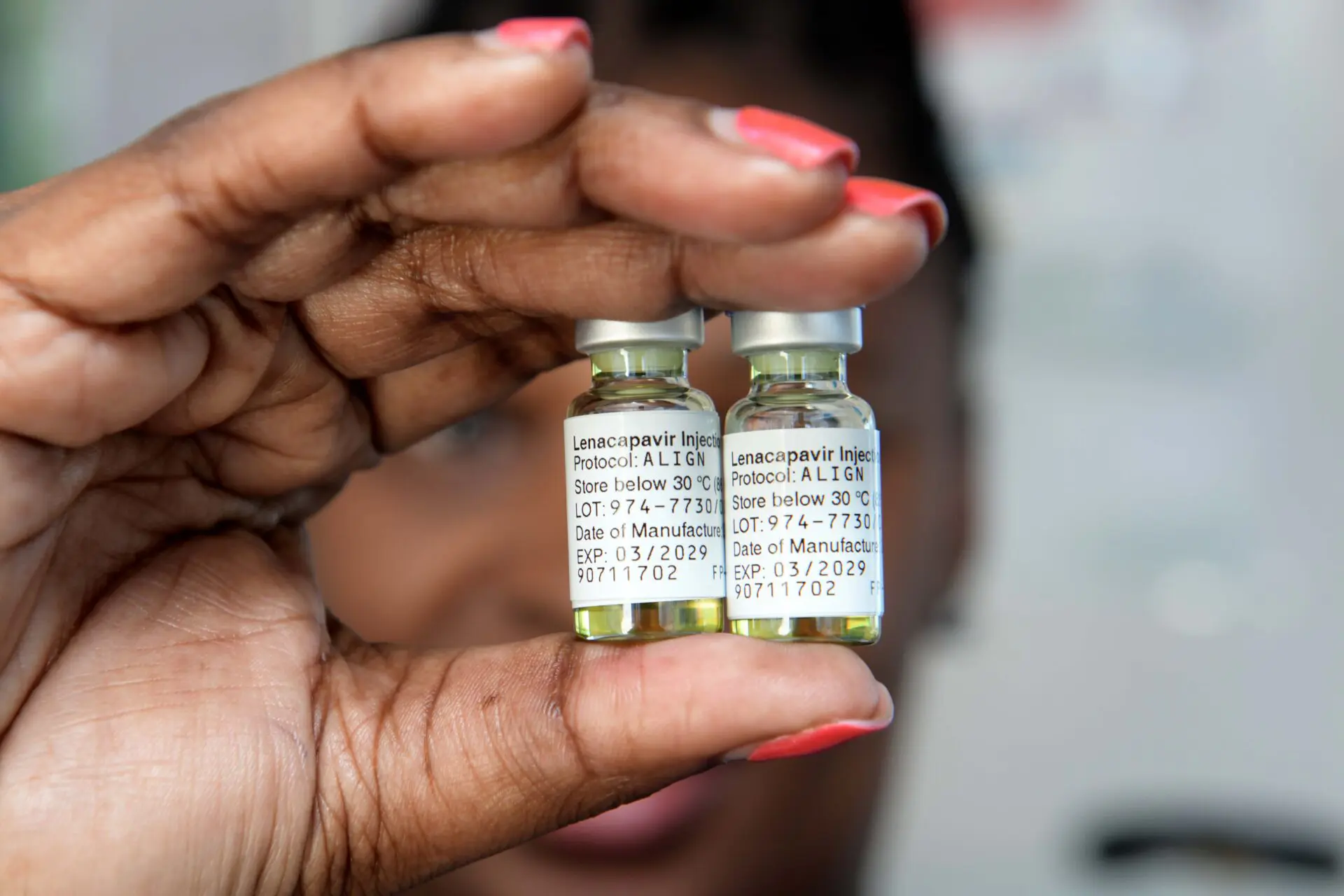 Lenacapavir is administered via two injections of 1.5ml each in the buttocks, thigh, abdomen or upper arm. (Photo: Nasief Manie/Spotlight)
South Africa’s rollout of lenacapavir, a six-monthly HIV prevention injection, requires nurses to learn, adapt and find ways to make it work for patients.
After 26 years in nursing, Sister Keitumetse “Tumi” Senokwane still had something new to learn about giving injections.
The six-monthly HIV-prevention jab, lenacapavir, often referred to as just LEN, presented a unique challenge.
“You know, lenacapavir is different. As much as I’ve got experience with injections, the needle size is different from the subcutaneous (beneath the skin) injections we are used to, and the solution is quite thick,” says Senokwane. “Because we were not used to it, the practical training helped us to get used to it.” She practised withdrawing the yellow liquid, using cooking oil as a stand-in.
That kind of preparation matters because lenacapavir for HIV prevention is being introduced at a time when South Africa still has a substantial need for effective HIV prevention options. The country had an estimated 140 000 new HIV infections in 2025. Modelling suggests that scaling up lenacapavir to 1.4 million to 2.1 million initiations a year by 2030 could avert an average of 32 200 to 51 700 infections annually.

But realising lenacapavir’s potential will depend on more than getting the injection into clinics. It also requires nurses to administer it correctly, answer patients’ questions, and adapt services to their needs.
Getting to grips with lenacapavir
Senokwane is a professional nurse and site manager at Maria Rantho Community Health Centre and Phedisong 1 Clinic in Tshwane, which are participating in the Wits RHI Len4PrEP study.
“LEN4PrEP is an implementation research study, so looking at how we can deliver the product in a real-world setting,” says study investigator Dr Catherine Martin.
The researchers recruited 1 544 participants between November 2025 and June 2026, with follow-up continuing until June 2027. The study began several months before South Africa’s national rollout of lenacapavir on 5 June 2026, when the injection was launched at 360 public health facilities across six provinces.
By 8 October, 76 922 people had initiated LEN nationally, including 36 733 in 133 facilities in Gauteng, according to health department spokesperson Foster Mohale.
For Senokwane and her colleagues, administering lenacapavir meant learning a new HIV prevention method.
Related Posts
Nurses first had to complete a compulsory Nurse-Initiated Management of Antiretroviral Therapy (NIMART) course, which provides a theoretical foundation for managing HIV and antiretroviral treatment. This was followed by practical training in preparing and administering LEN.
Training also covered eligibility, side effects, HIV testing and counselling, with videos and clinical mentorship providing additional support.
Mohale says feedback from early-rollout clinics, nurses and patients would help the department refine its training and guidelines.
At the study clinics, nurses also had to adapt the service to patients’ needs and fit the new injection method into existing care.
The one-stop shop
The Department of Health’s lenacapavir implementation guidelines emphasise counselling clients on their HIV prevention options and helping them choose a method that suits their needs.
At the study clinics, nurses incorporated LEN into existing sexual and reproductive health services, allowing clients to access HIV prevention alongside services such as family planning and STI screening and treatment during a single visit.
“You will get all services in one room like a one-stop shop,” says Senokwane.
“Maybe you are here for lenacapavir, but we also check whether you are on a family planning method. If not, we will give you information and provide a family planning method for you, where we screen you for STIs, and then if you’ve got some infections, we also treat you,” she says.
The LEN4PrEP study also used a mobile clinic to bring HIV prevention and sexual and reproductive health services to young people in their communities.
“So many of our clients already know us. They know how we treat them and the quality of service we provide,” she says.
Initial LEN consultations took longer as nurses explained the available prevention methods and how soon each would offer protection against HIV.
“We give you the information and explain how each method works, how long until it is effective. Participants would like to know when they are going to be protected from HIV if they take this specific method,” says Senokwane.

At the Southern African HIV Clinicians Society’s Long-Acting Antiretroviral Treatment Conference in Johannesburg in September, Wits RHI’s Professor Saiqa Mullick, Director of Implementation Science, shared early findings from the LEN4PrEP study.
She reported that convenience was a major reason participants opted for the lenacapavir jab. They valued not having to take a daily pill or make frequent clinic visits, while the injection offered greater privacy for some. It also attracted people new to PrEP, alongside existing users seeking a method that better suited their lives.
Pre-exposure prophylaxis, or PrEP, refers to antiretroviral medicines taken to prevent HIV infection. When used as prescribed, oral PrEP has been shown to reduce the risk of HIV infection from sex. For several years now, HIV prevention tablets have been widely available in South Africa’s public healthcare system, although uptake has been somewhat muted with only around 350 000 people taking the tablets in mid-2025, according to estimates from Thembisa, the leading mathematical model of HIV in South Africa.
Of the 1 538 participants whose method choices were reported, 85.8% selected the lenacapavir shot, compared with 13.7% who selected the prevention pills and 0.5% who chose not to use PrEP.
“People want options that fit into their lives,” Mullick told delegates.
Sticking the landing
Patients could also choose where in the body to receive the injections: the upper arm, buttocks, abdomen or thigh.
Among the 1 319 participants who started LEN, Mullick says approximately 50% of women preferred the buttocks, while about 51% of men preferred the upper arm. The ongoing study will explore both men and women’s reasons for injection-site preferences.
For nurses, the challenge was to administer the injections correctly while making the process as efficient as possible.
Lenacapavir requires getting two injections during the same visit. Patients also need to take two lenacapavir tablets on the day of their first injections, followed by another two tablets 24 hours later. These tablets form part of the initiation dose before they continue with injections every six months.
Senokwane says a Wits RHI pharmacist taught her a way to withdraw the solution while keeping the vial upright, rather than turning it upside down.
“That was the best method for me because it worked faster,” says Senokwane.
“So with that method, you pull up 1.5 ml of air into the syringe and inject the needle into the vial. [The syringe] draws at least one ml by itself, without assistance, which allows the nurse to multitask. And then you also save time because you are able to prepare two injections at the same time,” she says.
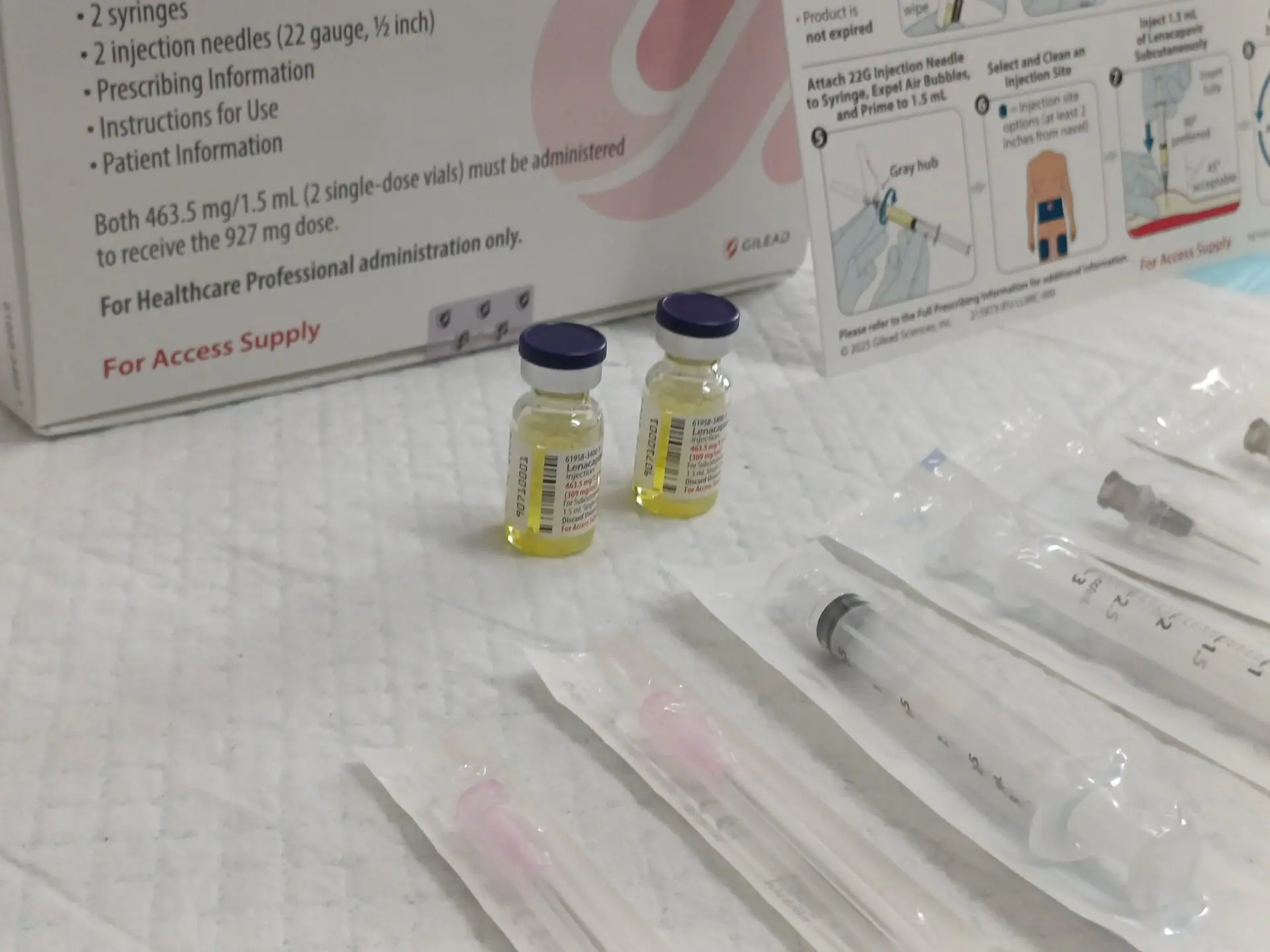
But efficiency was only part of the learning curve. Because lenacapavir is a thick solution, it needs to be injected slowly.
“I wish I knew that you can’t inject it fast,” Senokwane said. The thick solution required a slower injection technique to reduce leakage.
Slow administration was included in nurses’ initial training, but its importance in minimising leakage was reinforced as they gained practical experience and shared lessons with colleagues.
Dr Martin says that in the early stages of implementation, nurses consulted experts, including those involved in clinical trials, on how to manage leakage at the injection site.
“As local experience grew, they learnt to reassure participants that minor leakage could occur and to assess more substantial leakage to determine whether further follow-up was needed.”
Answering patient concerns
Patients were also concerned about the side effects of lenacapavir.
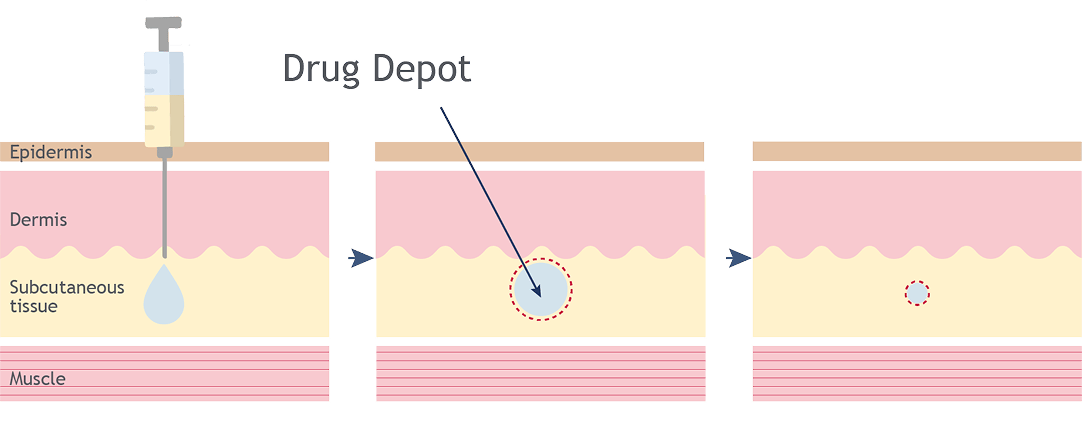
Lumps or small nodules at the injection site are a common side effect of lenacapavir. In one clinical trial, which included 2 140 participants who received lenacapavir, roughly 64% developed subcutaneous nodules at the injection site.
“Most of the clients were curious about the nodules. They were worried about whether they would be able to continue with their normal activities, especially those who wanted to exercise,” says Senokwane.
“They wanted to know how long the nodule would last and whether they would get another one when they came back for their second injection. Usually, by the time they came for their next injection, the nodule would have disappeared.”
Others were worried about the pain.
“We advise them that if the nodule comes with pain, just use a warm or cold compress, or you can even use a painkiller,” explains Senokwane.
Mullick says addressing these concerns and discussing them with clients in advance is part of making the injection work for patients in practice.
“This might seem something relatively small, but from an implementation perspective, it contributes considerably to the person receiving the product.”
Making it work in real time
As nurses became more familiar with administering lenacapavir, the clinics also refined how they moved patients through the service, from the initial consultation to receiving the injection.
Patients first met a navigator who explained the available services. After registration, an HIV test and a check of their vital signs, they saw the research nurse.
The clinics later began using the waiting time more effectively, with navigators introducing patients to PrEP and other services before their consultations.
Initially, appointments could take about an hour and a half. As the clinics refined their workflow and nurses became more familiar with the process, Senokwane says visits took about an hour or less.
“Training manuals and guidelines provide all the theoretical knowledge and framework for delivering lenacapavir,” Martin explains.
“But, that real-world experience gives you a little bit more insight into things that you can only learn by working with clients.”
Each one teach one
Senokwane’s experience eventually helped her become a mentor to other nurses.
“The mentorship was really very important. We’ve got support from our pharmacist, and then we’ve got support from our sub-investigator at site. So everyone needs to be mentored until you are really 100% sure that you can do it on your own,” she says.
When non-research nurses started providing lenacapavir in June at the study sites, she went there to demonstrate the technique. Some nurses she had trained also helped their colleagues.
“They were always grateful that we really helped them. So they really appreciated it. The more you practice, the better you become,” says Senokwane.
Lessons from the clinics also informed training. Videos demonstrating how to prepare and administer lenacapavir were produced by Wits RHI, alongside webinars. Martin says the videos would be incorporated into future training.
“It’s always helpful to see something in practice. With a new product, although it can be explained theoretically, it is helpful to actually see a provider and a client interaction,” she says.