World Health Organization

World Health Organization

Interactive Data Dashboards

Track the HIV & TB response

Key indicators, province breakdowns and downloadable graphs.

  • Dr Lebogang Phahladira on his journey from studying by candlelight to winning a major schizophrenia research award

    In his Twitter biography, Dr Lebogang Phahladira describes himself as “a rookie clinician-researcher who keeps trying and trying”. This clearly paid off, as Phahladira earlier this month received a major global schizophrenia research award. As part of Spotlight’s coverage on mental health this month, Biénne Huisman spoke to him about growing up in rural Limpopo,…

    ·

  • HIV Testing is changing in South Africa, here’s why it’s a good thing

    South Africa has been using HIV Rapid Diagnostic Tests (Finger prick same-day testing) for years. Now, the National Department of Health has decided to align with the World Health Organization’s recommendation of a new three-test algorithm to ensure accuracy of results. René Sparks unpacks why this is important.

    ·

  • Should SA’s public hospitals go solar?

    For businesses and households that can afford it, solar panels and batteries offer a way to keep the lights on during South Africa’s ongoing bouts of loadshedding. Such technologies may also offer a solution for healthcare facilities, where a reliable energy supply can be a matter of life and death. Nthusang Lefafa spoke to stakeholders…

    ·

  • As with COVID-19, the effects of TB can linger long after it is cured

    According to the World Health Organization, of the roughly 10 million people who fall ill with TB annually, over 80% survive, in most cases due to a six-month treatment course. Unfortunately, as with long COVID, being cured is not always the last hurdle and many people go on to struggle with post-TB lung disease. Tiyese…

    ·

  • Testing stool can help detect TB in kids

    Diagnosing tuberculosis is difficult in people who struggle to cough up sputum samples – a particular problem in children and people living with HIV. One promising alternative to testing sputum is to test stool. Tiyese Jeranji unpacks the latest developments in this area.

    ·

  • New resistance tests set to improve TB treatment

    Tuberculosis (TB) can be resistant to treatment with several different drugs. Tests that identify which drugs someone’s TB is resistant to are critical to ensuring that people are not treated with drugs that don’t work for them, especially given the significant side effects associated with some of the drugs. Elri Voigt assesses the state of…

    ·

  • 56 000 TB deaths in SA in 2021, estimates WHO

    In 2021, an estimated 304 000 people in South Africa fell ill with tuberculosis and 56 000 died from the disease, according to new World Health Organization (WHO) figures released on Thursday. Elri Voigt unpacks the latest findings and asks local experts for their responses.

    ·

  • The complex relationship between TB and mental health

    Tuberculosis (TB) disease and all the disruption and stress that goes along with it can take a toll on someone’s mental health, and mental health problems can in turn make someone more vulnerable to TB. In the wake of World Mental Health Day 2022, Tiyese Jeranji explores the complex links between mental health and TB.

    ·

  • Smart pill box can help with TB treatment, but it’s not for everyone

    Tuberculosis can be cured, but completing TB treatment can sometimes be difficult. Treatment takes a minimum of six months and some of the medicines have side effects – especially those used to treat drug-resistant forms of TB. Tiyese Jeranji asks what role smart pill boxes could play in helping people complete TB treatment.

    ·

  • Vaccine partnership with US government boosts prospects for local production

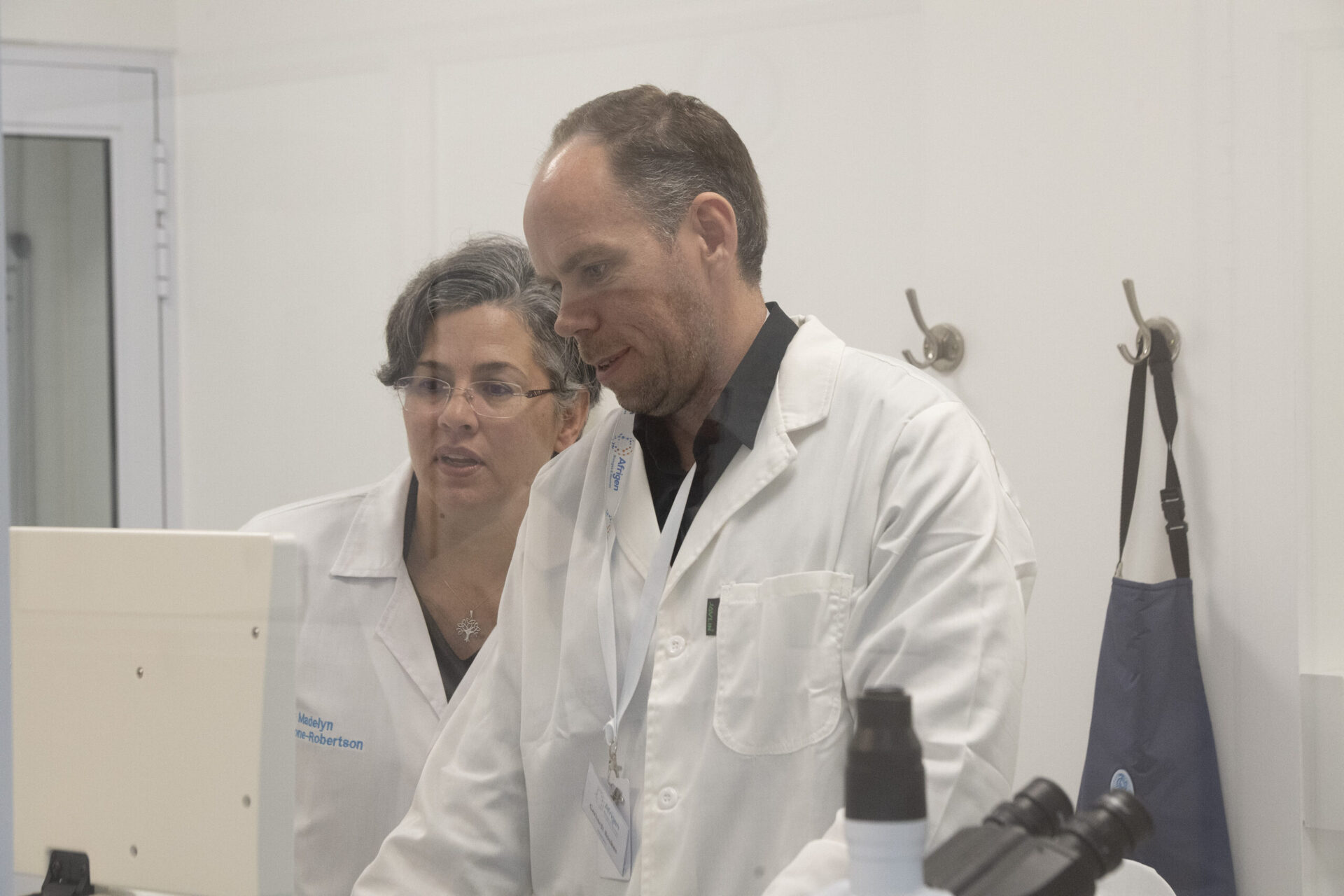
    Earlier this month Cape Town-based vaccine company Afrigen announced a formal collaboration with the United States National Institute of Allergy and Infectious Diseases’ (NIAID’s) Vaccine Research Centre. Catherine Tomlinson unpacks what this deal may mean for local production of vaccines for COVID-19 and other diseases.

    ·

  • Shorter, simpler DR-TB regimen expected later this year

    A new six-month treatment regimen for drug-resistant forms of tuberculosis is expected to be rolled out in the public sector later this year – current regimens take anything from nine to 18 months. Catherine Tomlinson unpacks why the switch is important and outlines what still needs to happen to make it a reality.

    ·