child health

child health

Interactive Data Dashboards

Track the HIV & TB response

Key indicators, province breakdowns and downloadable graphs.

  • TB treatment to be shortened to 4 months for most kids

    South Africa last published comprehensive guidelines for the management of childhood tuberculosis (TB) in 2013. Almost a decade later, the guidelines are being updated to recommend a shortened TB treatment regimen for most children with pulmonary TB. Catherine Tomlinson reports.

    ·

  • Experts welcome new HIV treatments for kids

    New child-friendly formulations of several important antiretroviral medicines were recently approved by the South African Health Products Regulatory Authority. Thabo Molelekwa asks what this means for children living with HIV in South Africa and how long it will take for these medicines to become widely available.

    ·

  • Poor vaccine coverage risks measles outbreak, experts say

    A recently published survey found that only 76.8% of children surveyed have received all their required childhood vaccines. Elri Voigt unpacks the survey findings and asks whether a recent measles outbreak in Gauteng may be a harbinger of worse outbreaks to come.

    ·

  • How can we reduce incidence of cerebral palsy in SA? Part 2

    It is estimated that around half of medical negligence claims against the South African government are cerebral palsy-type claims. Apart from the direct impact on infants and families, cerebral palsy thus also has a major impact on health budgets. In this second article in a two-part series, Elri Voigt asks what can be done to…

    ·

  • RSV: Virus that threatens infants again circulating in 2022

    Respiratory Syncytial Virus (RSV) is estimated to affect 64 million people and claim around 160 000 lives around the world every year. Infants are most vulnerable and there is no effective treatment or vaccine. Tiyese Jeranji asks what we know about RSV in South Africa.

    ·

  • How and why pain management for children is falling short in SA

    Access to pain management for infants and children in South Africa is inequitable, inconsistent and poorly resourced, resulting in unnecessary and avoidable suffering. Elsabé Brits investigates the state of paediatric pain management in South Africa and asks what can be done to bring pain relief to more infants and children.

    ·

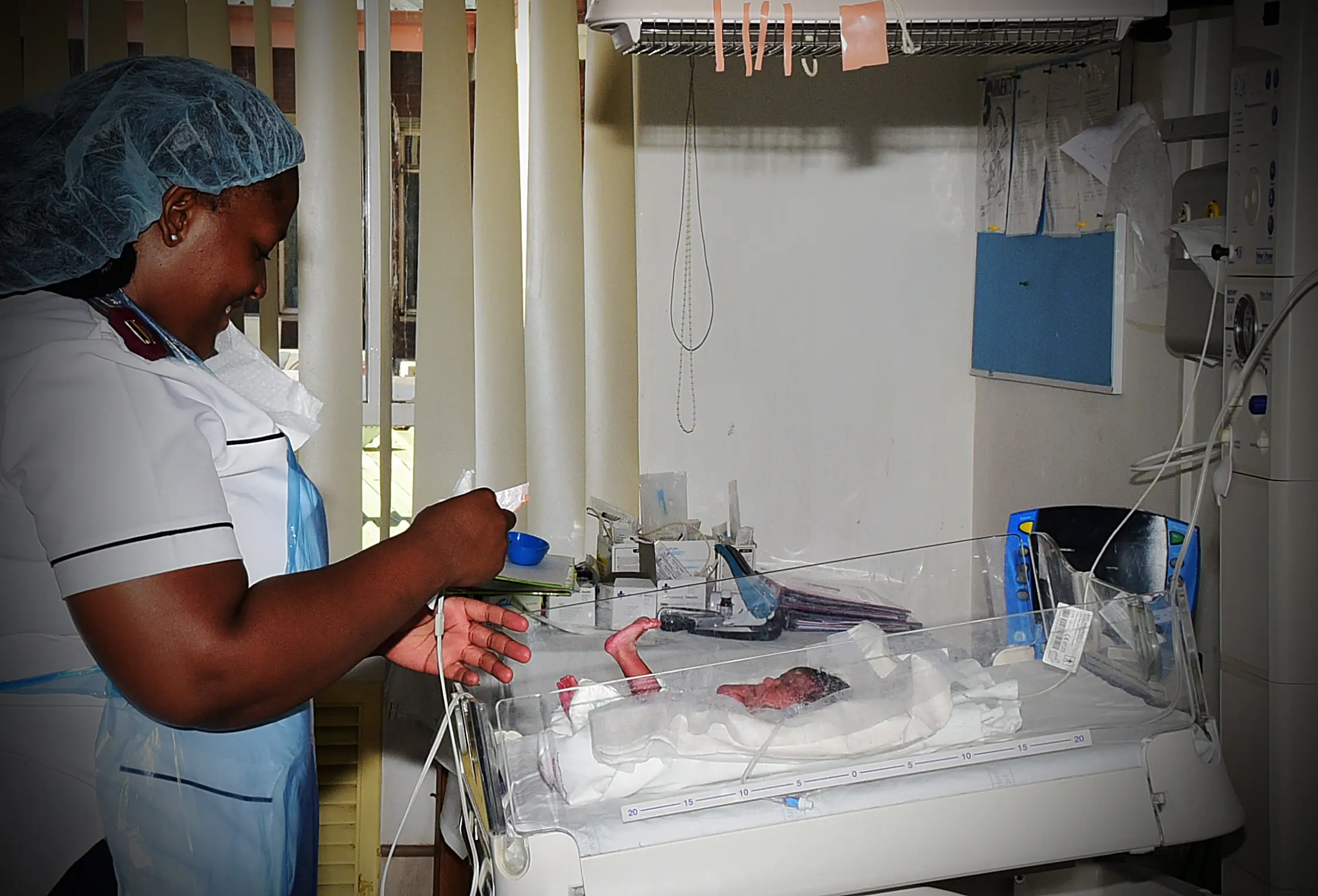
  • Risk to newborns increasing as antibiotics stop working

    The number of newborn babies dying from neonatal sepsis is rising as the antibiotics used to treat them are not working effectively, a landmark international study has found. Adele Baleta reports on the findings and their implications for newborns in South Africa.

    ·

  • COVID-19 has been hard on kids, more support is needed

    A rise in teenage pregnancies and gender-based violence coupled with the loss and uncertainty related to COVID-19 are all stressors fuelling the mental health burden the pandemic will leave on children, especially girls. If not adequately addressed, argues Kholofelo Mphahlele, the mental health consequences for a generation of children and young people could far surpass…

    ·

  • Omicron in children: What we have learnt so far

    Early in South Africa’s fourth COVID-19 wave, dominated by the Omicron variant, concerns were raised on what appeared to be an increase in hospitalisations among children. A few months on, Elri Voigt asks local experts what we have learnt about the Omicron variant in children.

    ·

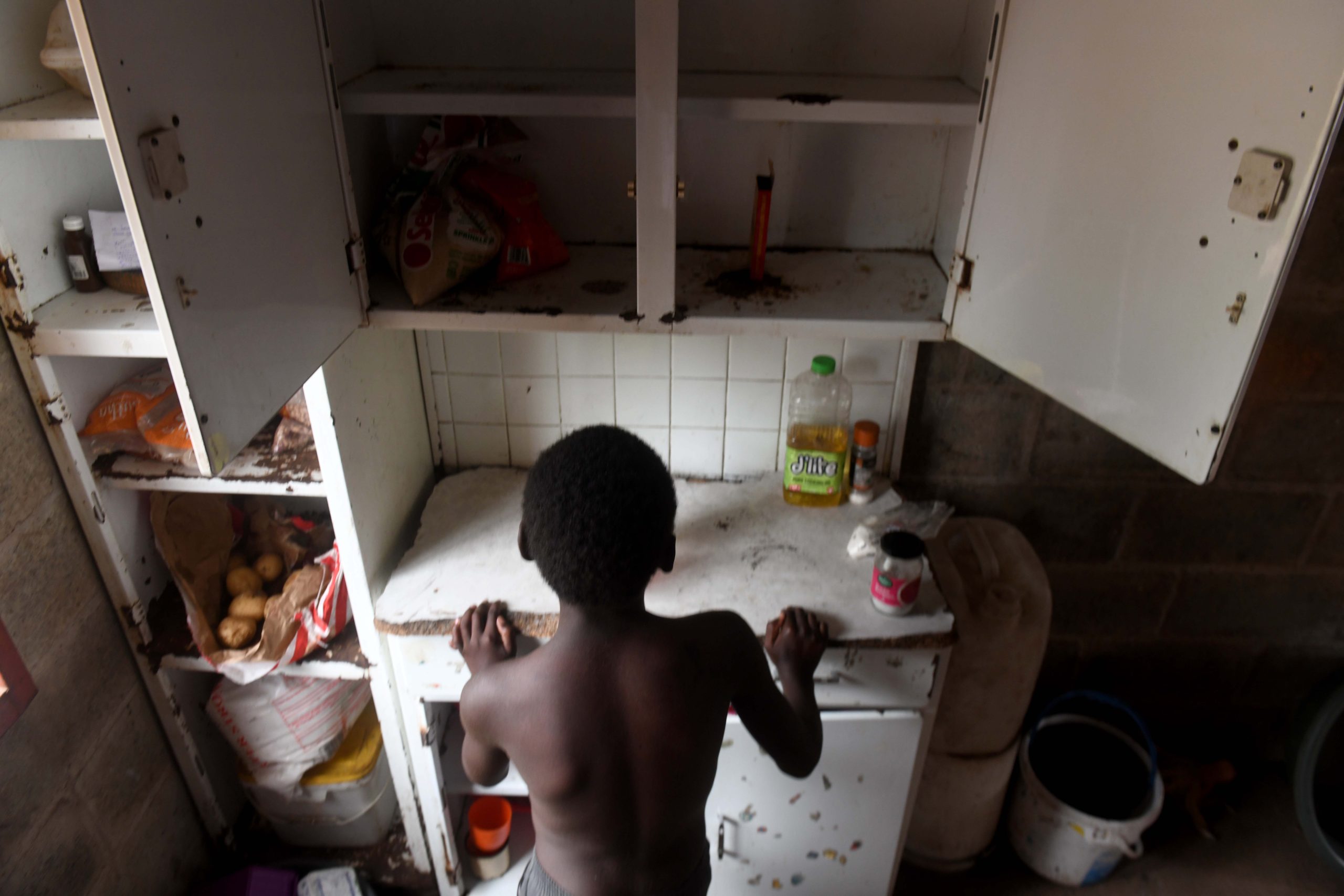
  • Report raises concern over child nutrition in rural Eastern Cape

    Findings from a study conducted in Mqanduli in the Eastern Cape show the prevalence of stunting among children younger than five for that area was 24%. Luvuyo Mehlwana unpacks the findings and the plans the provincial health department has in place to address the risk factors driving stunting among children in the Eastern Cape.

    ·

  • Experts urge registration of new child-friendly ARV formulation

    Children living with HIV have to take multiple different antiretroviral pills or syrups twice a day, while most adults in South Africa have been offered one pill once a day regimens for around a decade. At the recent South African HIV Clinicians Society (SAHCS) conference, various speakers argued that better treatment regimens for kids are…

    ·

  • How to protect hospitalised infants from dangerous germs

    Outbreaks of hospital-acquired infections such as Klebsiella have claimed the lives of infants and made headlines on a number of occasions over the last decade. Tiyese Jeranji looks at how the germs involved spread, how common these infections are, and what can be done to prevent outbreaks.

    ·