
Latest News

Latest News

Interactive Data Dashboards

Track the HIV & TB response

Key indicators, province breakdowns and downloadable graphs.

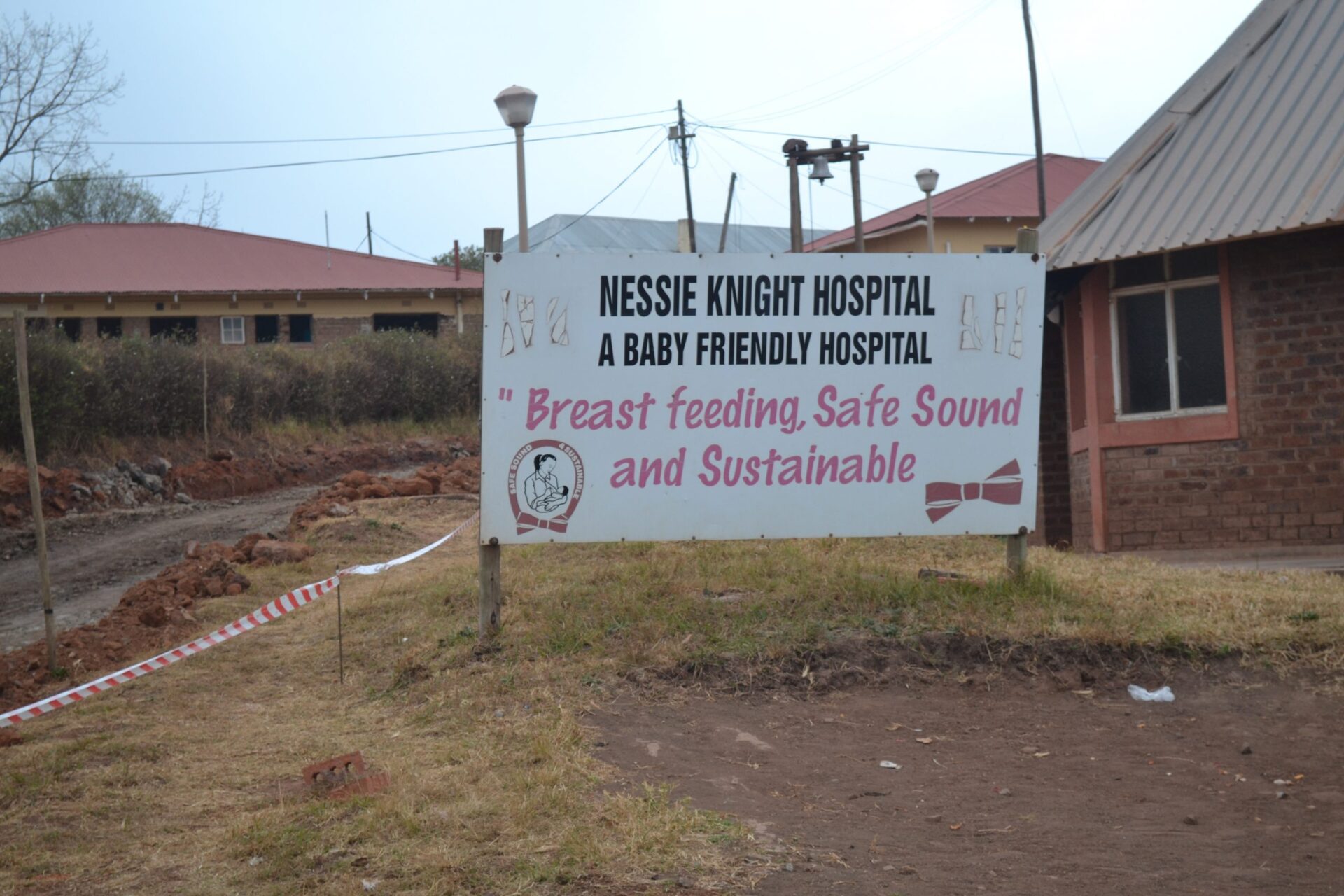
  • Dire conditions at Mthatha General and Nessie Knight hospitals

    The dire state of health infrastructure and services in the Eastern Cape has made headlines during the COVID-19 pandemic and triggered promises of government intervention, but in some hospitals those providing and receiving healthcare note little to no improvement. Luvuyo Mehlwana reports.

    ·

  • Underpaid and Unprotected – The case for supporting Community Health Workers

    If we are serious about Universal Health Care, we need to match the commitment shown by community health workers (CHWs). Not only must their contribution to the pandemic response be adequately recognised, but CHWs deserve a say in health policymaking and implementation that affects them, the authors argue.

    ·

  • SA is facing a healthcare worker crisis – What to do?

    Many healthcare workers are rightly identified as heroes of South Africa’s COVID-19 response. Yet, often healthcare workers are given very little support in the public healthcare system, something that may get worse as healthcare worker shortages get more acute in the coming years. Kathryn Cleary investigates.

    ·

  • Mental health: Are medicine shortages fuelling a shadow epidemic?

    Almost half of the most commonly used medications to treat mental illness in South Africa were out of stock in August, and many have been in short supply since March. Now, experts warn that amid the COVID-19 outbreak, the nation could see a “shadow epidemic” of psychiatric illness. Laura Lopez Gonzalez investigates.

    ·

  • Dr Keith Cloete, from District Six to COVID-19 engine room

    Dr Keith Cloete became head of the Western Cape Health Department on April 1 2020, two weeks into South Africa’s COVID-19 lockdown level 5. Biénne Huisman asked him about the long road from a childhood in District Six to the blur of meetings in the Western Cape’s COVID-19 engine room.

    ·

  • As COVID-19 numbers fall, much remains uncertain

    How many people have actually died of COVID-19 in South Africa and what do we know about the possibility of a second wave? As the first, and hopefully the only, substantial wave of infections and death recedes, Spotlight Editor Marcus Low assesses the many remaining uncertainties.

    ·

  • Some TB patients still required to take pills in front of witnesses

    Some tuberculosis patients in South Africa are still required to take their pills in front of a healthcare worker or family member. Is this a justified means of ensuring people take their medicine, or is it an invasion of personal autonomy? Elri Voigt asked local TB experts.

    ·

  • COVID-19: What life is like in Khayelitsha after the surge

    On alert level two of South Africa’s lockdown and despite authorities warning against complacency, residents in places such as Khayelitsha are not just more relaxed, but many are abandoning COVID-19 safety precautions. Siyabonga Kamnqa reports.

    ·

  • What PPE graft means for NHI

    Even as the need for a more equitable health system is being demonstrated, news has broken of large-scale corruption in the procurement of PPE. This makes it difficult for a population worn down by corruption to envisage the transformation of the health system into a system of contracting and procurement under National Health Insurance, writes…

    ·

  • COVID-19: How mechanical ventilation has saved lives at Groote Schuur Hospital

    While high-flow nasal oxygen has been one of the success stories of the COVID-19 pandemic, it is not always enough. Sometimes more invasive mechanical ventilation is required. Tiyese Jeranji spoke to Professor Ross Hofmeyr on what mechanical ventilation entails and the measures his team at Groote Schuur Hospital in Cape Town have employed to successfully…

    ·