Living with a stoma in SA – we deserve better

Living with a stoma in SA – we deserve better

Interactive Data Dashboards

Track the HIV & TB response

Live indicators, province breakdowns and downloadable data.

  • Living with a stoma in SA – we deserve better

    Our public health system is creating a new type of disability – ostomates who, with access to the necessary care and medical consumables could live long and fulfilled lives, but who every day are subjected to the indignities of inadequate care, writes colorectal cancer survivor and ostomate, Faizel Jacobs.

    ·

  • SA to receive donation of new child-friendly DR-TB medicines

    South Africa’s National Department of Health is set to receive a donation of child-friendly formulations of several medicines used to treat drug-resistant tuberculosis (DR-TB). It is expected that over the next year the donation will spare roughly 200 children the substantial difficulties associated with taking DR-TB medicines meant for adults.

    ·

  • Spotlight on Health: 2022 in under 1 000 words

    An HIV prevention injection approved in South Africa, several promising developments on the tuberculosis front, the National Health Insurance Bill grinding its way through Parliament, no end in sight to healthcare worker shortages, another dire year for health in Gauteng – Spotlight wraps up 2022 in under 1 000 words.

    ·

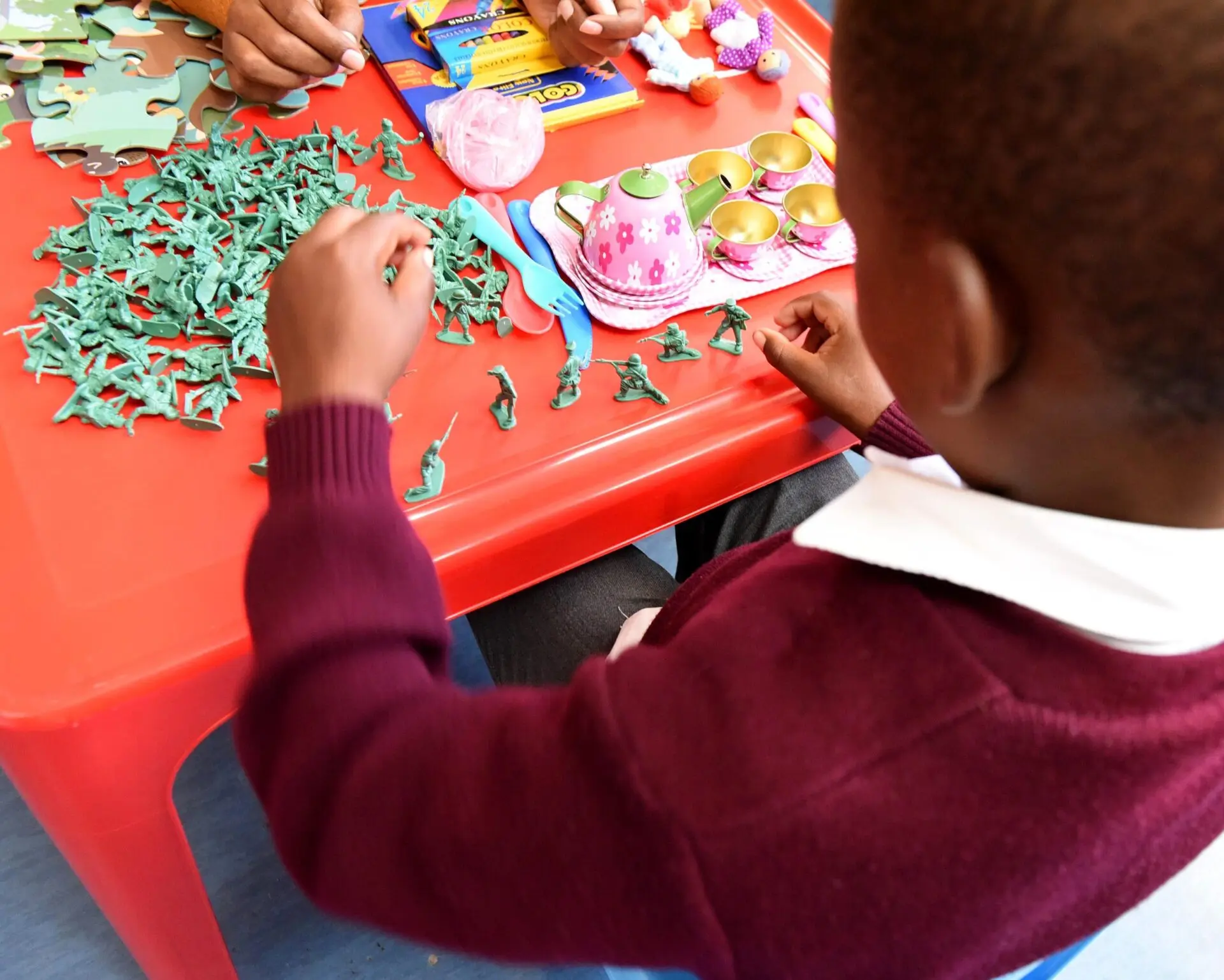
  • Pilot programme improving access to mental health services for kids in Khayelitsha

    Earlier this year, the annual Child Gauge indicated that child and adolescent mental health services in South Africa are in crisis – mostly due to inadequate resources. How to best provide such services within the constraints of our public healthcare system is an open question. Tiyese Jeranji visited the Michael Mapongwane Community Health Centre in…

    ·

  • How well did SAHPRA do in 2022?

    The South African Health Products Regulatory Authority has often made the headlines in recent years – be it in relation to COVID-19 vaccines, access to ivermectin, the approval of an HIV prevention injection, or most recently the clearing of inherited backlogs. Catherine Tomlinson assesses the state of South Africa’s medicines regulator as 2022 draws to…

    ·

  • An open letter to us girls who still shoulder much of the HIV burden in South Africa

    In an open letter to young women in South Africa, Faith Fikizolo reminds us that meaningful comprehensive sex education is an important lever in ensuring girls and young women are fully empowered to exercise their sexual and reproductive health rights. She argues that, due to the lack of meaningful sexuality education, many South African young…

    ·

  • The state of asthma in SA

    Asthma is a disease that can be easily controlled through the correct use of medications, yet in many low-and-middle-income countries like South Africa, many still die due to lack of effective management of this disease. According to estimates from the Global Asthma Report 2022, South Africa ranks third out of 28 low-and-middle-income countries for asthma-related…

    ·

  • Testing stool can help detect TB in kids

    Diagnosing tuberculosis is difficult in people who struggle to cough up sputum samples – a particular problem in children and people living with HIV. One promising alternative to testing sputum is to test stool. Tiyese Jeranji unpacks the latest developments in this area.

    ·

  • Experts call for better screening and treatment of TB during pregnancy

    Falling ill with tuberculosis (TB) can be challenging for anyone, but it can be especially hard if you are pregnant or have just given birth. Globally, TB is amongst the top five causes of death in women of childbearing age. Tiyese Jeranji spoke to experts about the risks, challenges, and ongoing studies on maternal TB.

    ·

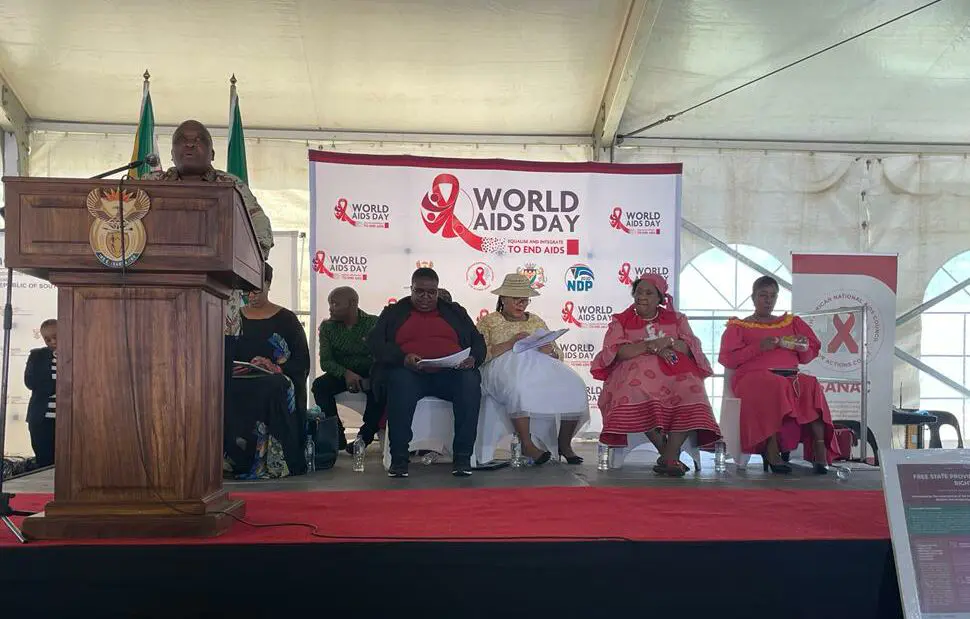
  • Some in Free State only given ARVs for two weeks at a time

    While the Free State health department is denying that clinics in the province are experiencing stockouts of antiretroviral medicines, some healthcare users and HIV activists working in communities claim otherwise. The department does however acknowledge that some people are given only a two-week supply at a time. Refilwe Mochoari reports.

    ·