
COVID-19: The Pros and Cons of high-speed science

COVID-19: The Pros and Cons of high-speed science

Interactive Data Dashboards

Track the HIV & TB response

Live indicators, province breakdowns and downloadable data.

  • COVID-19: The Pros and Cons of high-speed science

    Scientific research on COVID-19 has been published at an unprecedented scale and speed, but some fear that this is at the cost of scientific rigour. Adele Baleta explores the pros and cons of high-speed science.

    ·
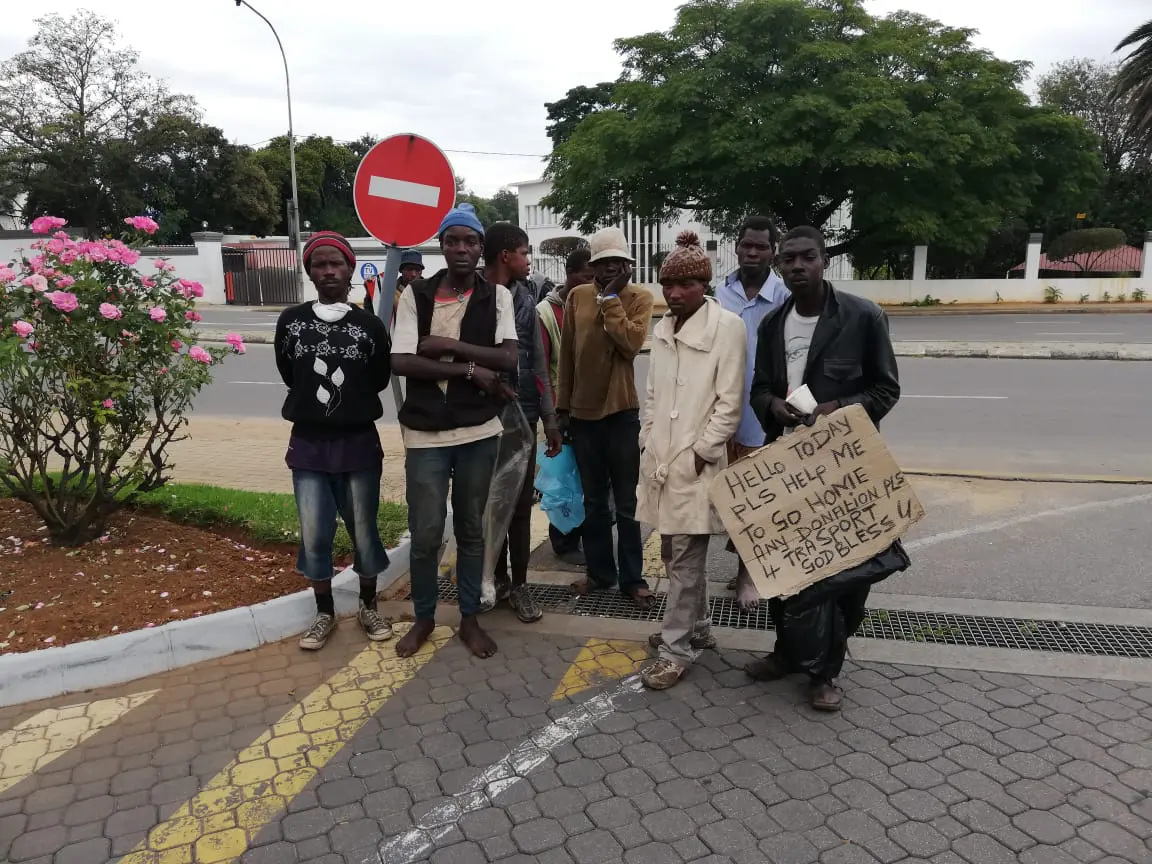
  • COVID-19: Some homeless people choose streets over shelters

    As most people in South Africa prepare for another week in their homes under South Africa’s national COVID-19 lockdown, Amy Green spoke to some of Johannesburg’s many homeless persons about why they choose life on the street over government shelters.

    ·

  • COVID-19: What the lockdown means for sexual and reproductive health services

    Access to reproductive healthcare services is almost always time sensitive and not something that can simply be placed on hold because of the COVID-19 lockdown. It remains as important as always to provide services that reinforce women’s rights to dignity, autonomy and to access healthcare services, including reproductive healthcare services, writes Thuthukile Mbatha and Tendai…

    ·

  • COVID-19: Concerns mount over plans to protect prisoners

    Despite measures implemented by the Department of Justice and Correctional Services to protect inmates since the start of the COVID-19 outbreak, there are concerns among some civil society organisations and legal experts about the adequacy of these measures, writes Elri Voigt.

    ·

  • COVID-19: All you need to know about the flu

    Every year around 40 000 people are hospitalised with influenza in South Africa and around 11 000 die of the disease. Spotlight interviewed leading Professor in Vaccinology Shabir Madhi about the flu and its implications for the fight against COVID-19.

    ·

  • COVID-19: Why is SA not testing more?

    Government has rolled out an intensified screening and testing campaign in the hope of finding more COVID-19 cases during and after the lockdown period, but the disparity between the country’s testing capacity and the actual number of tests being conducted remains substantial.

    ·

  • COVID-19: The time for procrastination over patents is over

    Unless timely action is taken, South Africa could be faced with a new form of “pharmaceutical apartheid,” like that experienced in the early days of the AIDS response, writes Professor Yousuf Vawda & Professor Brook K. Baker.

    ·

  • COVID-19: Community Healthcare Workers are crucial to SA’s response

    The Department of Health has announced that it will rely on community healthcare workers to assist with tracking and tracing potential COVID-19 cases but has not provided assurances about how it will protect these workers during the process and beyond, writes Nontsikelelo Mpulo and Tendai Mafuma.

    ·

  • COVID-19: The kids are not all right

    Children experience anxiety and panic as acutely as adults do; only they might be better at hiding it. There is concern that the COVID-19 pandemic and national lock down will lead to an increase of physical and emotional abuse towards children and that the economic fallout of the pandemic will add a new dimension of…

    ·

  • COVID-19: Patent victories from HIV fight are now more relevant than ever

    Around the turn of the century developing countries fought for and won safeguards to promote access to medicines in international trade law. These safeguards are now being heralded by lawmakers around the world as critical legal mechanisms that nations can and must use in the fight against COVID-19, writes Catherine Tomlinson.

    ·

  • What’s it like | The fascinating world of Surrogacy in South Africa

    Reproductive freedom can include both the right to avoid procreation through means like abortion and the right to choose procreation through surrogacy and Assistive Reproductive Technology. Spotlight sat down with a mother who has been a surrogate on two occasions to discuss choice, the legalities and medical side of this process.

    ·