Provinces

Provinces

Interactive Data Dashboards

Track the HIV & TB response

Key indicators, province breakdowns and downloadable graphs.

  • Getting Gauteng’s HIV and TB response back on track

    From March to July this year, the Gauteng Department of Health recorded 57 848 TB tests – a decrease of about 30 000 tests compared to the same period last year. The province performed better with HIV testing, although the HIV response has faltered in other areas. Melissa Javan makes sense of the province’s numbers and speaks…

    ·

  • Fed-up community in rural Eastern Cape starts their own health facility

    Despite glaring poverty and the high unemployment rate plaguing the village of Ngquthu near Dutywa in the Amathole district in the Eastern Cape, villagers pulled together their resources to refurbish what was once a preschool into a community health facility. The community took their access to healthcare into their own hands after complaints over the…

    ·

  • When civil society can’t do its work, adherence to HIV treatment dips

    If South Africa is forced to go into a COVID-19 lockdown again, HIV support groups and adherence clubs should remain functional to make sure that everyone is supported, has regular access to information and treatment, and that people are motivated to adhere to treatment, argue Annah Maluleke and Solanga Milambo.

    ·

  • Women living with HIV, still waiting on redress after ‘forced sterilisations’

    Almost nine months since the Commission on Gender Equality (CGE) released a damning report with dozens of women living with HIV’s testimonies about forced sterilisations allegedly performed on them in public health facilities, the Department of Health has now moved to implement the Commission’s recommendations. Nomfundo Xolo reports.

    ·

  • Reimagining health in the Eastern Cape: A dysfunctional public health system is not inevitable

    The persistent challenges in public health in the Eastern Cape, highlight the critical role of leadership. Prof Helen Schneider argues if we are to reimagine a future of access, equity and justice in health and health care in the Eastern Cape, we need bottom-up institution-building involving civil society and not just top-down legislative, budgetary and…

    ·

  • When kids go hungry | Elsenburg’s women fill the food parcel ‘gap’

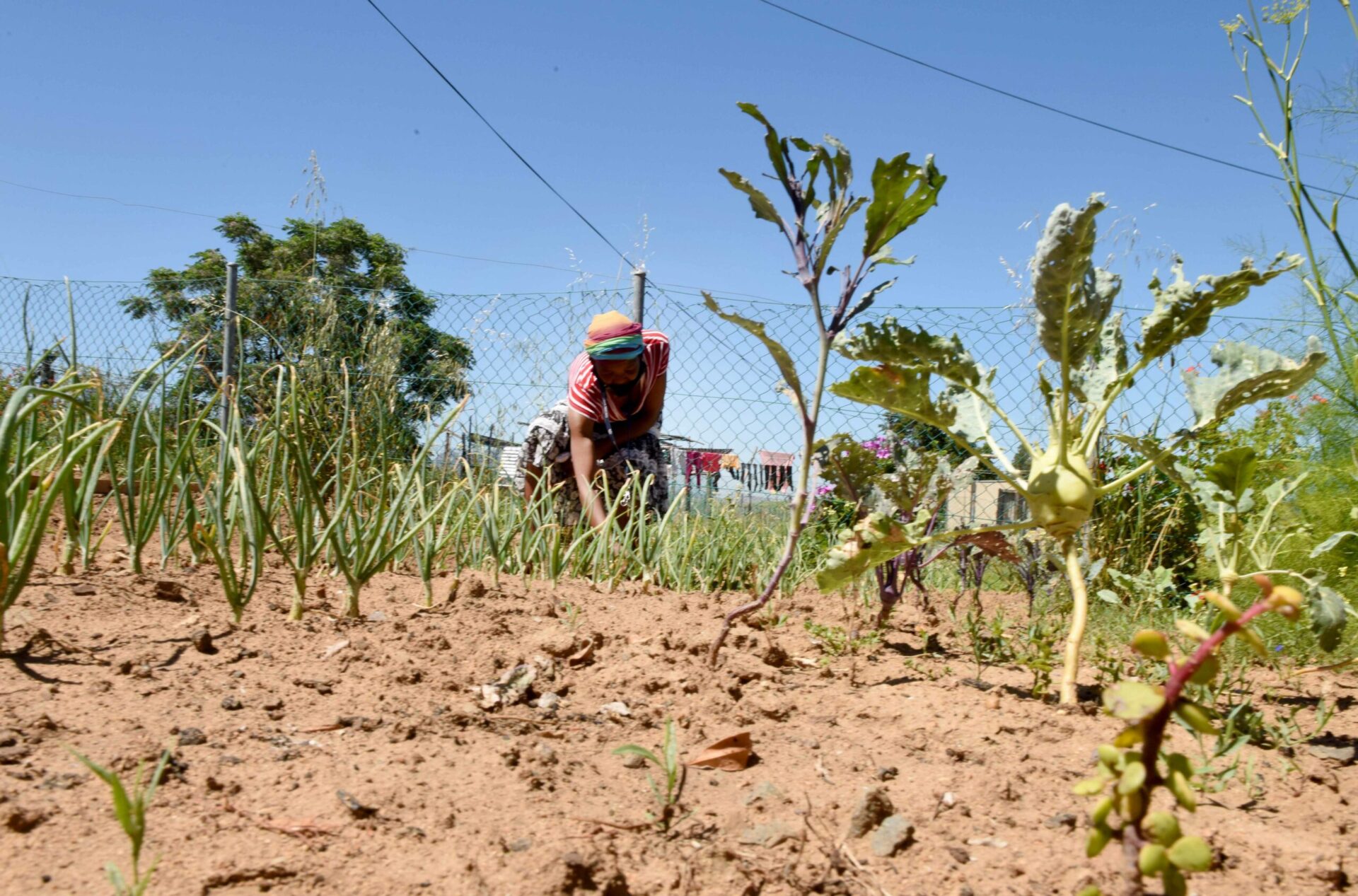
    After not receiving any government food parcels, one Western Cape farming community pulled together to provide their own COVID-19 relief. In the fifth article of a six-part series on child hunger, Kathryn Cleary spoke to a few women from Elsenburg who have distributed their own food parcels and started soup kitchens to feed hungry children…

    ·

  • When kids go hungry | What happens when school meals stop?

    For over 9 million learners across the country, school meals are a lifeline, but this came to a grinding halt during the hard COVID-19 lockdown period. As a result, many learners became dependent on soup kitchens and donations. In the fourth part of a six-part series on child hunger and nutrition, Kathryn Cleary speaks to…

    ·

  • Reimagining health in the Eastern Cape: Community Health Workers are key to improving health outcomes

    Community Health Workers (CHWs) are an important element in the government’s re-engineering of primary health care strategy. Here Melanie Alperstein and Tinashe Njanji highlight the challenges CHWs in the Eastern Cape face and offer some solutions to improve the working conditions of CHWs and improve health outcomes in the province.

    ·

  • When kids go hungry | Fighting for solutions in the ECD sector

    Early childhood development programmes have a huge role to play in the lives of young children, including in their nutrition. In the third part of a six-part series on child hunger, Kathryn Cleary investigates the effects of the COVID-19 pandemic and lockdown on these programmes, and how some organisations are fighting for solutions.

    ·