New ambulances for Northern Cape, but old problems remain

New ambulances for Northern Cape, but old problems remain

Interactive Data Dashboards

Track the HIV & TB response

Live indicators, province breakdowns and downloadable data.

  • New ambulances for Northern Cape, but old problems remain

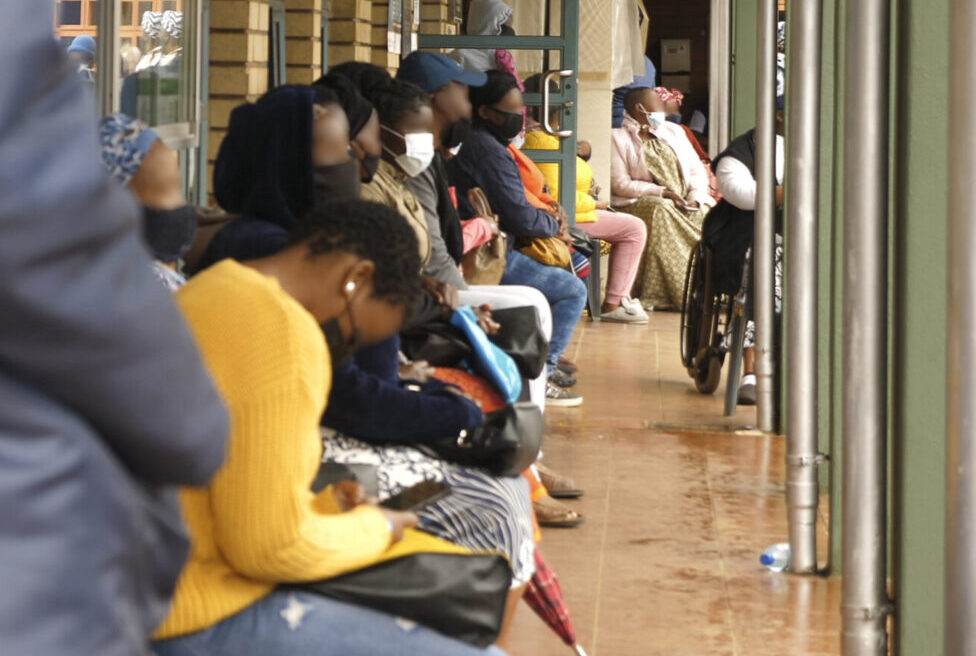
    Staff shortages, lack of equipment, and not having enough ambulances on the road are all challenges hampering response times and the quality of emergency medical services (EMS) in the Northern Cape. Refilwe Mochoari spoke to relevant stakeholders, including healthcare users and EMS staff about these perennial problems and what is needed to fix them.

    ·

  • North West: Long distances, medicines stockouts, and Mediosa busses gathering dust

    Hours waiting for emergency medical services, medicine shortages, high travel costs, and long walking distances to clinics. These are some of the issues rural communities in the North West face when trying to access healthcare services. Meanwhile, expensive mobile clinics purchased from the Gupta-linked Mediosa are gathering dust. Nthusang Lefafa spoke to community members in…

    ·

  • Risk to newborns increasing as antibiotics stop working

    The number of newborn babies dying from neonatal sepsis is rising as the antibiotics used to treat them are not working effectively, a landmark international study has found. Adele Baleta reports on the findings and their implications for newborns in South Africa.

    ·

  • COVID-19 has been hard on kids, more support is needed

    A rise in teenage pregnancies and gender-based violence coupled with the loss and uncertainty related to COVID-19 are all stressors fuelling the mental health burden the pandemic will leave on children, especially girls. If not adequately addressed, argues Kholofelo Mphahlele, the mental health consequences for a generation of children and young people could far surpass…

    ·

  • Healthcare security challenges in the Western Cape

    When healthcare workers or patients walk into healthcare facilities, the last thing on their minds should be whether they might be robbed or assaulted. Unfortunately, the safety of healthcare workers and patients has been compromised in some areas. Tiyese Jeranji reports on safety and security at health facilities and in communities where emergency medical services…

    ·

  • A year after the fire, little progress at Charlotte Maxeke Hospital

    One year after the fire at Charlotte Maxeke Academic Hospital in Johannesburg there’s damning evidence of missteps and delays in maintaining health and safety standards, sabotage and incompetence in managing the rebuild, and dire knock-on effects for the province’s healthcare system. Ufrieda Ho reports

    ·

  • An interdict on teen vaccination will harm basic education and violate the rights of learners

    The African Christian Democratic Party and partners are in the High Court today and tomorrow seeking to stop the rollout of COVID-19 vaccines to adolescents. But in a context where the majority of learners attend schools with infrastructure problems and serious overcrowding, vaccines remain a critical tool to keep learners safe and prevent outbreaks of…

    ·

  • What Eastern Cape youth say about preventing HIV and unwanted pregnancies

    During her recent budget speech Eastern Cape Health MEC Nkhosazana Meth expressed concern over the number of teenage pregnancies in the province. Health activists are calling for a comprehensive plan to address this, while adolescents interviewed by Spotlight say they need more education on sex and HIV prevention methods. Luvuyo Mehlwana reports.

    ·

  • Critical medicine priced out of reach for people with cryptococcal meningitis

    Cryptococcal meningitis is the second top killer of people living with HIV in South Africa. In the second of a two-part series on access to treatment for the condition, Catherine Tomlinson puts the Spotlight on the drug liposomal amphotericin B (part one looked at flucytosine).

    ·

  • District hospitals will be key to NHI, empower them

    The successful implementation of National Health Insurance (NHI) will rely heavily on effective governance at district level. The NHI Bill correctly identifies district hospitals as key during the early transitional NHI phases. Failing to capacitate them for the challenges ahead could prove disastrous, argues Russell Rensburg and Claire Botha.

    ·