How tissue donations in KZN are helping to boost our understanding of TB

How tissue donations in KZN are helping to boost our understanding of TB

Interactive Data Dashboards

Track the HIV & TB response

Live indicators, province breakdowns and downloadable data.

  • How tissue donations in KZN are helping to boost our understanding of TB

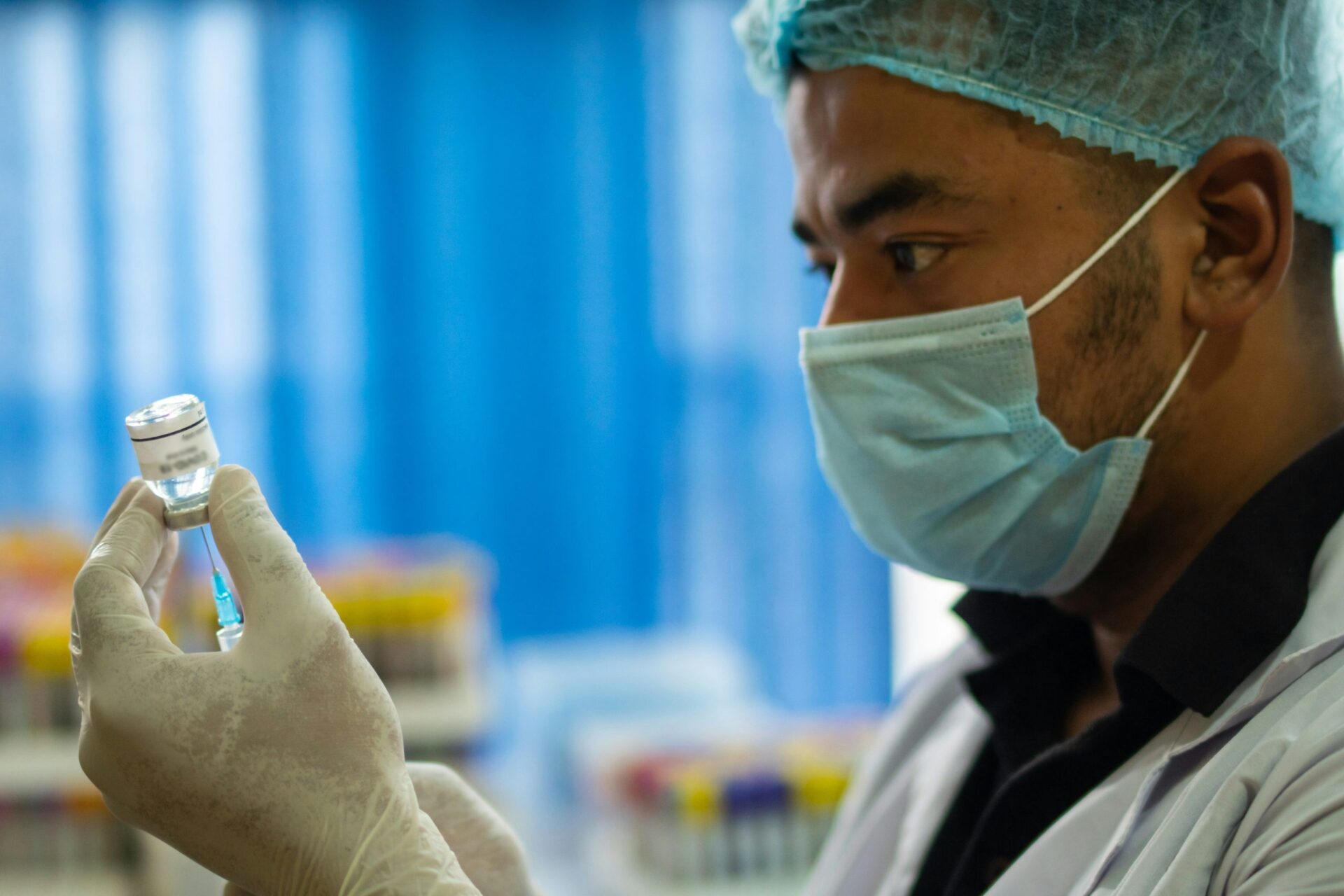
    Some patients at KwaZulu-Natal hospitals are donating lung tissue for use in TB research. Sue Segar tracks what happens to these tissue samples and explores why these samples are so important to unlocking the mysteries of what the TB bacterium does inside the human body.

    ·

  • 56 000 TB deaths in SA in 2023, according to WHO

    An estimated 56 000 people in South Africa and 1.25 million around the world died of TB in 2023, according to just-published figures from the WHO. This means that in 2023 TB overtook COVID-19 as the top infectious disease killer on the planet. Marcus Low unpacks the new numbers.

    ·

  • Why including pregnant women in a TB study in SA was a big deal

    Pregnant women are typically excluded from clinical trials of new TB medicines. This has led to a lack of solid scientific evidence on how best to treat women who fall ill with TB while they are expecting. Tiyese Jeranji asked local TB experts about the problem and puts the spotlight on a recent study that…

    ·

  • NHI offers an opportunity to boost primary healthcare – we must seize it

    To see National Health Insurance primarily as the setting up of a state-run medical aid scheme risks underplaying its massive potential to restructure how public healthcare services are organised and funded, and with that, its potential to boost the delivery of primary healthcare services in South Africa, argues Russell Rensburg.

    ·

  • Highrises, hellholes and healthcare – Hillbrow’s heritage story

    Hillbrow started out as Johannesburg’s first health hub in the late 1880s. It’s also been a suburb associated with pimps and prostitution, a middle finger to the Nationalist Party, and a key site of the HIV crisis. Today, it’s the forgotten flatlands of inner city decay … but in small pockets it stays true to…

    ·

  • Efficacy of 6-monthly HIV prevention jab confirmed in second major study

    In June, we heard what could be this year’s biggest HIV breakthrough: a twice-yearly injection can prevent HIV infection. Findings from a second large study of the jab has now confirmed that it works. Elri Voigt goes over the new findings and unpacks the licenses that are expected to facilitate the availability of generic versions…

    ·

  • Nelson Mandela Bay clinics under siege as crime threatens healthcare

    A series of robberies at healthcare facilities in the Eastern Cape has disrupted services, with patients sometimes left waiting outside while clinics limit the number of people allowed in. This follows the provincial health department spending over R700 million on security contracts in the past financial year, reports Luvuyo Mehlwana.

    ·

  • How will NHI unfold? Here are three possible scenarios

    As health department officials move to set up National Health Insurance’s basic structures, including its board, several experts say the scheme remains a pipe-dream, doomed to the same fate as Gauteng’s aborted e-tolls project. In this Spotlight special briefing, Jesse Copelyn outlines three possible scenarios for how NHI might pan out over the coming years.

    ·

  • Why people stop taking their HIV treatment and what we can do about it

    Stopping antiretroviral treatment when you are living with HIV can result in increased HIV transmission, illness, hospitalisation, and eventually death. To combat such disengagement with HIV treatment, Professor Graeme Meintjes and colleagues argue we need smarter differentiated care and better education of healthcare workers, people living with HIV, and communities.

    ·